



Is Portugal Safe for American Travelers?
Is Portugal safe for Americans? What the State Department and Global Peace Index say, the real risks (pickpockets, sea, heat) and simple precautions.
November 26, 2026 • 6 min read
Is Portugal Safe for American Travelers?
Portugal Safety at a Glance
What Do the Official Numbers Say?
The State Department's country page for Portugal opens with "exercise normal precautions", the lowest of its four advisory levels. In June 2026 the Global Peace Index, compiled by the Institute for Economics and Peace, kept Portugal in 7th place worldwide, behind Iceland, New Zealand, Switzerland, Slovenia, Ireland and Austria.
Portugal's own annual internal security report (RASI) for 2025 recorded a 3.1% rise in overall reported crime and a 1.6% fall in violent and serious crime. Most reported crime is property crime, and violent incidents involving tourists are uncommon. In practice, you can walk central Lisbon or Porto in the evening with the same care you would use in Boston or Chicago.
Where Should You Watch for Pickpockets?
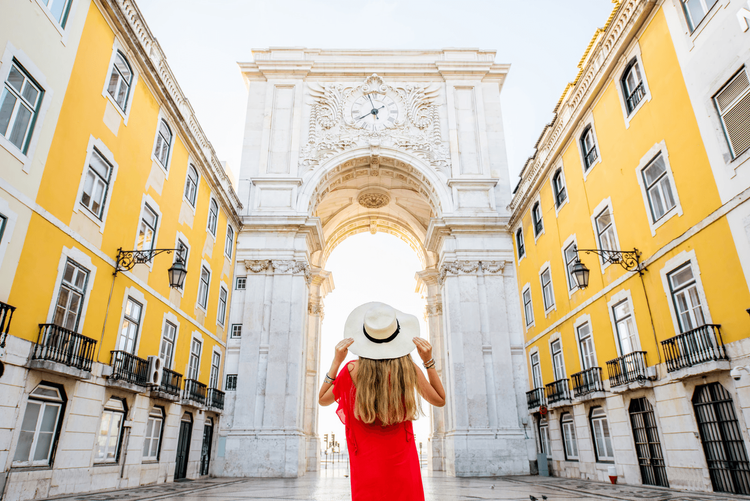
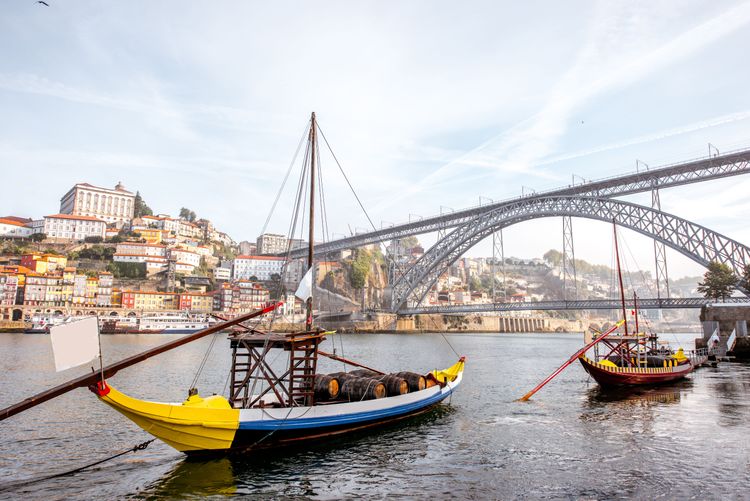
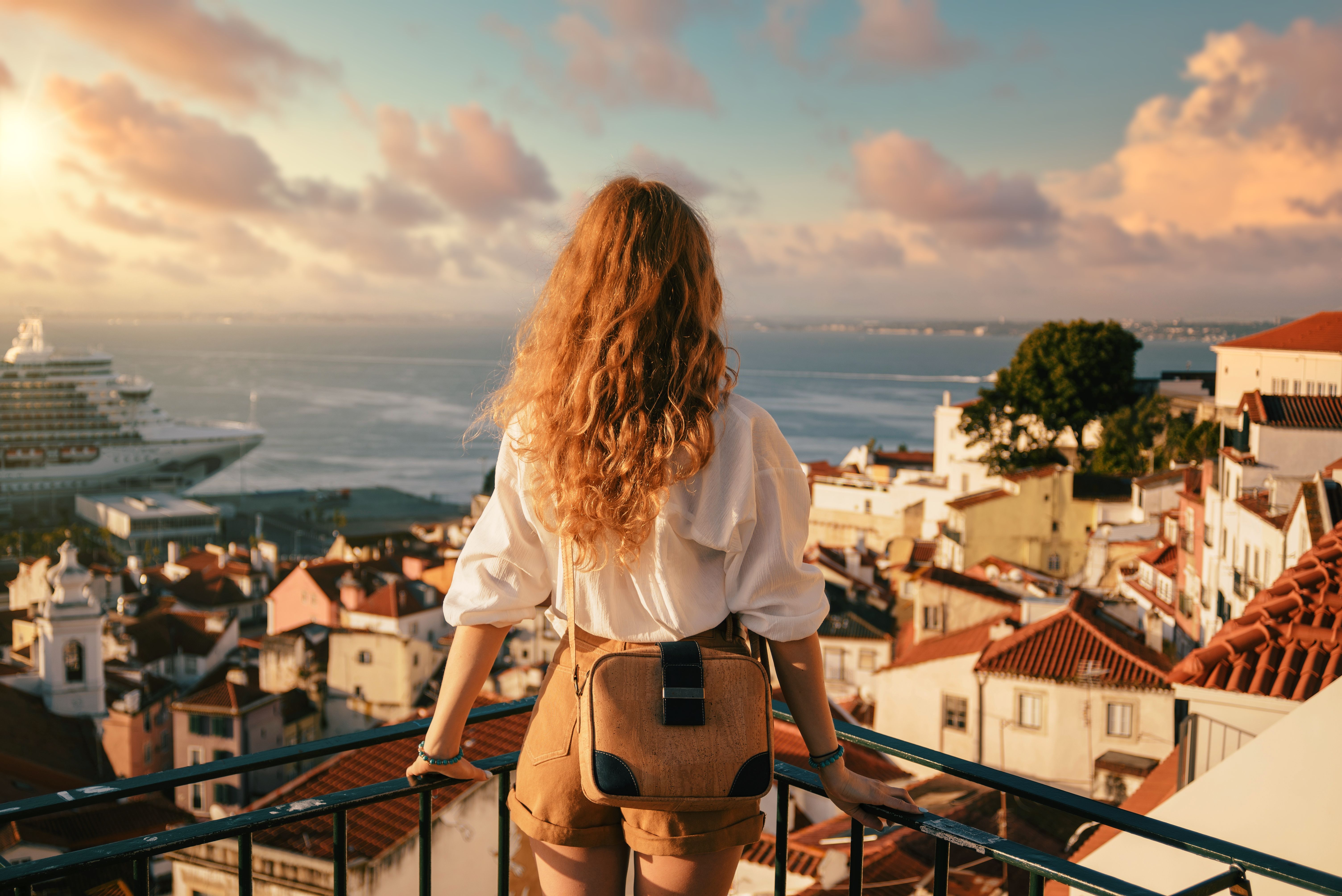
The State Department names pickpocketing and purse snatching at tourist sites, restaurants and on public transport as common, and singles out Tram 28 in Lisbon. Thieves work the crowded doors of the tram, the queues at the Santa Justa elevator, the Baixa shopping streets and the viewpoints in Alfama. In Porto, the Ribeira riverfront and São Bento station see the same pattern.
- Carry your phone and wallet in a front pocket or a zipped cross-body bag.
- Keep your passport in the hotel safe and carry a photo of it.
- On trams and metros, move away from the doors once you board.
- At café tables outside, keep your phone off the table edge.
- Use licensed taxis or ride-hailing apps rather than drivers who approach you.
Is Portugal Safe at Night?
Central Lisbon and Porto stay busy into the evening, especially in summer, and restaurants fill after 8 pm. Bairro Alto and Cais do Sodré in Lisbon are nightlife districts where street drug sellers sometimes approach visitors; ignore them and keep walking. Stick to lit streets, and take a taxi or ride-hailing car back to your hotel late at night if it is uphill or far.
What Are the Natural Risks?
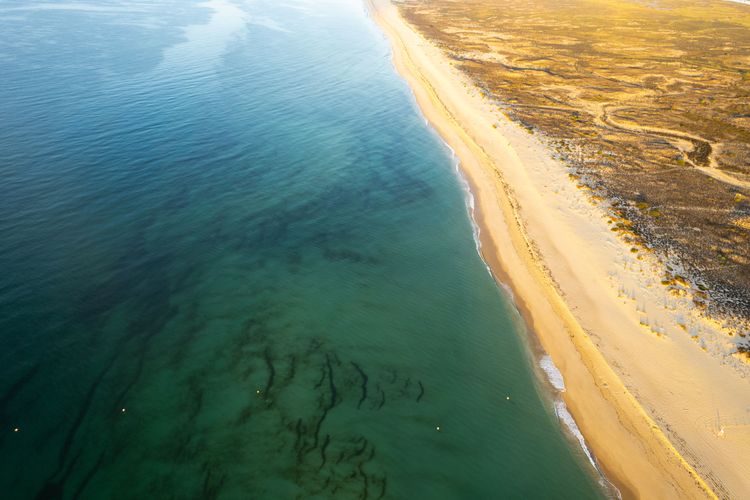
The ocean causes more serious incidents than crime. Atlantic beaches on the west coast have strong waves and rip currents, even on sunny days. Swim at beaches with lifeguards and follow the flags: green means swimming is allowed, yellow means you can go in but not swim, red means stay out of the water, and a checkered flag means no lifeguard is on duty.
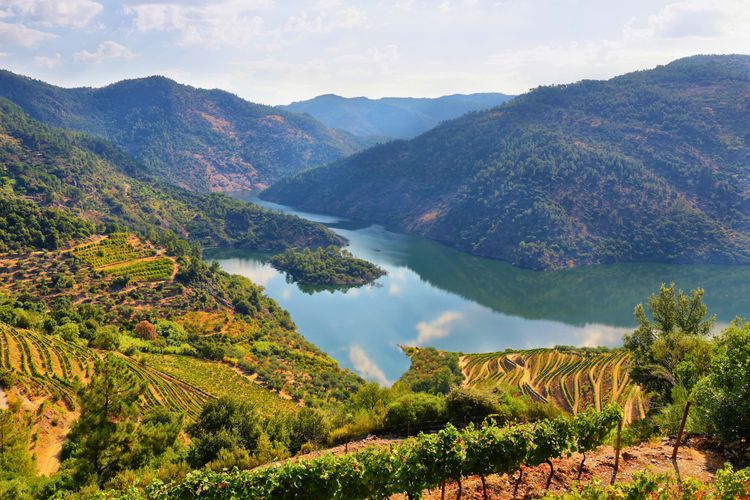
In July and August, inland areas such as the Alentejo and the Douro Valley can pass 40 °C. Plan outdoor sightseeing for the morning, carry water, and use the afternoon for museums or a siesta. Summer is also wildfire season in the interior. Fires rarely affect the main tourist cities, but if you are driving rural roads, check local warnings and follow any road closures.
What Do You Need to Know About Entry Rules?
US citizens can visit Portugal and the rest of the Schengen area without a visa for up to 90 days in any 180-day period. Your passport should be valid for at least three months beyond your planned departure. Since October 2025, the EU's Entry/Exit System (EES) records fingerprints and a photo the first time you enter, so allow extra time at passport control. The separate ETIAS travel authorization was still not in operation in November 2026; check the official EU site before you book.
What Should You Do If Something Goes Wrong?
Dial 112 for police, ambulance or fire, and ask for English if you need it. To report a theft for an insurance claim, go to the nearest PSP police station and ask for a written report. If your passport is lost or stolen, contact the US Embassy in Lisbon. Pharmacies, marked with a green cross, can help with minor health problems, and travel insurance with medical cover is worth having, since Medicare does not cover care abroad.
Who Feels Most at Ease in Portugal?
A good fit if:
- You are traveling as a couple, solo or with grandchildren and want a relaxed, low-risk destination
- You are comfortable with big-city habits such as watching your bag
- You prefer walking cities where English is widely spoken in hotels and restaurants
Maybe not if:
- You want to swim off any beach without checking flags and currents
- You are sensitive to heat and can only travel in July or August