Is Portugal Worth Visiting? 12 Reasons
Is Portugal worth visiting? 12 reasons backed by data: safety, English, value, short distances, UNESCO sites, beaches, wine, islands and winter sun.
January 6, 2026 • 6 min read
Is Portugal Worth Visiting? 12 Reasons
Portugal in Numbers
12 Reasons to Visit Portugal
1. It Is One of the Safest Countries in the World
Portugal ranked 7th of 163 countries in the 2025 Global Peace Index. The main thing to watch for is pickpocketing in crowded places, such as Lisbon's Tram 28.
2. English Is Widely Spoken
Portugal ranks 6th in the world in the EF English Proficiency Index 2025, in the very high proficiency band. In hotels, restaurants and shops, you can usually get by in English, although a simple obrigado (thank you) always goes down well.
3. Good Value for Western Europe
Eating out and hotels cost less in Portugal than in most of Western Europe. In Eurostat's price levels for restaurants and hotels, Portugal scores 73.6 against an EU average of 100, and Spain 85.4. Lisbon and the Algarve in summer are the most expensive, while smaller towns and the low season offer the best value.
4. Easy to Reach from the US and Canada
Lisbon has nonstop flights from about ten US airports, including New York, Boston, Washington, Chicago, Miami and the West Coast, and from Toronto and Montreal. The flight from the East Coast takes around seven to eight hours. US and Canadian citizens can visit without a visa for up to 90 days in any 180-day period.
5. Short Distances, Lots of Variety
Portugal covers 92,090 km², about a fifth of the size of Spain. The train from Lisbon to Porto takes about three hours, and the Algarve is a few hours south of Lisbon. In a week or ten days, you can combine a capital city, a river valley of vineyards and a beach coast without long transfers.
6. 17 UNESCO World Heritage Sites
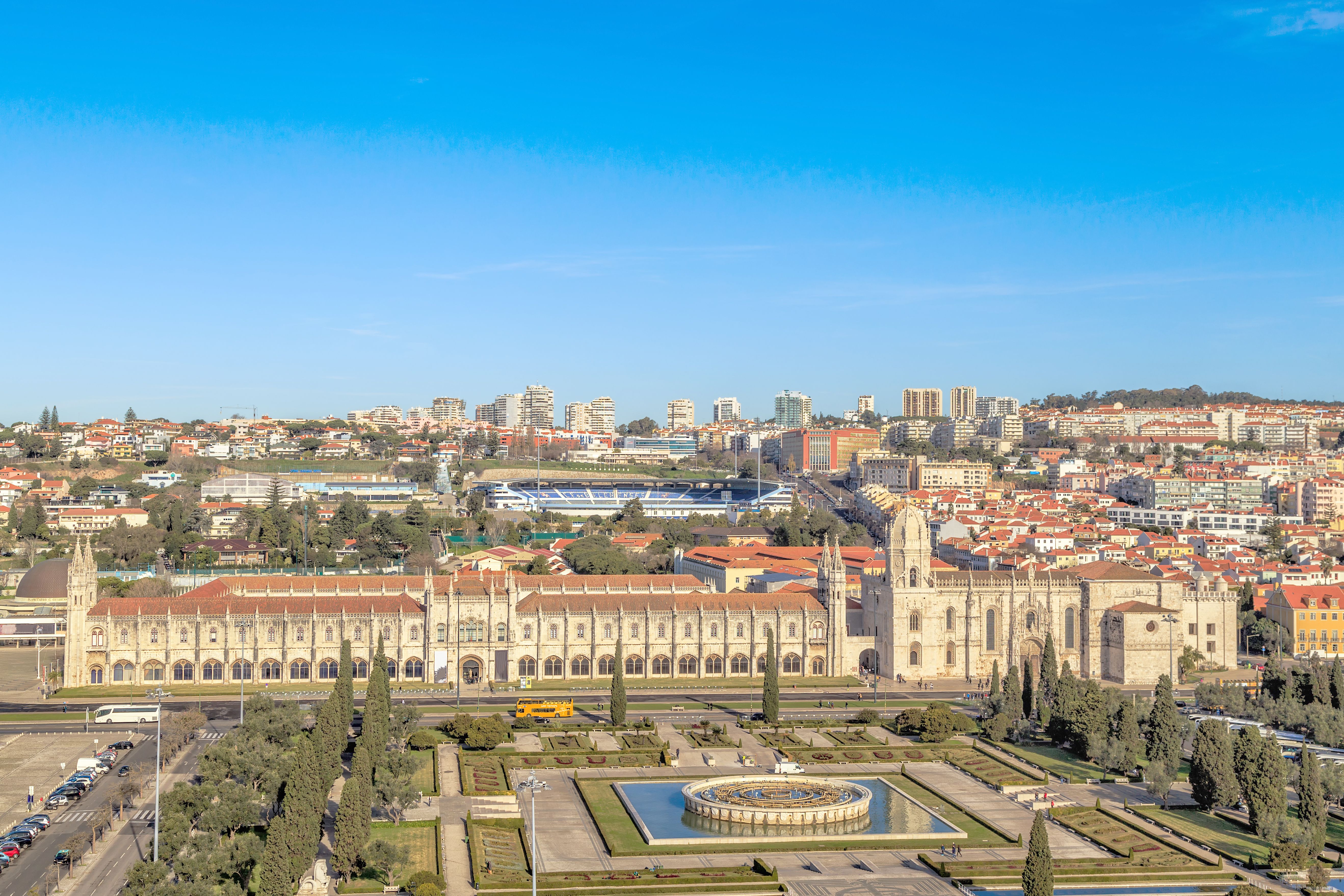
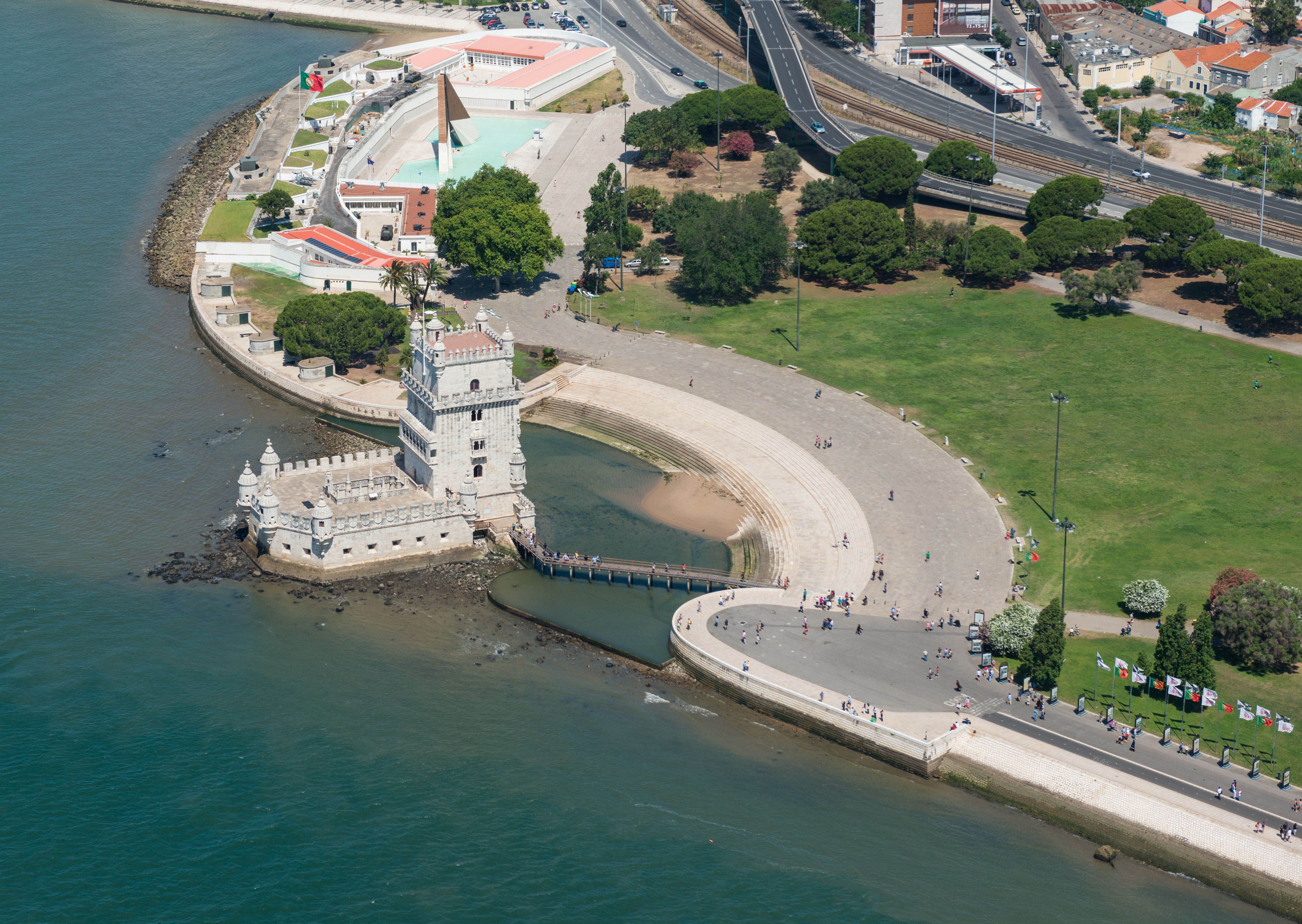
Portugal has 17 UNESCO World Heritage Sites, from the Jerónimos Monastery and Belém Tower in Lisbon to the palaces of Sintra, the historic center of Porto, the University of Coimbra and the monasteries of Alcobaça and Batalha. Fado, the soulful song of Lisbon, has been on UNESCO's list of Intangible Cultural Heritage since 2011.
7. Mild Weather, Even in Winter
Portugal is one of the mildest places in Europe in winter. Lisbon has an average high of 17.6°C (64°F) in November, and Faro, in the Algarve, averages 16.3°C (61°F) in January. Summers are hot and dry, especially in the south, while the Atlantic keeps the coast fresher than inland Europe.
8. Hundreds of Beaches
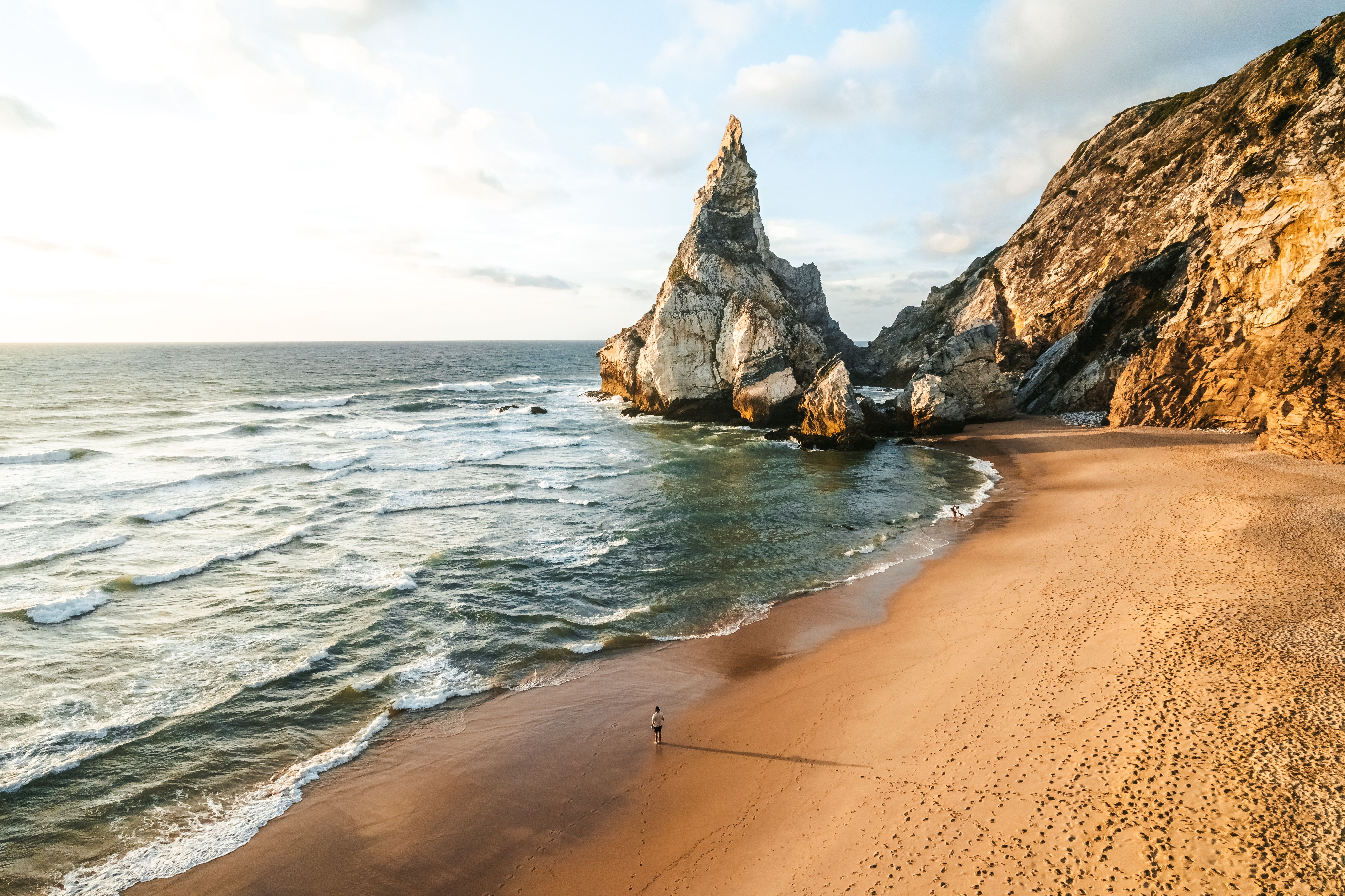
Portugal has 396 Blue Flag beaches in 2026, an award for water quality, safety and services. The Algarve is known for golden cliffs and sheltered coves, while the west coast has long Atlantic beaches, and there are river beaches inland too.
9. Food Built Around Fresh Fish
Portuguese food is simple and generous: grilled sardines and fresh fish on the coast, bacalhau (salt cod), roast suckling pig in the center and the famous pastéis de nata, custard tarts. Many restaurants offer a prato do dia, a good-value dish of the day, at lunch.
10. Port and Douro Wines
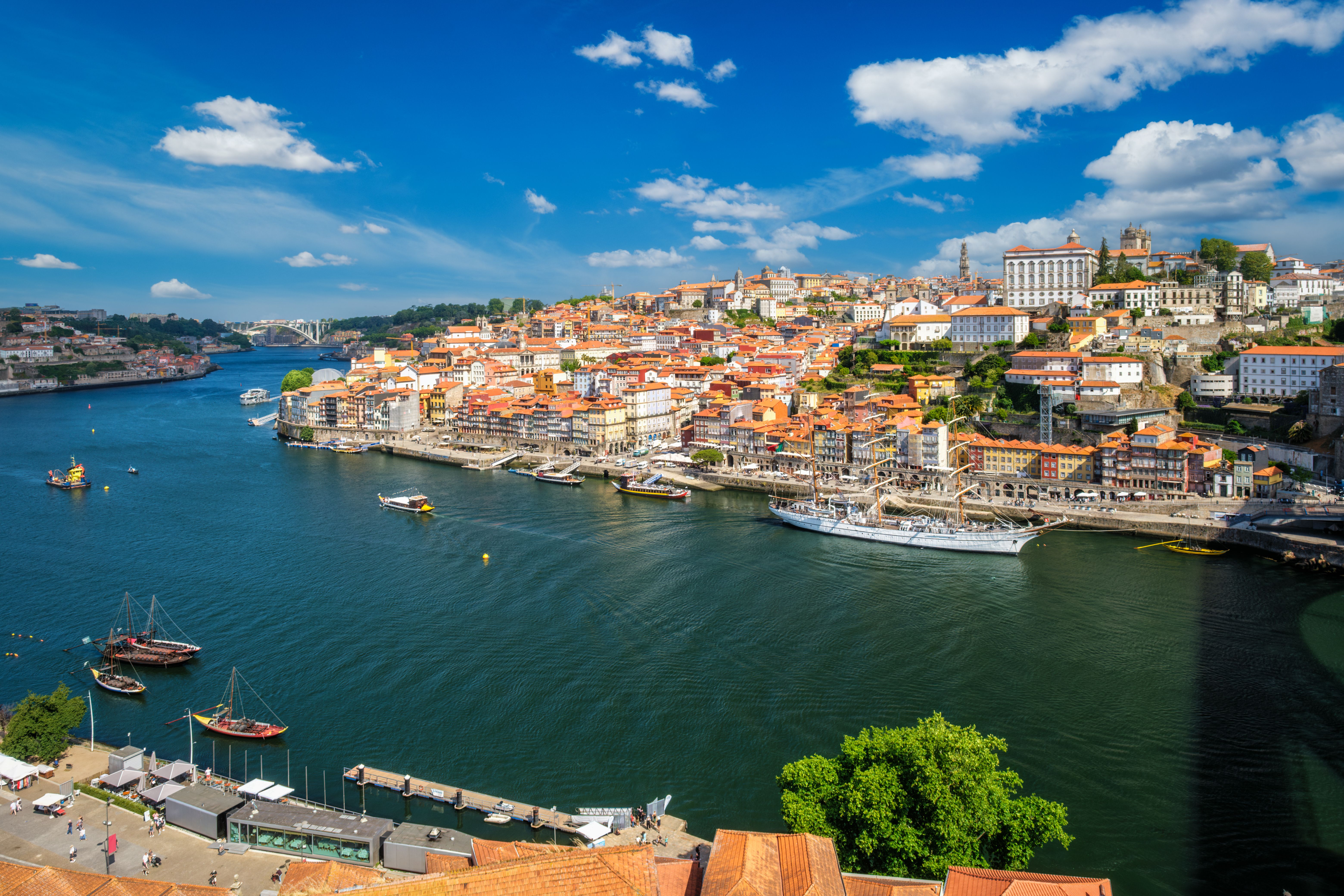
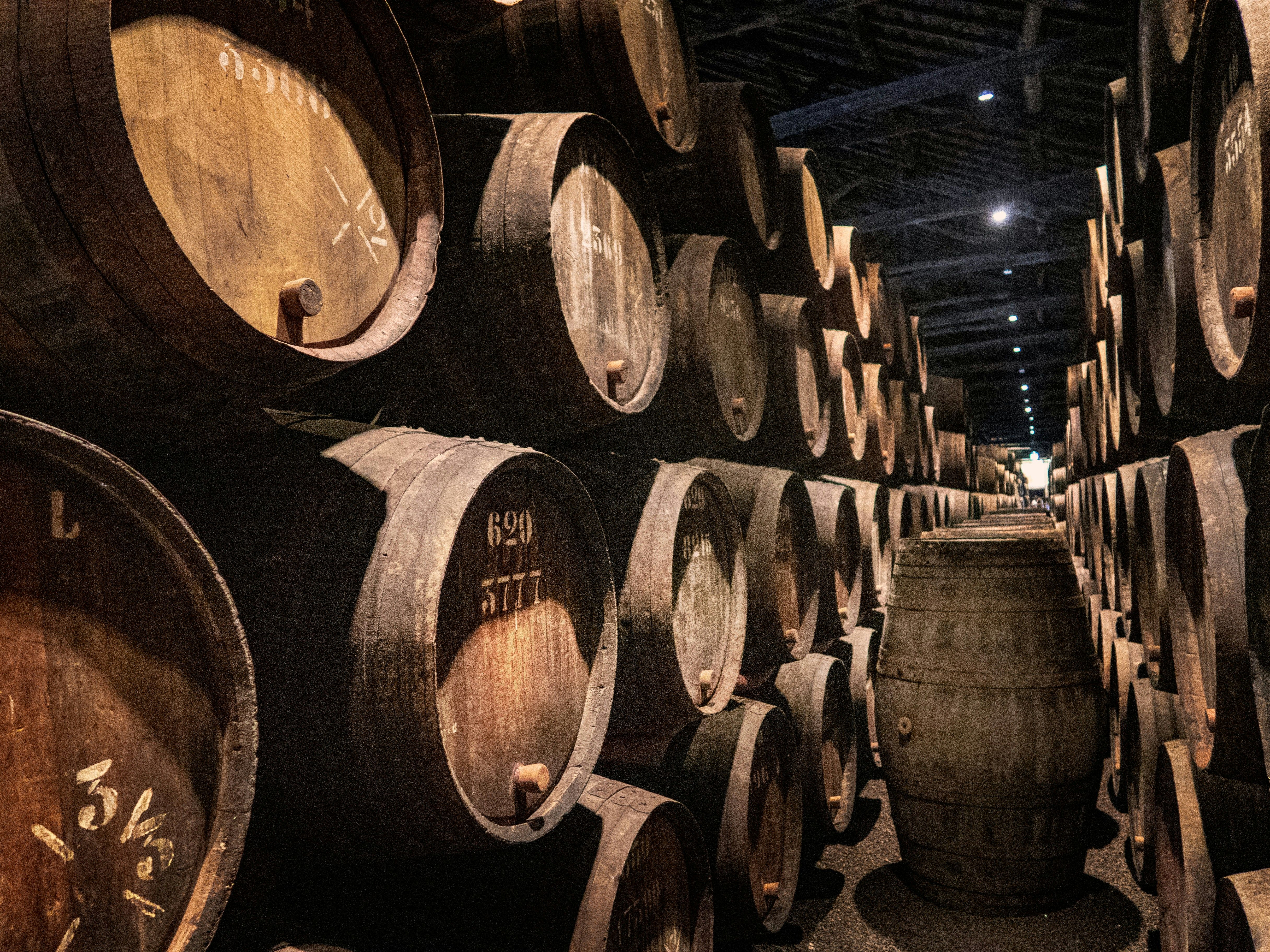
The Alto Douro became the world's first formally demarcated wine region in 1756, and its terraced vineyards have been a UNESCO World Heritage Site since 2001. You can taste port in the cellars of Vila Nova de Gaia, across the river from Porto, then visit the quintas of the Douro Valley by car, train or river boat.
11. Islands in the Atlantic
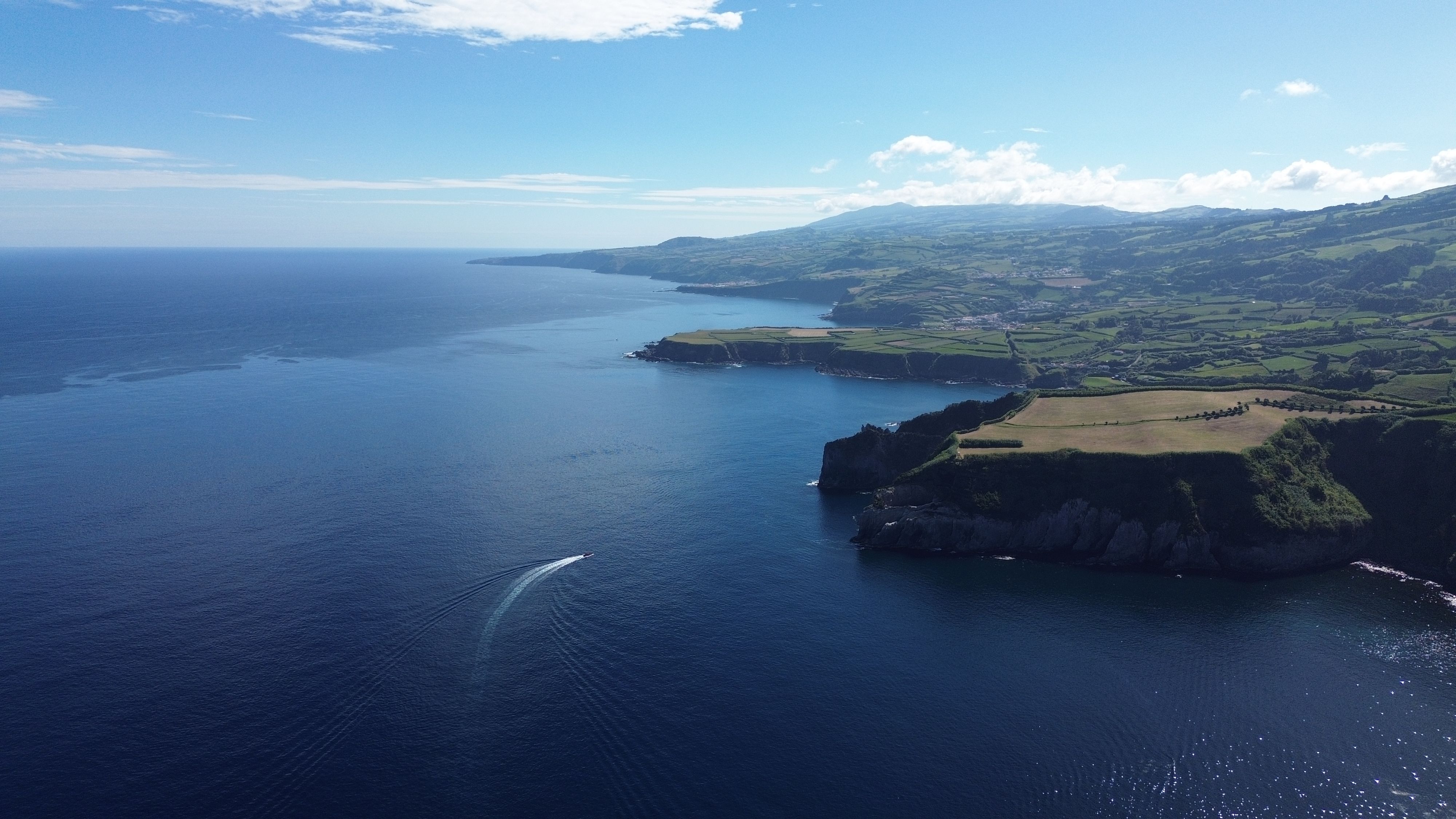
Portugal includes two island groups. Madeira, known for its levada walks, cliffs and mild weather all year, was named World's Leading Island Destination at the World Travel Awards for the eleventh time in a row in 2025. The Azores, in the middle of the Atlantic, are known for volcanic lakes, hot springs and whale watching.
12. Surf and the World's Biggest Waves
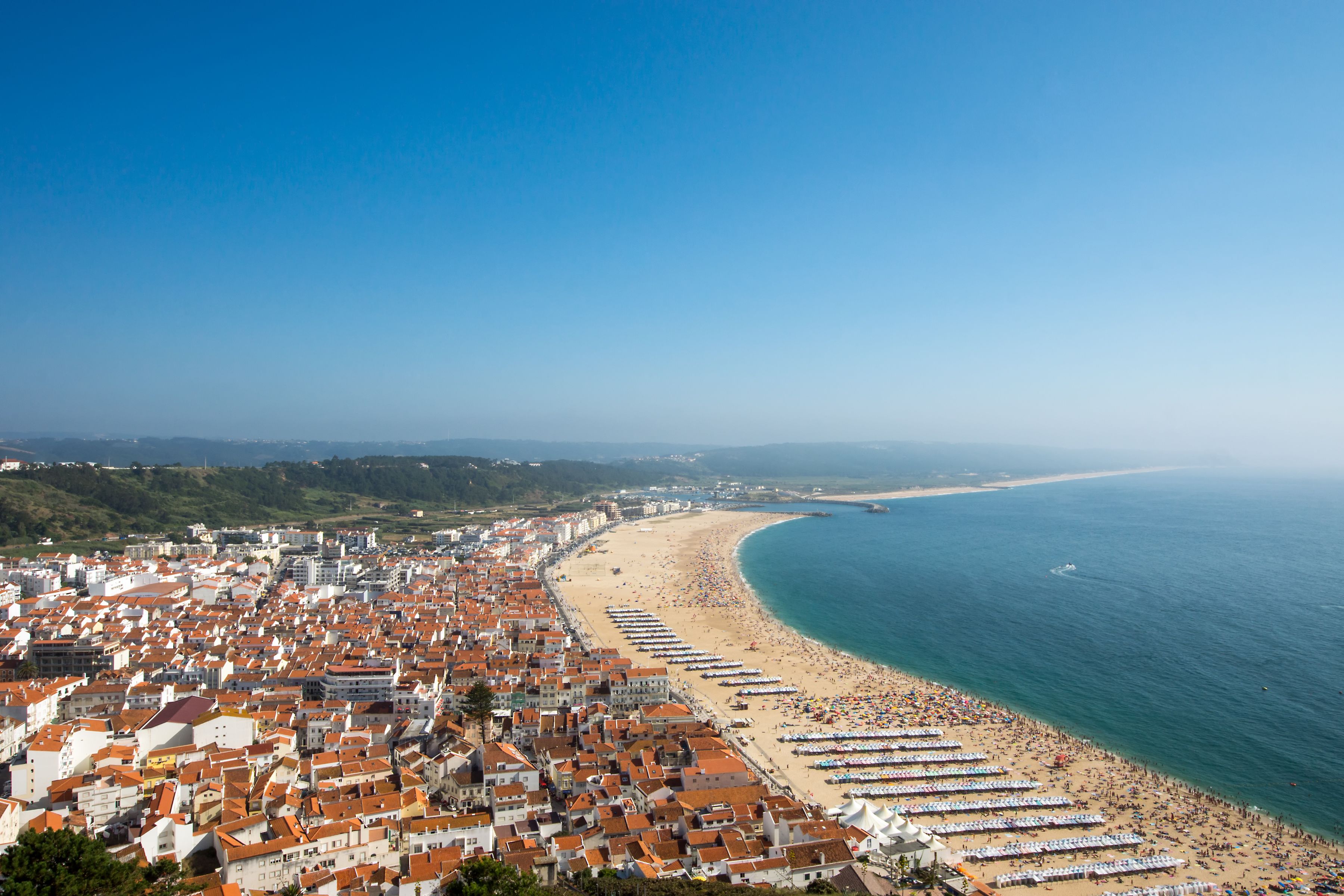
Portugal's Atlantic coast is one of Europe's best surf destinations. Ericeira, near Lisbon, became Europe's first World Surfing Reserve in 2011, and in October 2020 Sebastian Steudtner rode a 26.21-meter (86-foot) wave at Nazaré, a Guinness World Record. Beginners can learn in the Algarve and on the coast near Lisbon.
The Downsides to Know Before You Go
No destination suits everyone, so here is what some visitors find harder:
- Hills and cobblestones. Lisbon and Porto are steep, and the polished stone pavements can be slippery. Bring comfortable shoes with good grip.
- Summer crowds. Lisbon's historic center and the Algarve are busy in July and August, and prices are highest then.
- A cool Atlantic. The sea is fresher than the Mediterranean, even in summer, especially on the west coast.
- Winter rain. Lisbon averages about nine rainy days a month in November and December, so pack a rain jacket for a winter trip.
- Lisbon's historic elevators. Santa Justa and the Glória, Bica and Lavra funiculars have been closed since September 2025.
Where to Start
For a first trip, most visitors combine Lisbon with Porto or the Algarve. With a week, choose two bases. With ten days or more, add the Douro Valley, Sintra or Madeira.