Porto Architecture: Buildings & Styles
Porto architecture explained: the Romanesque cathedral, Nasoni's Baroque, azulejo facades, Beaux-Arts Aliados and modern works by Siza and Koolhaas.
February 6, 2023 • 7 min read
Porto Architecture: Buildings & Styles
Porto Architecture at a Glance
The historic center, together with the Dom Luís I Bridge and the Monastery of Serra do Pilar, has been a UNESCO World Heritage Site since 1996.
Medieval Porto
Porto Cathedral
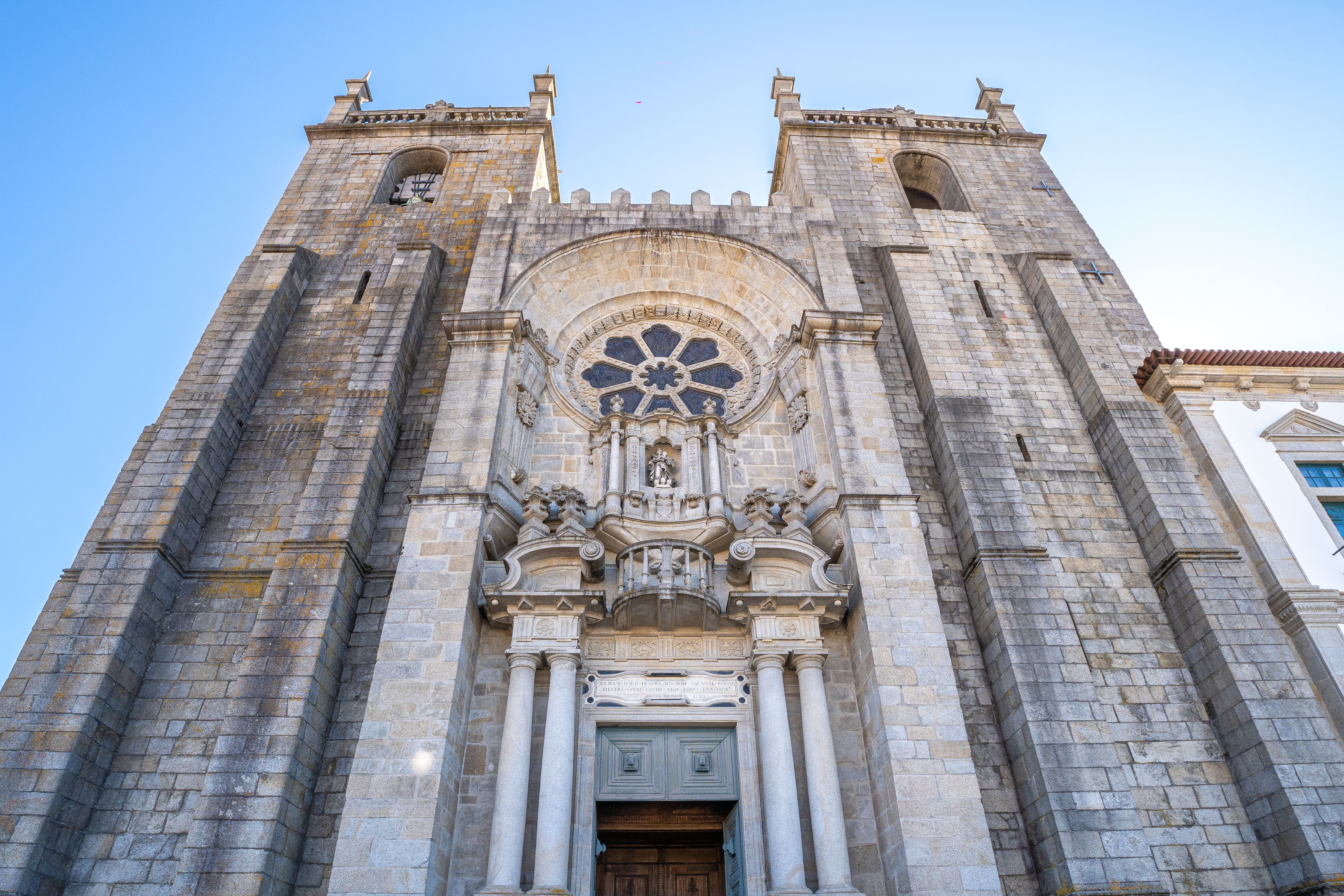
The Sé, on the hill where the city began, is Porto's oldest major building. Construction began in the 12th century, and the fortress-like Romanesque front, with two square towers and a rose window, still dominates the skyline. The building was remodeled over the centuries: its 14th-century Gothic cloister was later covered in blue and white azulejos, and Nicolau Nasoni added the Baroque loggia on the side in 1736. The church is free to enter, and the cloister has a ticket.
São Francisco Church
From the outside, São Francisco looks like the plain Gothic church it was when it was built, between 1383 and about 1425. Inside, almost every surface is covered in Baroque gilded woodwork, or talha dourada, mostly from the first half of the 18th century, with nearly 100 kg of gold leaf. Look for the Tree of Jesse, carved between 1718 and 1721, and the Manueline Chapel of St John the Baptist.

Baroque Porto and Nicolau Nasoni
No architect left a bigger mark on 18th-century Porto than Nicolau Nasoni, an Italian who settled in the city. His best-known work is Clérigos Tower, completed in 1763. At 75 meters, it was once the tallest building in Portugal, and the climb to the top gives a 360-degree view of the old town. Nasoni also designed the Clérigos Church below it, the cathedral loggia and is believed to have drawn the plans for the Bishop's Palace next to the cathedral.
Late Baroque and Rococo continued with his followers. The Igreja do Carmo, built between 1756 and 1768, was designed by José de Figueiredo Seixas, a disciple of Nasoni.

Azulejos: Porto's Tiled Facades
Many of the tiles that make Porto so photogenic are more recent than they look, added in the early 20th century to older buildings:
19th and Early 20th Century Porto
Palácio da Bolsa
The Stock Exchange Palace was built by the city's Commercial Association, which laid the first stone in 1842, and its interiors took decades to finish, until around 1909. The highlight is the Arab Room, covered in carved and gilded stucco inspired by the Alhambra in Granada, along with the glass-roofed Hall of Nations. Most of the building can only be seen on a guided tour of 30 to 40 minutes, so book ahead in summer.

Dom Luís I Bridge
Opened in 1886 and designed by Théophile Seyrig, a former partner of Gustave Eiffel, the double-deck iron arch is the symbol of the city and part of the UNESCO site.

São Bento Station
Designed by José Marques da Silva and opened in 1916 on the site of a Benedictine convent, São Bento is famous for its entrance hall lined with Jorge Colaço's tiles, showing battles, royal events and scenes of rural life, including the Douro harvest.

Avenida dos Aliados
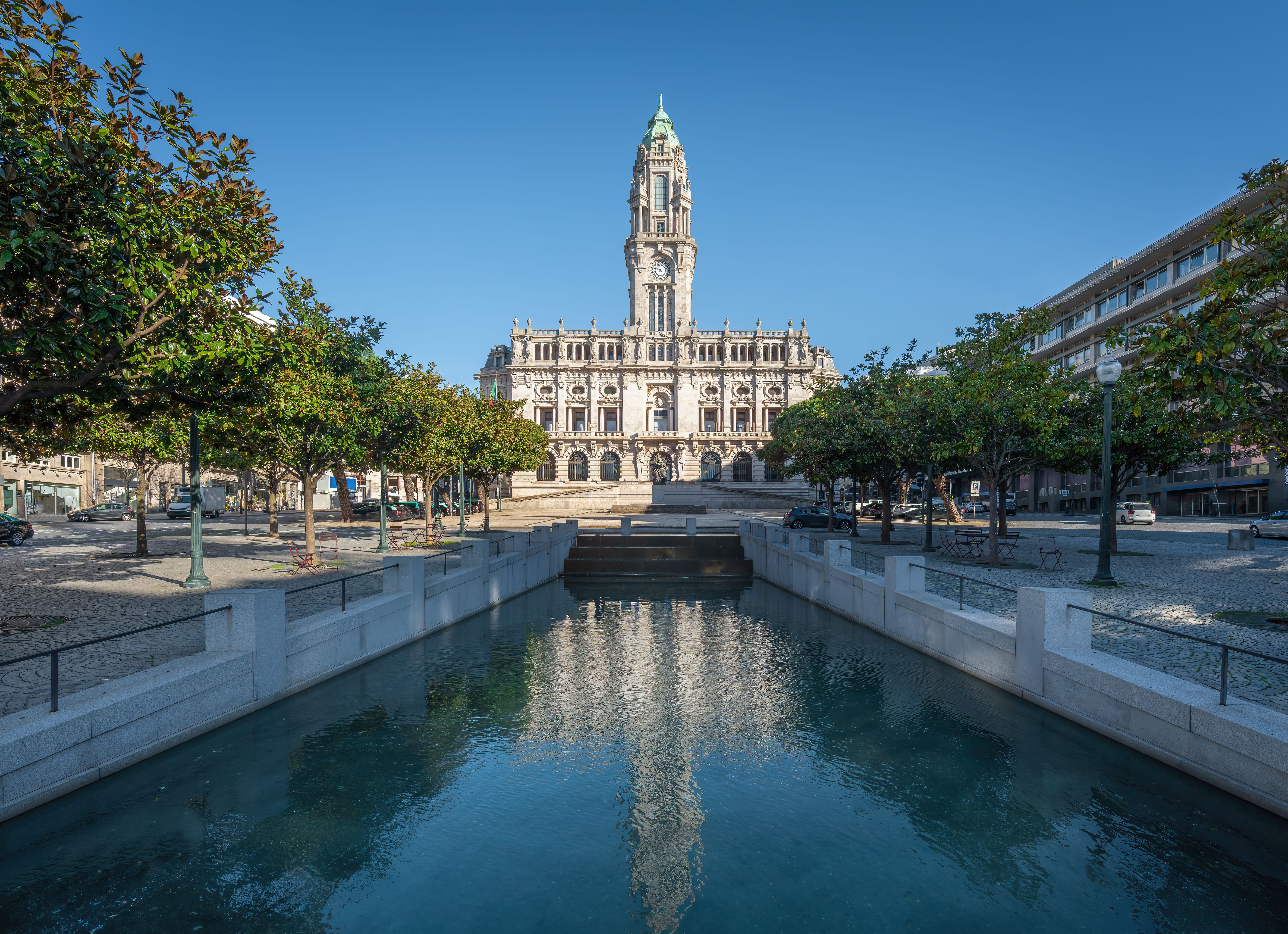
Porto's main avenue is lined with grand Beaux-Arts buildings, with the City Hall at the top. Álvaro Siza redesigned the avenue and Praça da Liberdade in 2006.
Modern Porto: The Porto School
Porto has an outsized place in modern architecture. Fernando Távora, his assistant Álvaro Siza and, later, Eduardo Souto de Moura are the best-known names of what is often called the Porto School. Siza won the Pritzker Prize, architecture's highest award, in 1992, and Souto de Moura in 2011, and both are linked to the city's Faculty of Architecture.
- Boa Nova Tea House, Matosinhos. Built on the rocks by the sea. Távora won the competition in 1958 and handed the project to Siza, then his young assistant.
- Leça da Palmeira pools. Siza's Tidal Pool, the Piscina das Marés, built between 1961 and 1966, is set among the rocks of the shore.
- Serralves Museum. Siza's white museum of contemporary art opened in 1999 in the Serralves park, and a new wing, also by Siza, opened in 2024.
- São Bento metro station. Siza designed the station, with his own drawings on the tiled walls.
- Faculty of Architecture (FAUP). Designed by Siza, it is part of a group of Siza works on UNESCO's tentative list since 2017, with the Boa Nova Tea House, the Tidal Pool and the Bouça housing complex.

Casa da Música
Designed by the Dutch architect Rem Koolhaas and opened in 2005, the angular concert hall on Avenida da Boavista is Porto's best-known contemporary building. Inside, a VIP room lined with blue and white tiles nods to Portuguese tradition. Guided tours of the building run daily.

See Porto's Architecture with a Guide
Tips for Architecture Lovers
- Start at São Bento. The station, the cathedral, Clérigos, the Bolsa and Aliados are all within a short walk.
- Look up and around. Many tiled facades, such as Capela das Almas and Santo Ildefonso, are free to see from the street.
- Book the guided interiors. Palácio da Bolsa and Casa da Música are visited on guided tours.
- Head to the coast for Siza. The Boa Nova Tea House and the Tidal Pool are in Leça da Palmeira, Matosinhos.