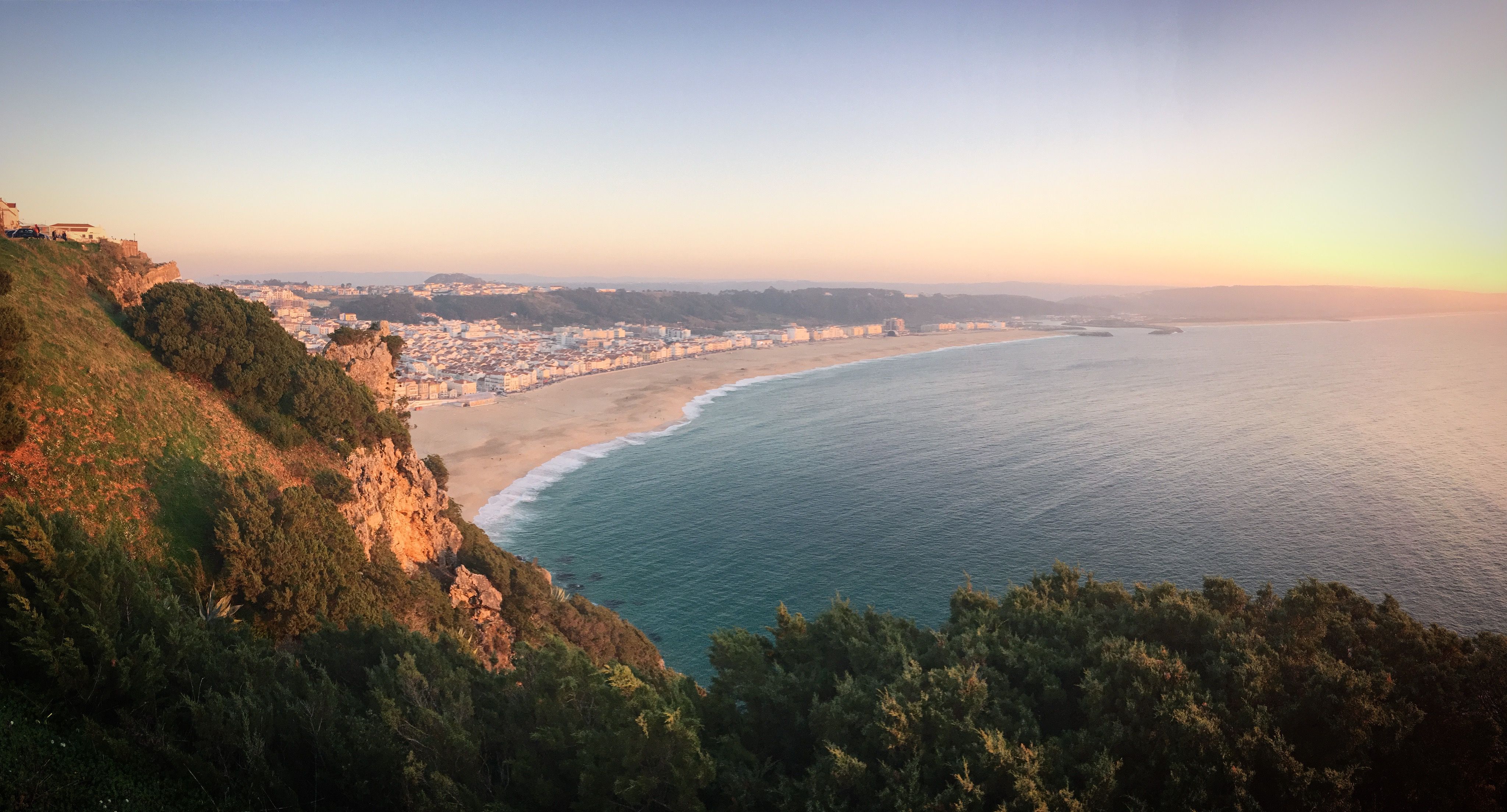
Nazaré Big Waves: When and Where to See
Fátima day trip from Lisbon or Porto: getting there by bus or car, what to see, the candlelight procession and how to add Batalha, Nazaré or Coimbra.
January 6, 2026 • 5 min read
Nazaré Big Waves: When and Where to See
Nazaré Big Waves at a Glance
Why Nazaré Has the World's Biggest Waves
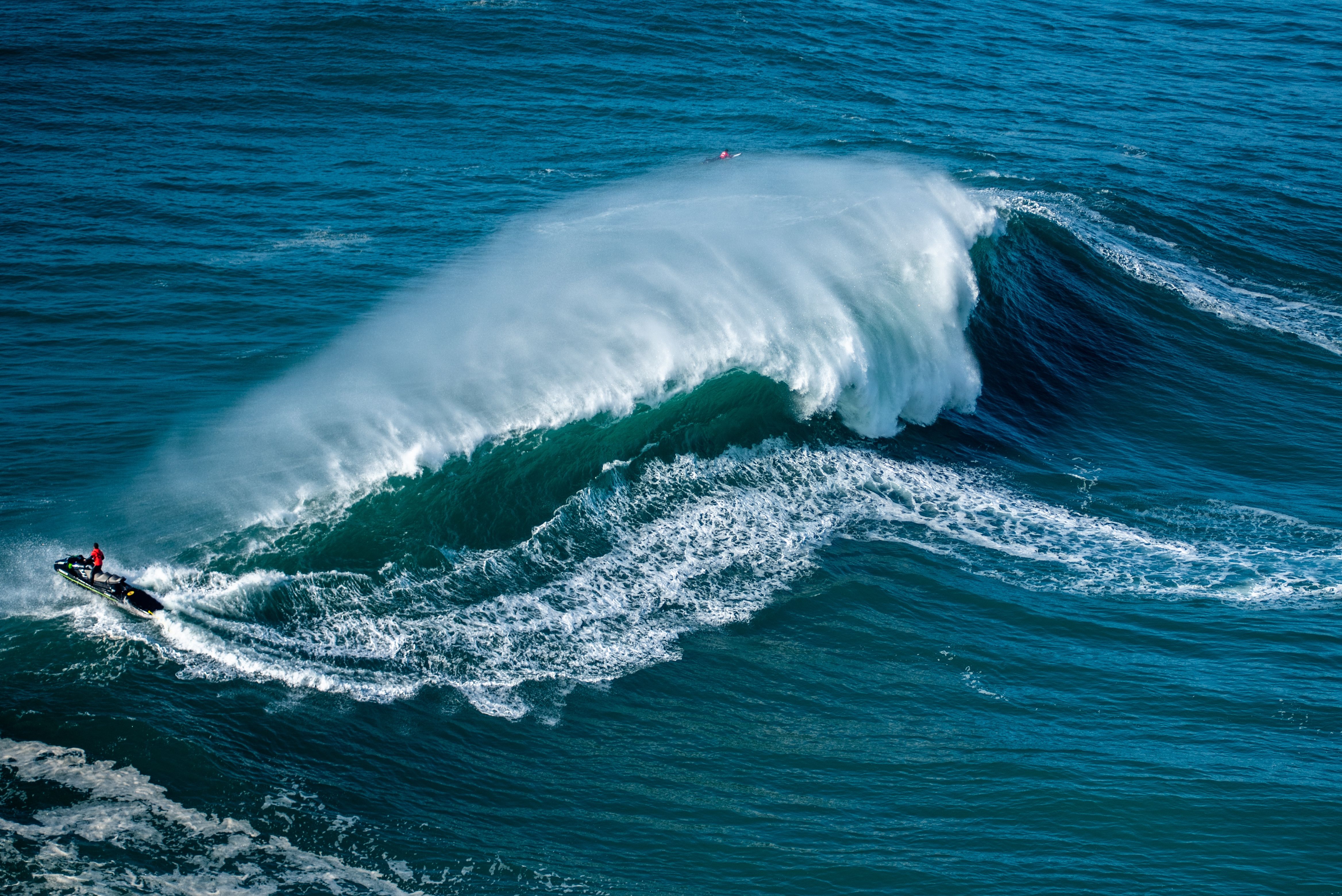
Off Nazaré, the seabed drops into the Nazaré Canyon, an underwater canyon about 210 km long and around 4.8 km deep. Waves travel faster over the deep canyon than over the shallower seabed beside it, so they bend toward the coast and meet swells arriving from the north-west. When they combine near Praia do Norte, they can build into some of the largest waves surfed anywhere.
When to See the Big Waves
The big-wave season runs from about October to March, when Atlantic winter storms send the largest swells toward Portugal, and November, December and January are usually the best months. Even in the season, giant waves do not break every day: you need a big swell from the north-west or west, and offshore winds help the waves hold their shape.
In summer, from about June to September, the sea at Nazaré is usually much calmer, and the town's main beach is busy with swimmers.
How to Know If There Will Be Waves
- Check a surf forecast. Sites and apps such as Surfline and Windguru show the swell size, period and direction several days ahead. Look for a large swell from the north-west or west.
- Follow local surf news. Surfers and local media share big-swell days, often shortly before they happen.
- Keep your plans flexible. If you are staying nearby, Lisbon is only about 1 hour 30 minutes away by car, so you can go on the best day.
Where to Watch
The Fort of São Miguel Arcanjo
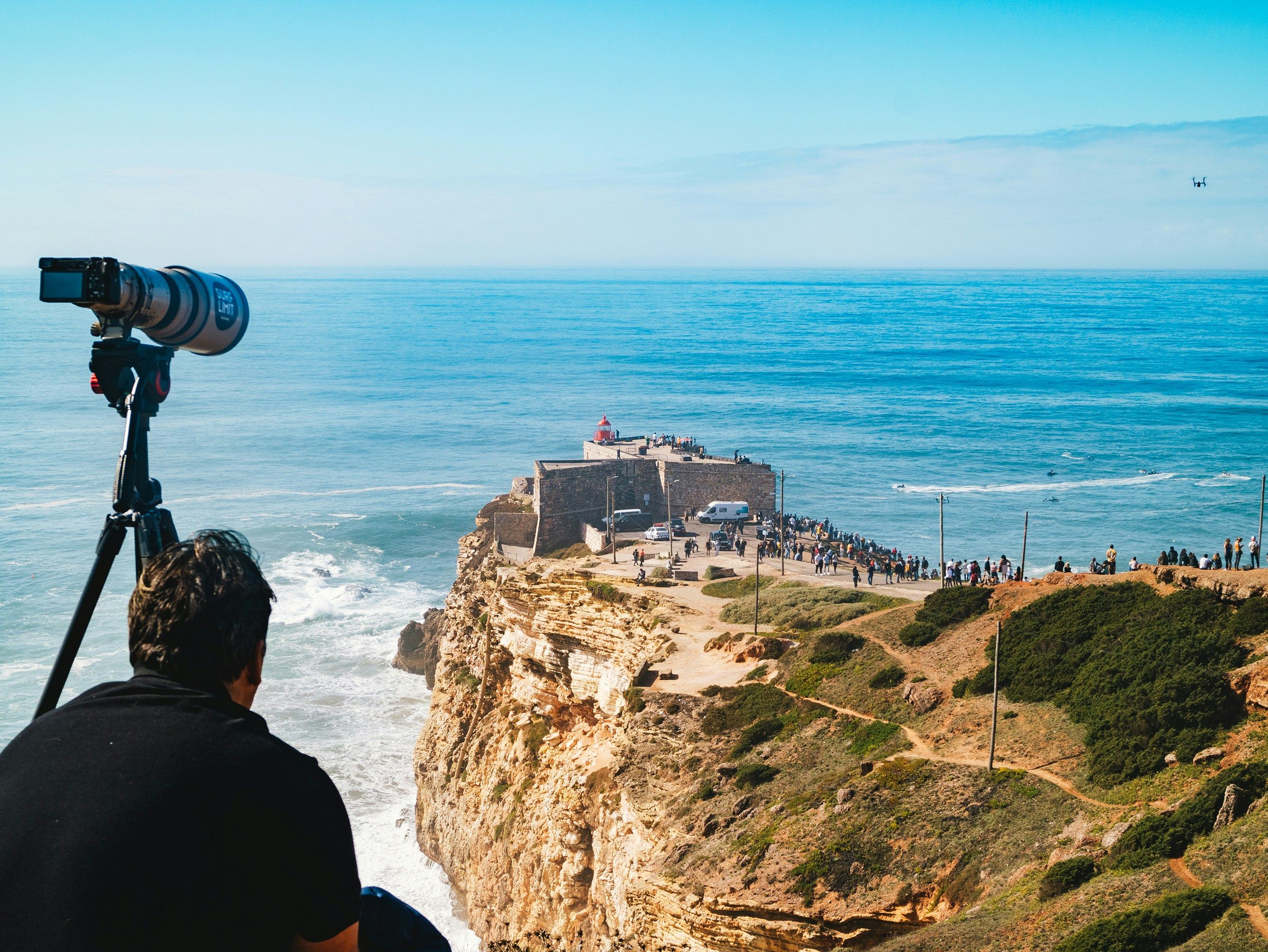
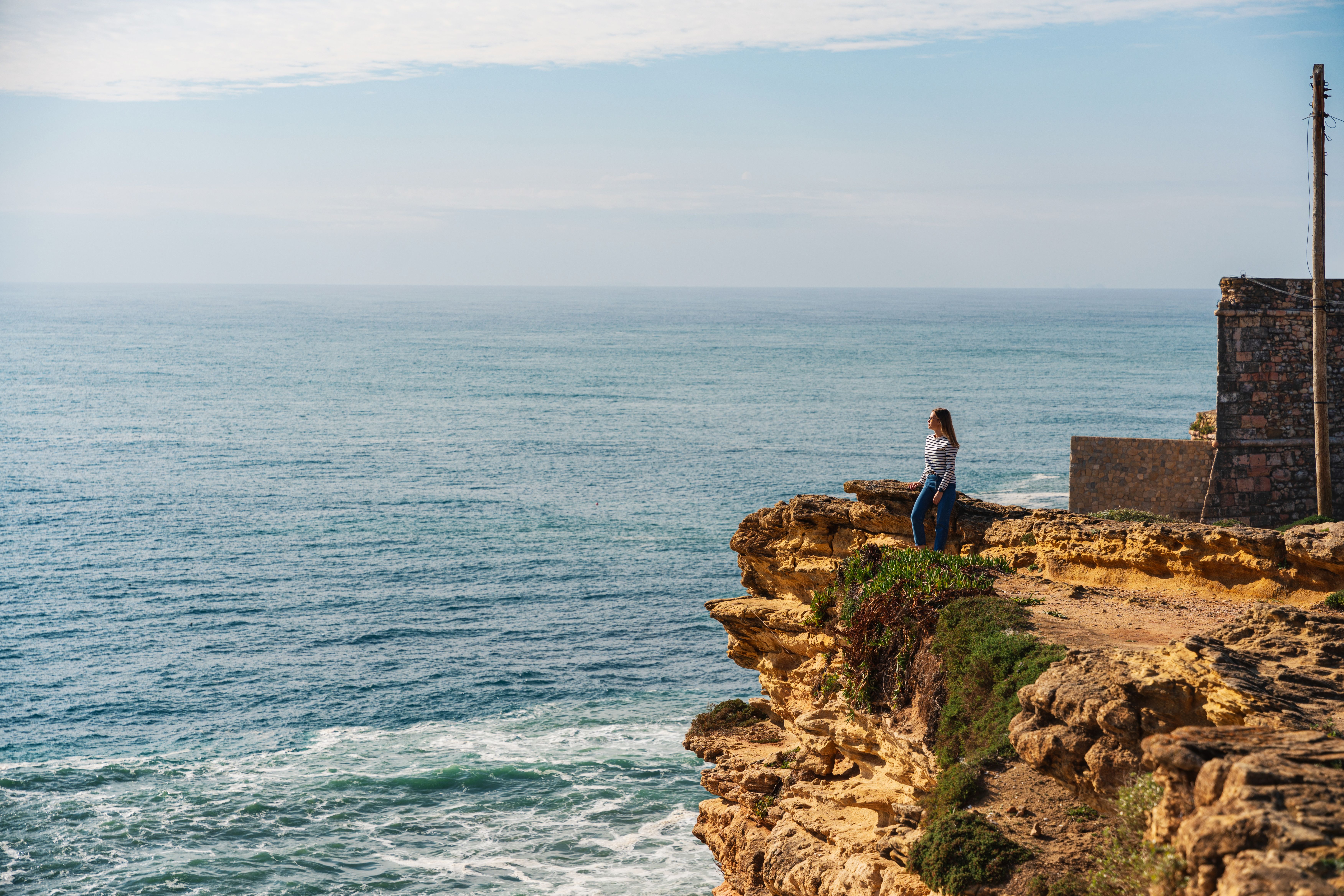
The fort, on a cliff above Praia do Norte, is the classic viewpoint. First built in 1577 and rebuilt in 1644, it has had a lighthouse since 1903 and is now a museum, partly dedicated to surfing and to the Nazaré Canyon. On big days, the fort and the paths around it get very crowded, so arrive early.
Miradouro do Suberco
Higher up in the Sítio, the Suberco viewpoint gives a wider, more distant view over Praia do Norte and the coast, with fewer people.
Safety
Praia do Norte is extremely dangerous on big days. Stay well back from the water and off unstable cliff edges, and do not go down to the beach. Bring warm, windproof clothes and a camera with a good zoom.
The Records
Garrett McNamara's ride in 2011 brought Nazaré's waves to world attention, and since 2016 the town has hosted big-wave competitions.
What to Do in Nazaré When the Sea Is Calm
- The Sítio: the old clifftop quarter, with its square, church and a viewpoint over the beach and the town.
- The funicular: built in 1889, it climbs from the beach to the Sítio.
- The main beach: a long, sheltered sandy beach in front of the town, busy in summer.
- Fishing traditions: salted fish still dries on nets along the seafront, and some older women wear the layered petticoats Nazaré is known for.
- The fort and its museum: worth a visit even without big waves, for the canyon exhibition and the views.
Nearby, the walled town of Óbidos, the UNESCO monasteries of Alcobaça and Batalha and the sanctuary of Fátima are easy to add on the same day.
How to Get to Nazaré
Nazaré is about 1 hour 30 minutes from Lisbon by car, and about 40 km from Óbidos. Buses also run from Lisbon, and day tours often combine Nazaré with Óbidos, Fátima or Batalha. On big-wave days, parking near the fort and in the Sítio fills up quickly, so park lower down and take the funicular.