Renting a Car and Driving in Porto: The Complete Guide
Unlock the secrets to a hassle-free Porto adventure with our Essential Guide to Car Rental and Driving in Porto. Get expert tips, must-know rules, and the best rental deals for a seamless journey in this vibrant city.
February 27, 2024 • 4 min read
Renting a Car and Driving in Porto: The Complete Guide
Renting a car in Porto, in short
Do you need a car in Porto?
For the city, no. Porto's main sights sit close together in a walkable historic centre, and the metro, buses and trams cover the rest, so a car is more of a burden than a help downtown. Where a car is worth it is for exploring beyond the city at your own pace: the Douro Valley, the beaches at Foz, or nearby towns like Guimarães and Braga. A common approach is to see Porto on foot and rent a car only for the days you head out of town.
Renting a car: what to know
- Where to collect: you can pick up at Porto Airport or from city centre offices. The airport is usually the easiest if you are driving straight out for a day trip.
- Age and licence: the minimum rental age is typically 21, often with a young-driver fee under 25. Visitors from outside the EU should carry an International Driving Permit together with their home licence.
- Book ahead: rates and availability are better booked in advance, especially in summer.
- Ask about the toll device: most rentals include or offer an electronic toll transponder, which saves a lot of hassle (see tolls below).
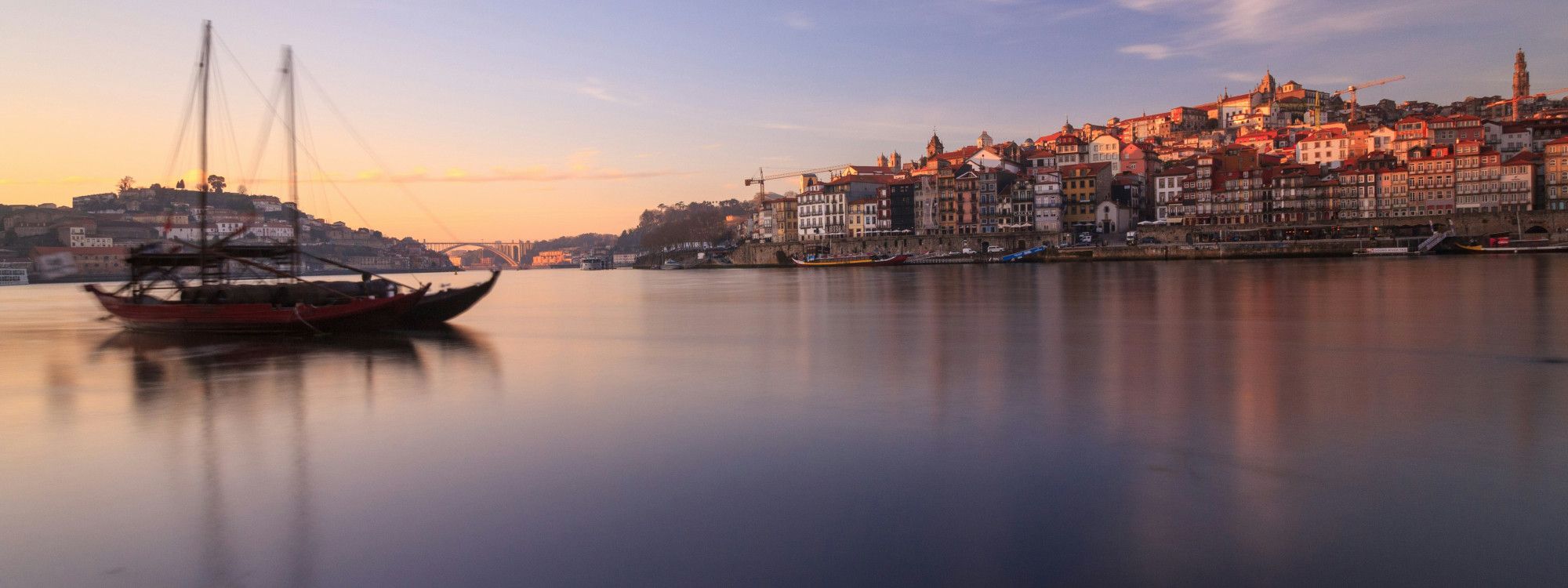
Navigating the charming streets of Porto, the heart of northern Portugal, offers an unparalleled opportunity to explore this historic city and its stunning surroundings at your leisure. Porto, known for its rich heritage, vibrant cultural scene, and exquisite gastronomy, becomes even more accessible and enjoyable when you have the flexibility of a rental car. This essential guide is designed to arm you with practical tips and insightful advice, ensuring your driving experience in Porto is smooth, enjoyable, and free of surprises.
Driving in Portugal: the basics
- Side of the road: you drive on the right, and overtake on the left.
- Speed limits: roughly 50 km/h in towns, 90 km/h on open roads, and 120 km/h on motorways, unless signed otherwise.
- Seatbelts are required for everyone, and using a handheld phone while driving is not allowed.
- Drink driving limits are strict, at 0.5 grams per litre of blood, and lower for newer drivers.
How tolls work
Portugal has two kinds of tolls, and this trips up many visitors:
- Electronic tolls (ex-SCUT): these motorways have no booths. Overhead gantries read your plate or transponder as you pass, common on roads around Porto and the north. You cannot stop to pay, so you need a device or your plate registered.
- Barrier tolls: the traditional kind, where you take a ticket on entry and pay by card or cash at the exit.
The simplest solution is to have your rental car fitted with an electronic toll transponder (Via Verde), so all tolls are charged automatically to your card for a small daily fee. Confirm the exact cost and how it is billed with your rental company.
Driving and parking in Porto
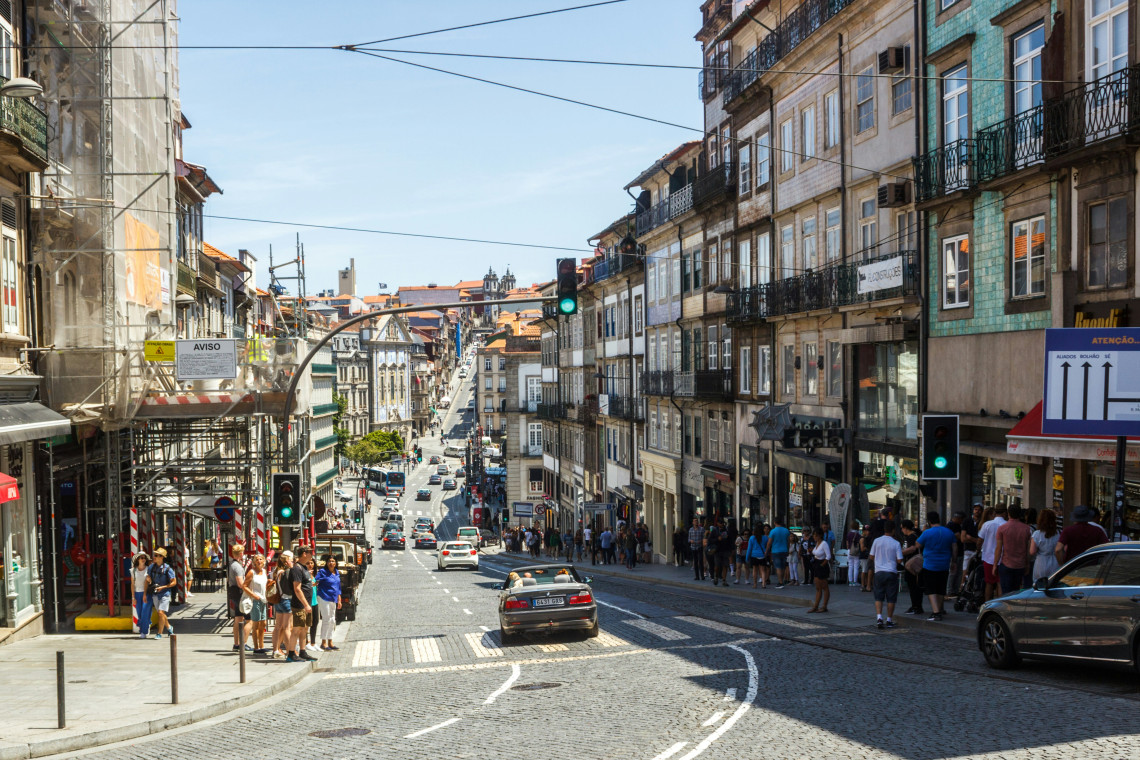
Porto's old centre is hilly, with narrow, one-way cobbled streets that can be stressful to drive. Parking on the street is scarce and restricted. The easiest option is to leave the car in a paid garage or a park-and-ride near a metro stop and walk or ride into the centre. If your hotel offers parking, book it in advance.
Best day trips by car from Porto
- The Douro Valley: the classic drive, with terraced vineyards and quintas. See our guide to the Douro Valley wine region.
- Guimarães and Braga: two historic cities within easy reach to the north.
- The coast: Foz do Douro and the beaches north and south of the city.
Frequently asked questions
Ready to Explore Porto and Beyond by Car?
Our Porto Package with Car takes care of the flights, hotel and rental so you can drive out to the Douro at your own pace, with all-in pricing and no surprises.