
Where to Stay in Lisbon: Best Areas
Where to stay in Lisbon: Baixa, Chiado, Alfama, Bairro Alto, Avenida da Liberdade, Belém, Parque das Nações or Cascais, with pros, cons and hotels.
February 22, 2024 • 7 min read
Best Area to Stay in Lisbon, Portugal: Neighborhood Guide
Best Areas to Stay in Lisbon at a Glance
Baixa and Rossio: Best for First-Time Visitors
The Baixa is the grid of streets rebuilt after the 1755 earthquake, running from Rossio square down to Praça do Comércio on the river. It is Lisbon's most central and practical base: mostly flat, close to the metro, Rossio station for Sintra trains, and within walking distance of Alfama, Chiado and the waterfront.
Pros: central, flat, well connected, many hotels at every level.
Cons: busy by day, with more tourist-focused restaurants than other areas, and some streets can be noisy at night.
Who it suits: first-time visitors, short stays and anyone who wants to walk to the main sights.

Chiado: Best for Couples and Convenience
Just uphill from the Baixa, Chiado is Lisbon's elegant district of historic cafés, bookshops, theaters and shops. It sits between the Baixa and Bairro Alto, so you are close to both the sights and the nightlife without staying in the middle of it.
Pros: central, attractive, good restaurants, quieter at night than Bairro Alto.
Cons: some steep streets, and hotels here are often more expensive.
Who it suits: couples, repeat visitors and travelers who want a stylish, central base.
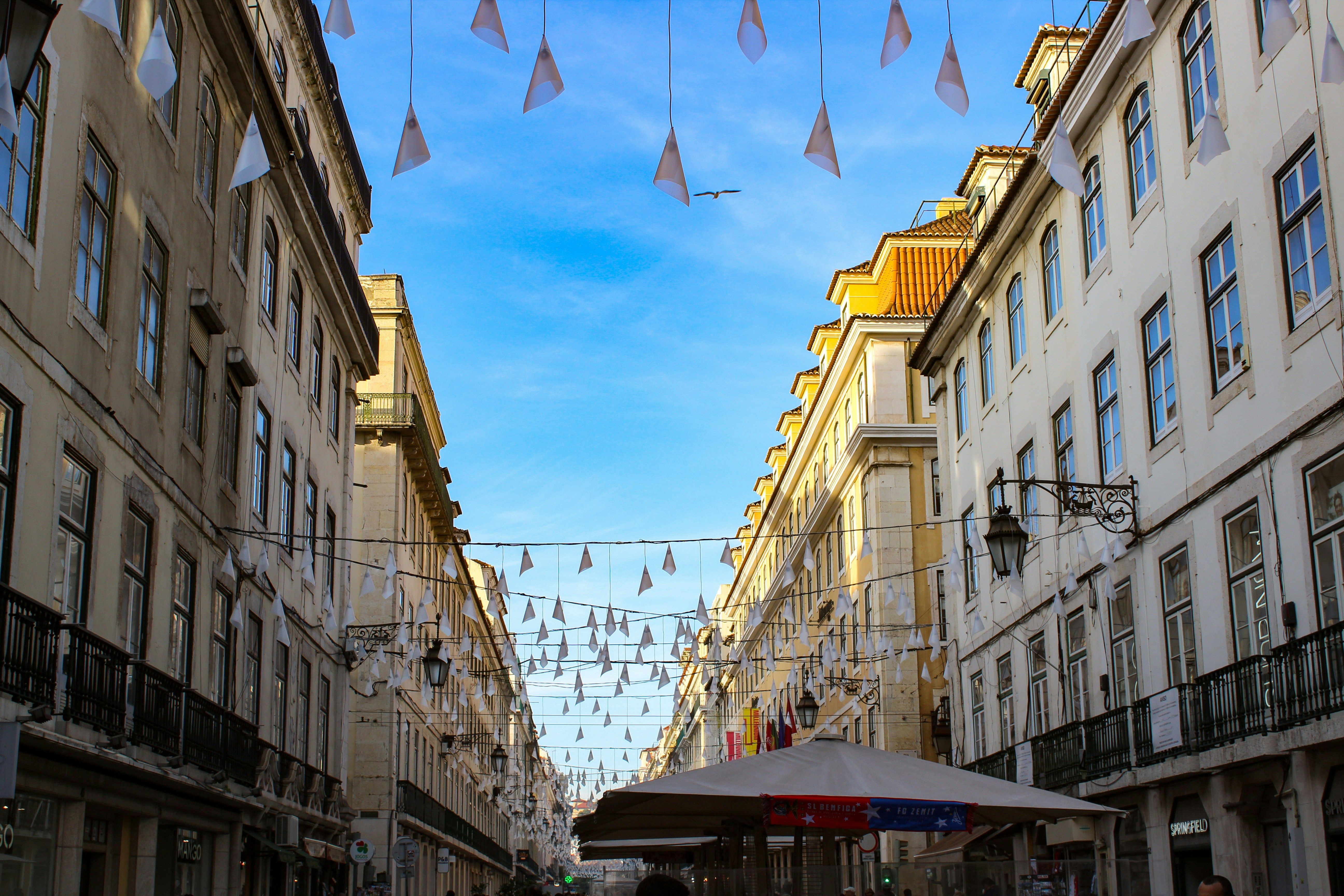
Alfama: Best for Atmosphere and Fado
Lisbon's oldest neighborhood climbs from the river to São Jorge Castle in a maze of lanes, stairways and small squares. In the evening, it is one of the best places in the city to hear fado. Staying here feels like living inside the old Lisbon.
Pros: character, views, fado, close to the castle and the cathedral.
Cons: very steep and cobbled, hard with heavy luggage, and many streets cannot be reached by car or taxi.
Who it suits: travelers who pack light, walk comfortably and want atmosphere over convenience.

Bairro Alto and Príncipe Real: Best for Nightlife and Boutiques
Bairro Alto is quiet by day and turns into Lisbon's busiest nightlife area after dark, with small bars spilling onto the street until late. Next to it, Príncipe Real is calmer and leafier, with a garden, independent shops, design stores and some of the city's best restaurants.
Pros: nightlife and bars in Bairro Alto; style, shops and quieter streets in Príncipe Real.
Cons: Bairro Alto is noisy late at night, especially at weekends, and both are on a hill.
Who it suits: younger travelers and night owls in Bairro Alto; design lovers and repeat visitors in Príncipe Real.
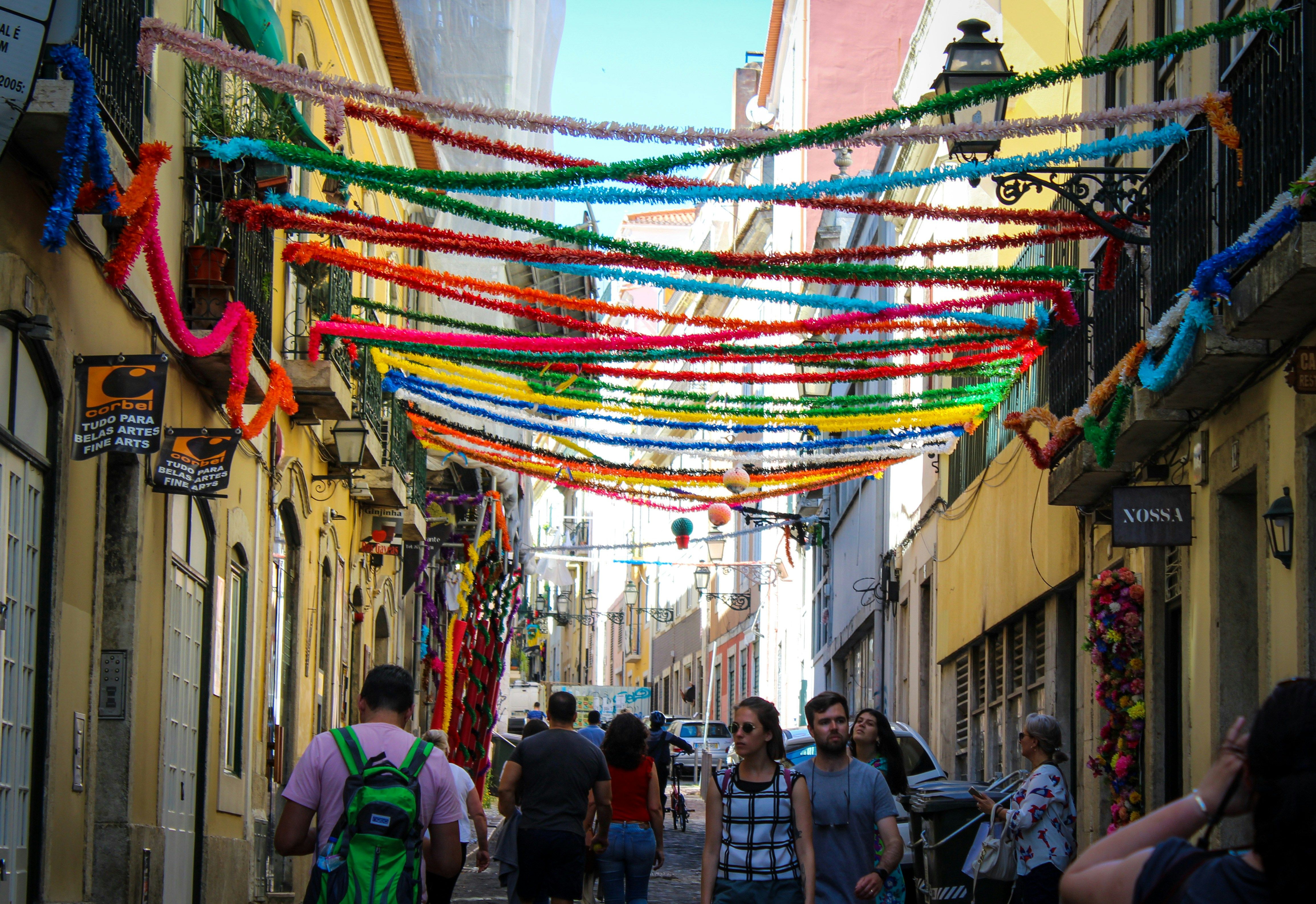
Avenida da Liberdade: Best for Upscale Hotels
Lisbon's grand tree-lined boulevard runs from Restauradores, next to Rossio, up to the Marquês de Pombal square. It is lined with luxury shops and many of the city's larger and more upscale hotels, and has several metro stations along its length.
Pros: comfortable hotels, gentle slope, metro access, easy taxi pick-up.
Cons: less local character than the old neighborhoods, and the top end is a walk or metro ride from the sights.
Who it suits: travelers who want a comfortable hotel with good access, and those arriving by car or taxi.
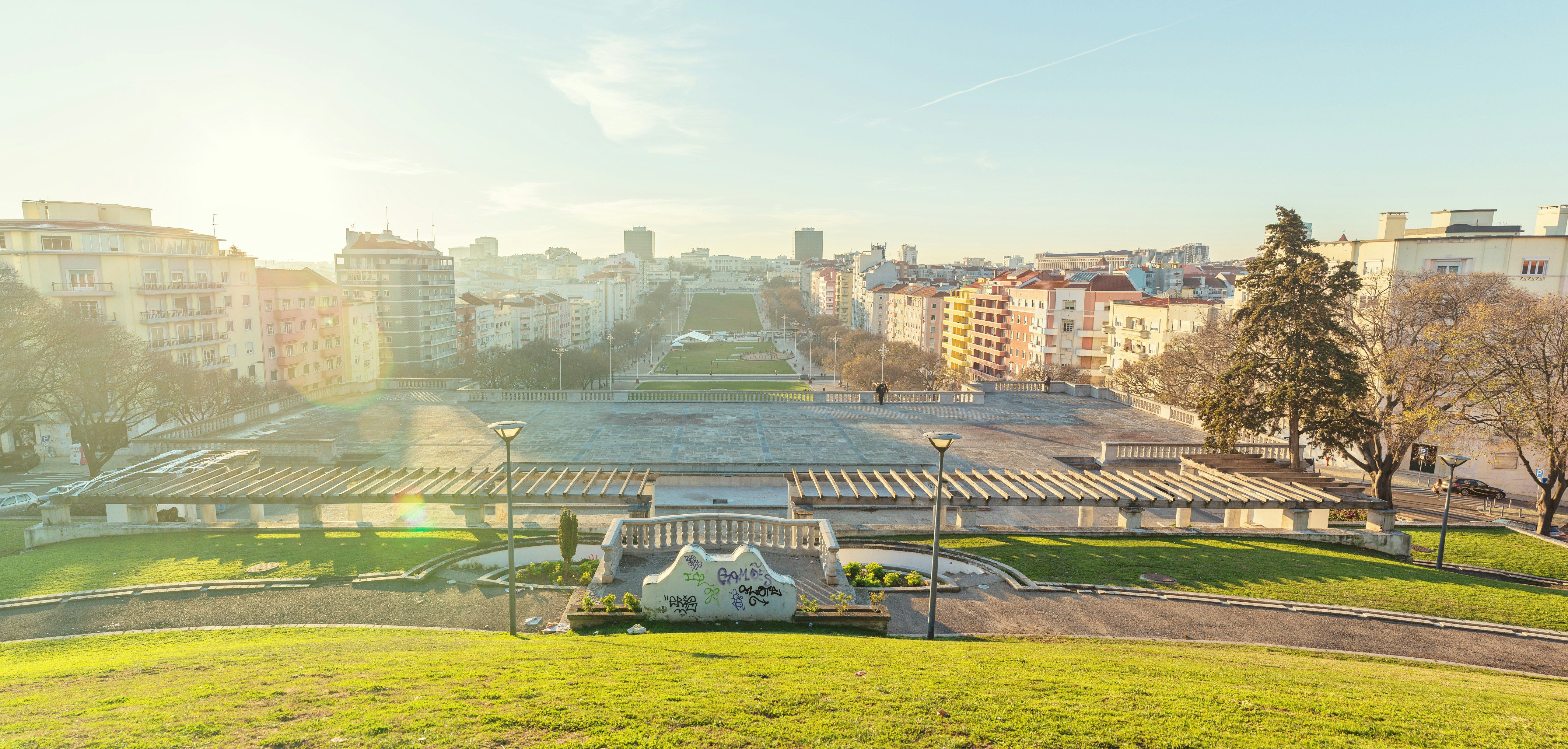
Belém: Best for Monuments and Families
Along the river west of the center, Belém is home to the Jerónimos Monastery, Belém Tower and the Monument to the Discoveries, with gardens and a long riverside walk. It is flat and calm, especially in the evening.
Pros: quiet, flat, green, close to Belém's main sights.
Cons: 20 to 30 minutes by tram, train or taxi from the center, and few restaurants open late.
Who it suits: families, history lovers and travelers who want a calm base.
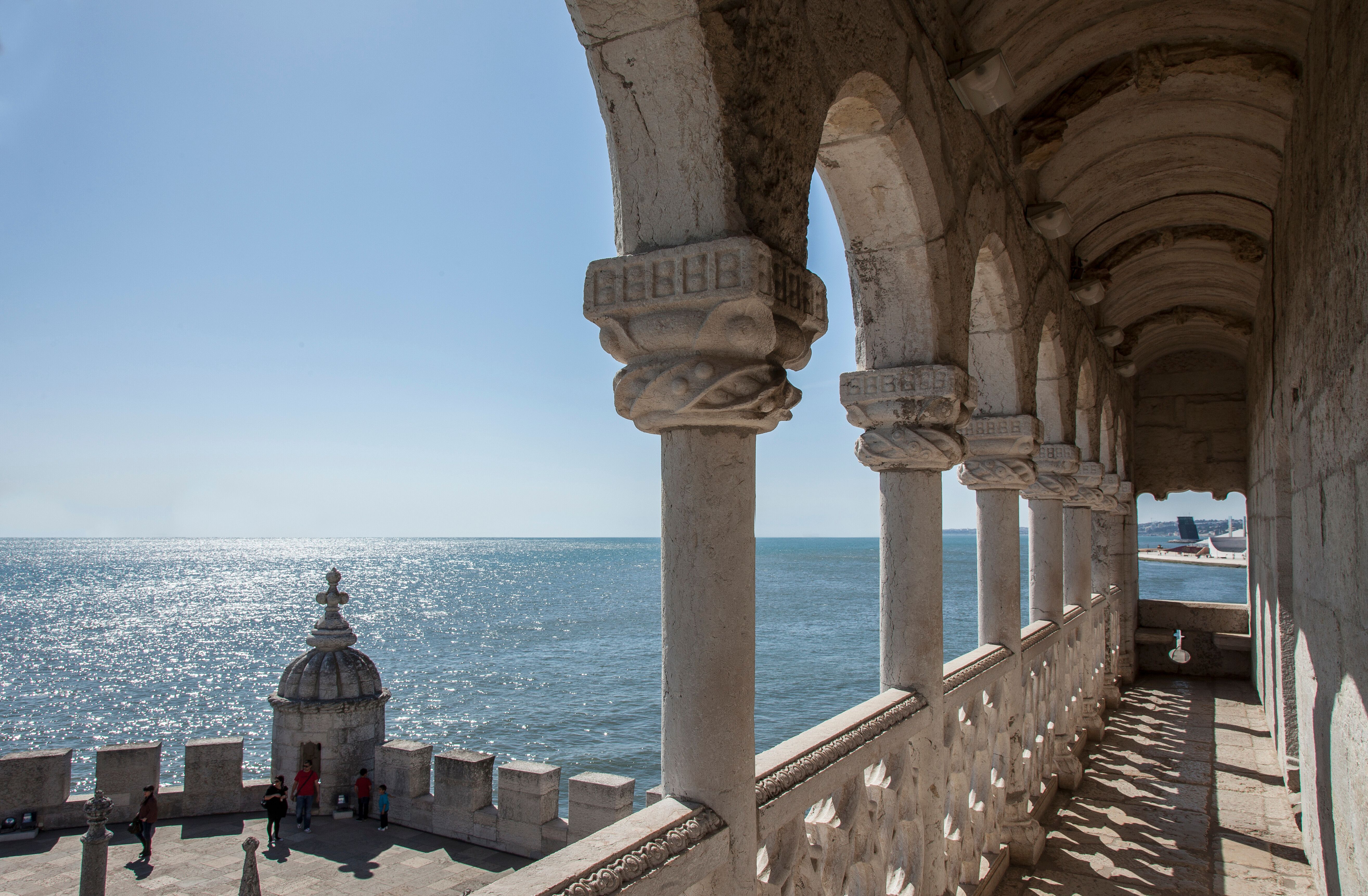
Parque das Nações: Best for Modern Hotels and the Airport
Built for Expo '98 on the river in the east of the city, Parque das Nações is Lisbon's modern district, with the Oceanarium, a long waterfront promenade and the Oriente station, served by the metro and by trains to Porto and the Algarve. It is the closest area to the airport.
Pros: modern hotels, flat riverside walks, easy airport and train access.
Cons: far from the historic center and its atmosphere, so you will use the metro every day.
Who it suits: short stays, early flights, train connections and business trips.

Cascais: Best for Beaches and a Slower Pace
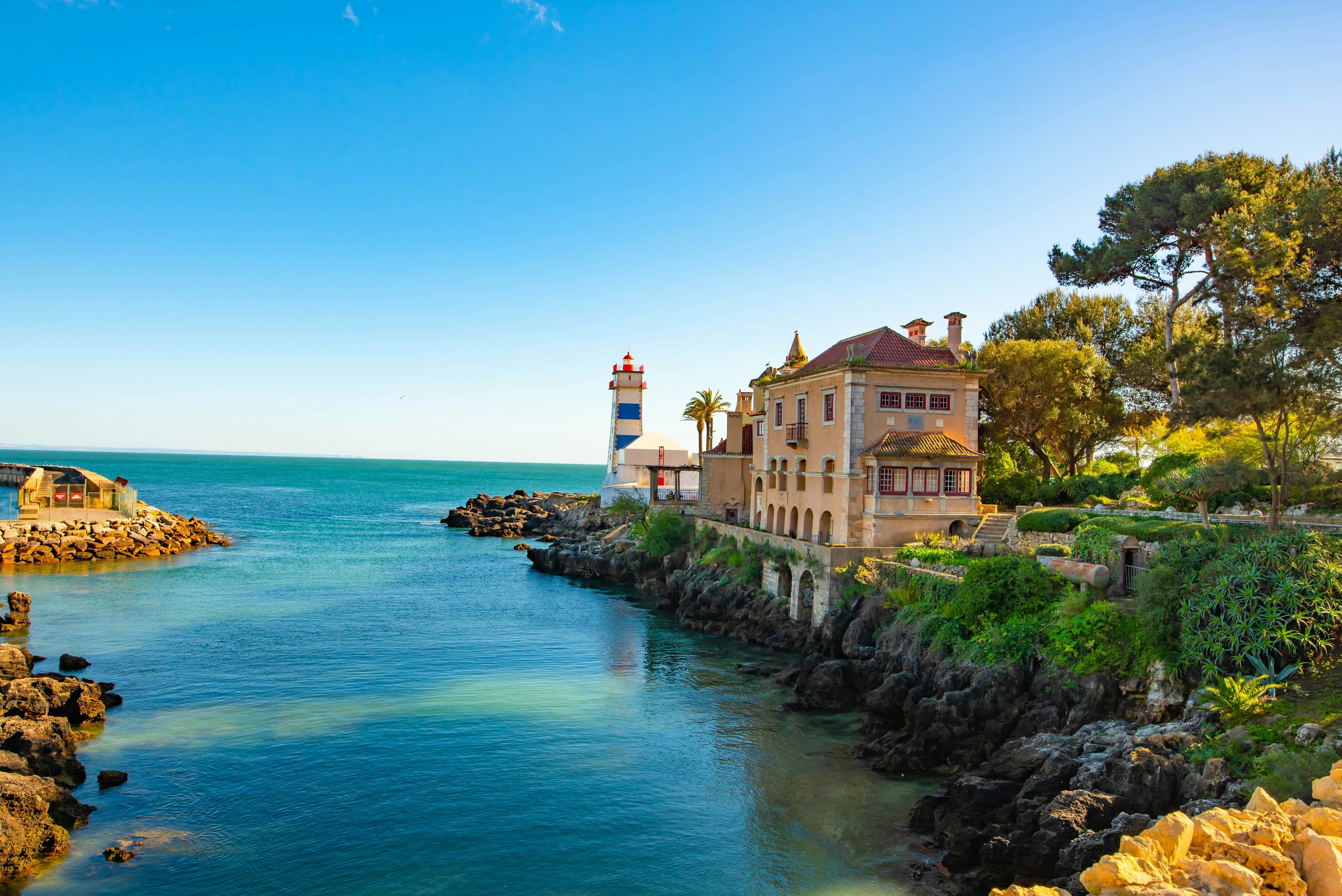
If you would rather wake up by the sea, Cascais is a seaside town about 40 minutes from Cais do Sodré by train, with town beaches, a historic center and the coast road to Guincho. You can visit Lisbon by day and come back to the sea in the evening.
Pros: beaches, a relaxed pace, easy train link to Lisbon.
Cons: you spend time on the train every day, and Lisbon's evenings are further away.
Who it suits: beach lovers, families and travelers spending a week or more.
Alfama or Bairro Alto for a First Visit?
Neither is the easiest choice for a first trip. Alfama is charming but very steep and hard with luggage, and Bairro Alto is lively and noisy late at night. If you want their atmosphere, stay in Chiado or the Baixa, which sit between them: you can walk to both in 10 to 15 minutes and come back to a quieter, flatter street to sleep.