
Getting Around Lisbon: Transport Guide
How to get around Lisbon: the metro, trams, buses, trains, ferries, taxis and tickets, plus Tram 28 tips and which historic elevators are closed.
March 20, 2020 • 7 min read
How to Get Around Lisbon: Inside Tips Guide
Getting Around Lisbon at a Glance
Walking
Lisbon's historic center is compact, and walking is the best way to discover Alfama, the Baixa, Chiado and Bairro Alto. The catch is the hills: the city is built on steep slopes, and the traditional calçada pavements are slippery, especially when wet. Wear shoes with good grip, and plan your walks downhill, for example from Graça down through Alfama to the river. The riverside, from Cais do Sodré to Belém, is flat.

Metro
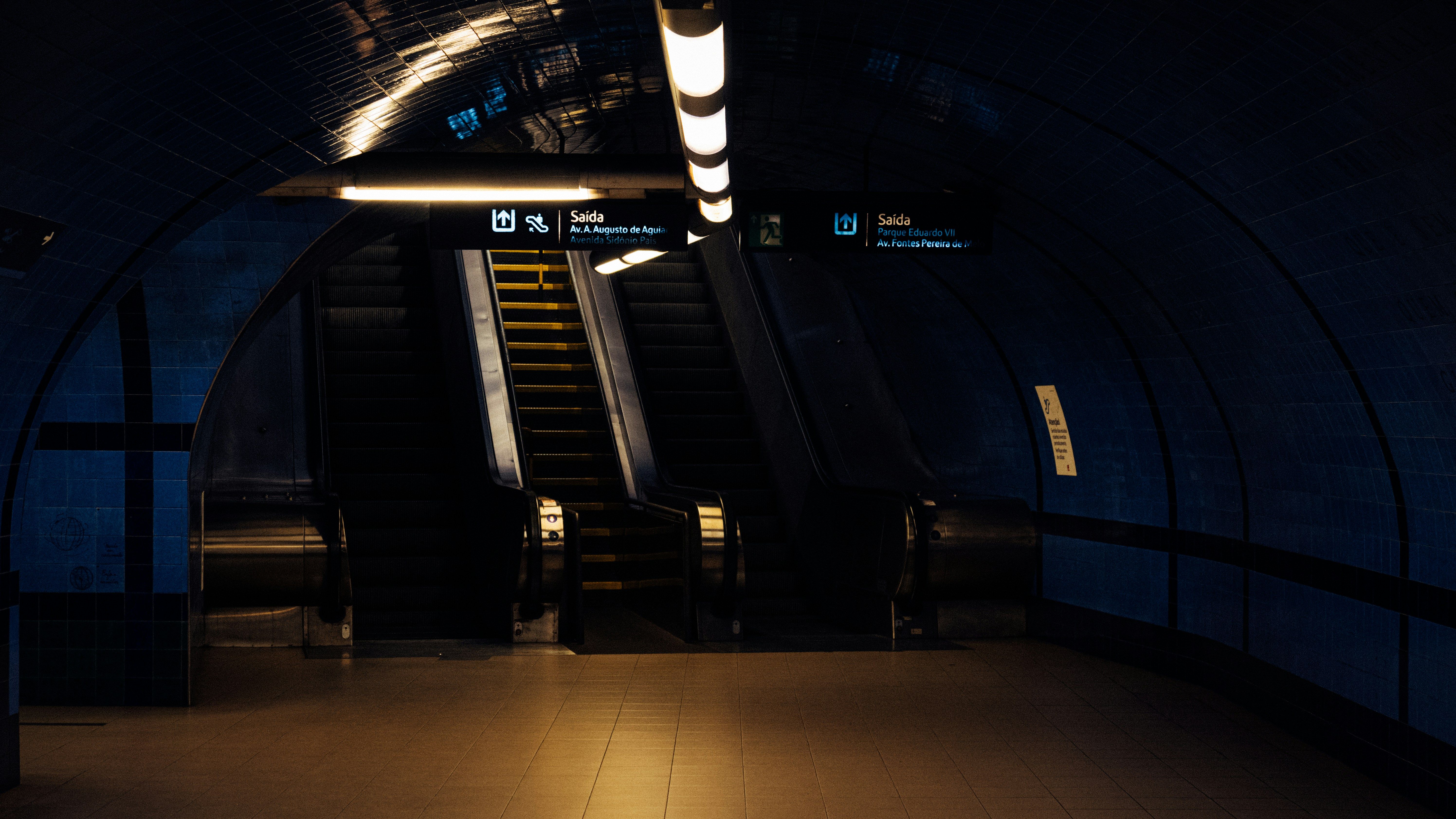
The Lisbon Metro has four lines, blue, yellow, green and red, with 55 stations. It runs from about 6:30 am to 1 am, with trains every few minutes, though some smaller stations close earlier. The red line starts at the airport, right in front of the arrivals building. To reach the Baixa or Alfama, change to the green or blue line.
Useful stations: Baixa-Chiado for the center and Chiado, Terreiro do Paço for Praça do Comércio, Santa Apolónia for Alfama and long-distance trains, Cais do Sodré for the Cascais train and ferries, and Oriente for Parque das Nações.
Trams
Lisbon's trams, run by Carris, are both transport and a sight in themselves. Six routes remain. The most useful for visitors are Tram 28, through the old neighborhoods, and Tram 15, to Belém.
Tram 28 runs from Martim Moniz through Graça, Alfama, the Baixa, Chiado and Estrela to Campo de Ourique, past São Jorge Castle, the Sé and the Santa Luzia viewpoint. It is the most famous ride in Lisbon, and often very crowded.
Tips for Tram 28:
- Ride early in the morning, when it is less busy.
- Board at the terminus, at Martim Moniz or Campo de Ourique, to get a seat.
- Watch your belongings. Pickpockets operate on Tram 28 and Tram 15, especially when the tram is full.
- Enter at the front and exit at the back.

Lisbon's Historic Elevators Are Closed
On 3 September 2025, a car of the Glória funicular derailed, killing 16 people. Since then, Lisbon's four historic elevators have been closed:
Reopening dates are not confirmed, so check with Carris before you go. In the meantime, you can still see the Santa Justa Lift from the street, and reach Largo do Carmo on foot from Chiado.
Buses
Carris buses cover the whole city, including areas the metro does not reach. Most daytime routes have numbers in the 700s, and some lines run through the night. Buses are useful for trips like Alfama to the castle or the center to Belém, but they can be slow in traffic.

Suburban Trains
CP's suburban trains are the easiest way to reach the coast and Sintra:
- Sintra line: from Rossio station, about 40 minutes to Sintra.
- Cascais line: from Cais do Sodré, about 40 minutes to Cascais, along the river and the coast.
- Fertagus: across the 25 de Abril Bridge to the south bank and Setúbal.

Ferries
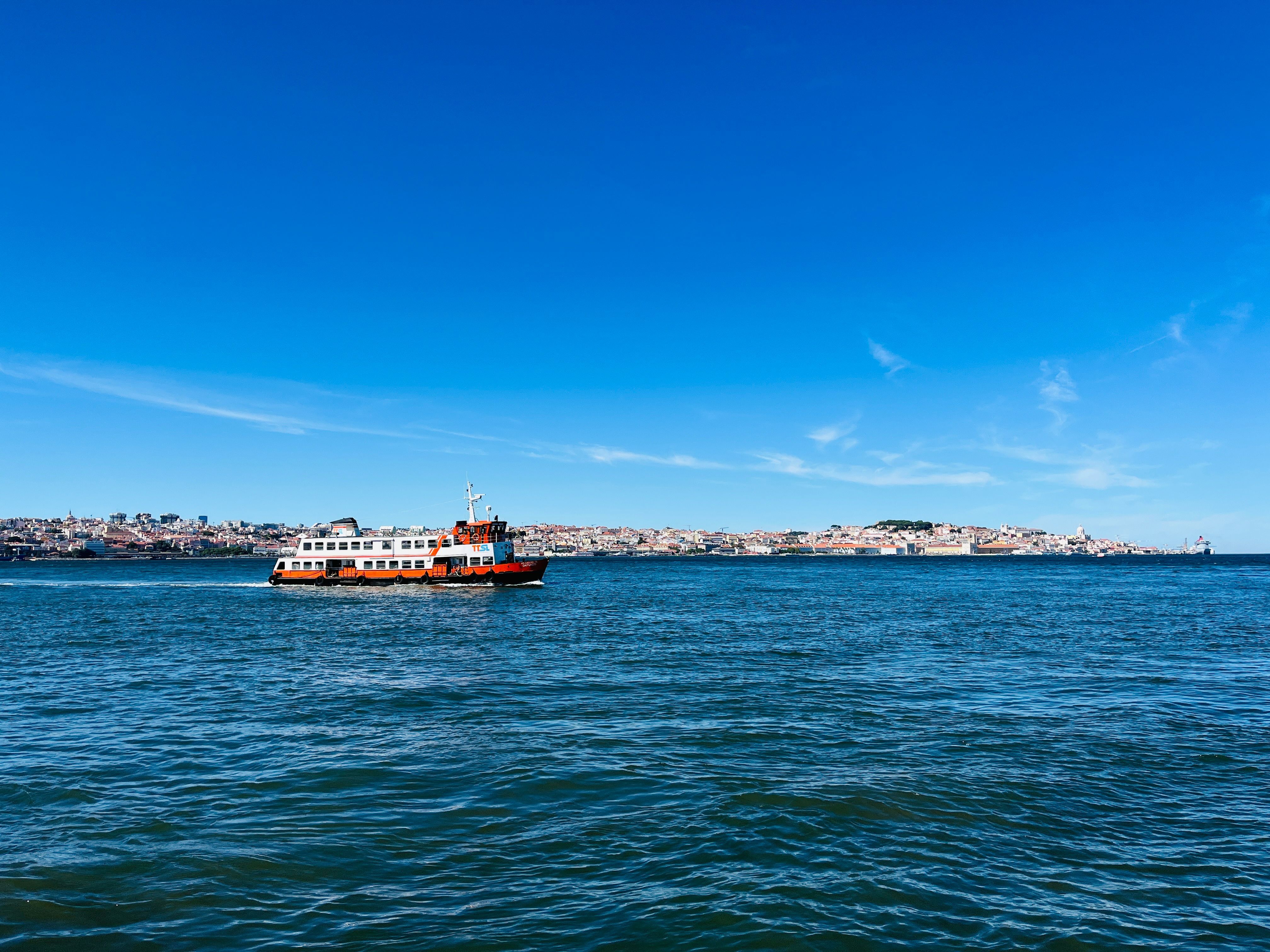
Ferries run by Transtejo and Soflusa cross the Tagus from several piers. The most popular with visitors is Cais do Sodré to Cacilhas, a short trip with one of the best views of Lisbon from the water. From Cacilhas, you can continue to the Cristo Rei.
Tickets and Cards
You have three simple options:
- navegante occasional card. A reloadable card you buy from ticket machines and ticket offices. Load it with single tickets, a 24-hour ticket or prepaid credit, called zapping, which is deducted per trip.
- Contactless bank card. You can tap your bank card at the metro gates. Each card covers one person per trip.
- 24-hour tickets. Unlimited travel for 24 hours from the first validation. Versions cover Carris and the Metro, Carris, the Metro and the Cacilhas ferry, or Carris, the Metro and CP trains, including the Sintra and Cascais lines.
Tips: validate your ticket every time you board, and buy tickets before you board trams and buses, as tickets bought on board cost more. The Lisboa Card also includes public transport.
Taxis and Ride-Hailing
Taxis are easy to find in the center, and ride-hailing apps such as Uber and Bolt also operate in Lisbon. They are useful late at night, with heavy luggage, for groups sharing the cost, or for the steepest hills. In the daytime, public transport is usually cheaper and often faster in traffic.
Bikes, Scooters and Tuk-Tuks
- Bikes. GIRA, the city's bike-sharing system, has stations across Lisbon, and the riverside path from Cais do Sodré to Belém is flat and easy. Away from the river, the hills are hard work.
- Tuk-tuks. Tuk-tuk tours are a popular way to see the hills without walking. Since April 2025, they are restricted on more than 300 streets of the historic center, so routes may avoid some narrow lanes.

Do You Need a Car in Lisbon?
No. Traffic, steep narrow streets and limited parking make driving in the center hard work, and public transport covers almost everything a visitor needs. A car is useful only for day trips that trains do not reach easily, such as Arrábida, Óbidos or Évora's vineyards. If you rent one, pick it up on the day you leave the city.

Getting to and from Lisbon Airport
Lisbon Airport is about 7 km from the center. The metro's red line leaves from in front of the arrivals building, and with one change you can reach the Baixa, Alfama or Cais do Sodré. Taxis and ride-hailing cars wait outside arrivals, and a private transfer is the easiest option with luggage or a late arrival.