History of Lisbon: Timeline and Culture
The history of Lisbon from Olisipo to the Moors, 1147, the Discoveries, the 1755 earthquake and 1974, plus fado, azulejos and where to see it all.
October 24, 2022 • 8 min read
History of Lisbon: Timeline and Culture
A Timeline of Lisbon's History
Lisbon's History Step by Step
Origins: Phoenicians and Romans
People lived on the hill where São Jorge Castle stands from at least the Iron Age, between the 8th and 6th centuries BC, and Phoenician pottery shows contact with traders from very early on. Most historians now see Lisbon as a local settlement that traded with the Phoenicians, rather than a Phoenician colony. The Romans occupied it in 205 BC and named it Olisipo, and it later received the title Felicitas Julia. Its Roman theater, built in the 1st century AD and rediscovered in 1798 during the rebuilding after the earthquake, can still be visited below the castle.
The Moorish City
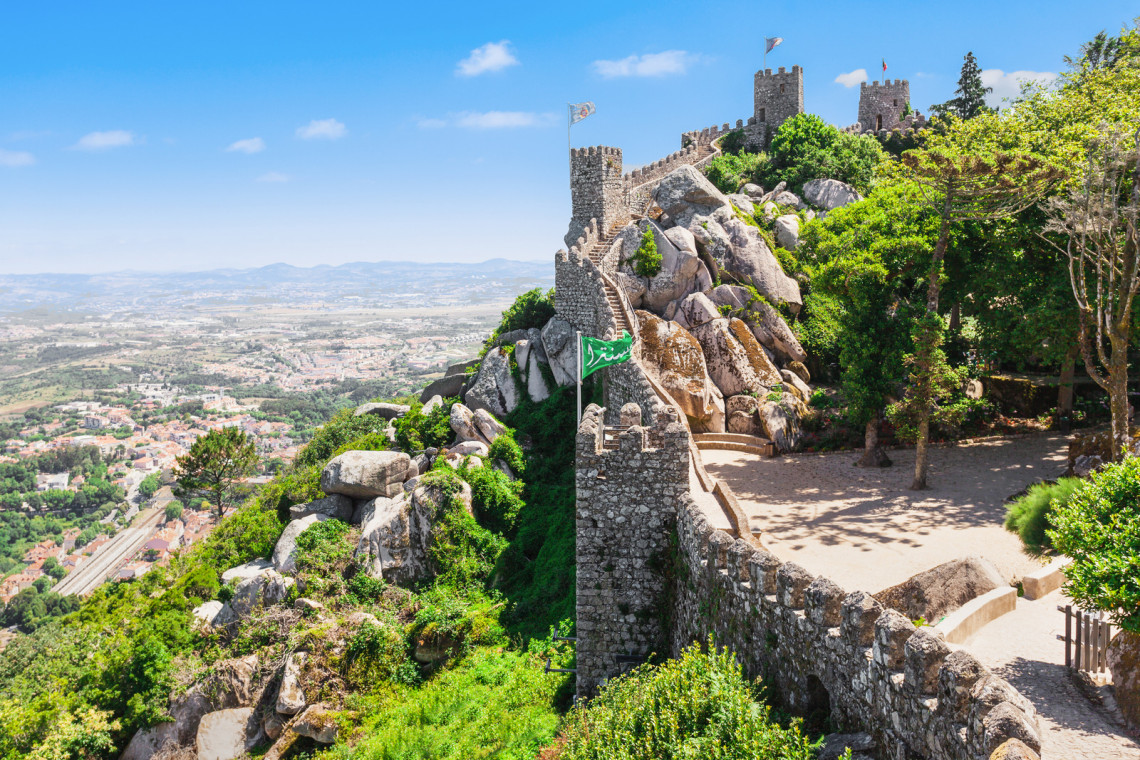
After the Suebi and the Visigoths, Moorish forces took the city in 714. Under the name al-Ushbuna, it remained in Muslim hands for over four centuries and became a prosperous trading town. The name of Alfama, from the Arabic al-hamma, meaning hot springs, and the layout of its lanes come from this period.
1147: The Christian Conquest
In 1147, Afonso Henriques, the first king of Portugal, besieged Lisbon with the help of crusaders on their way to the Holy Land. After four months, the city surrendered in October, and the king took possession on 1 November. About a century later, in 1256, King Afonso III moved the capital from Coimbra to Lisbon.
The Age of Discoveries
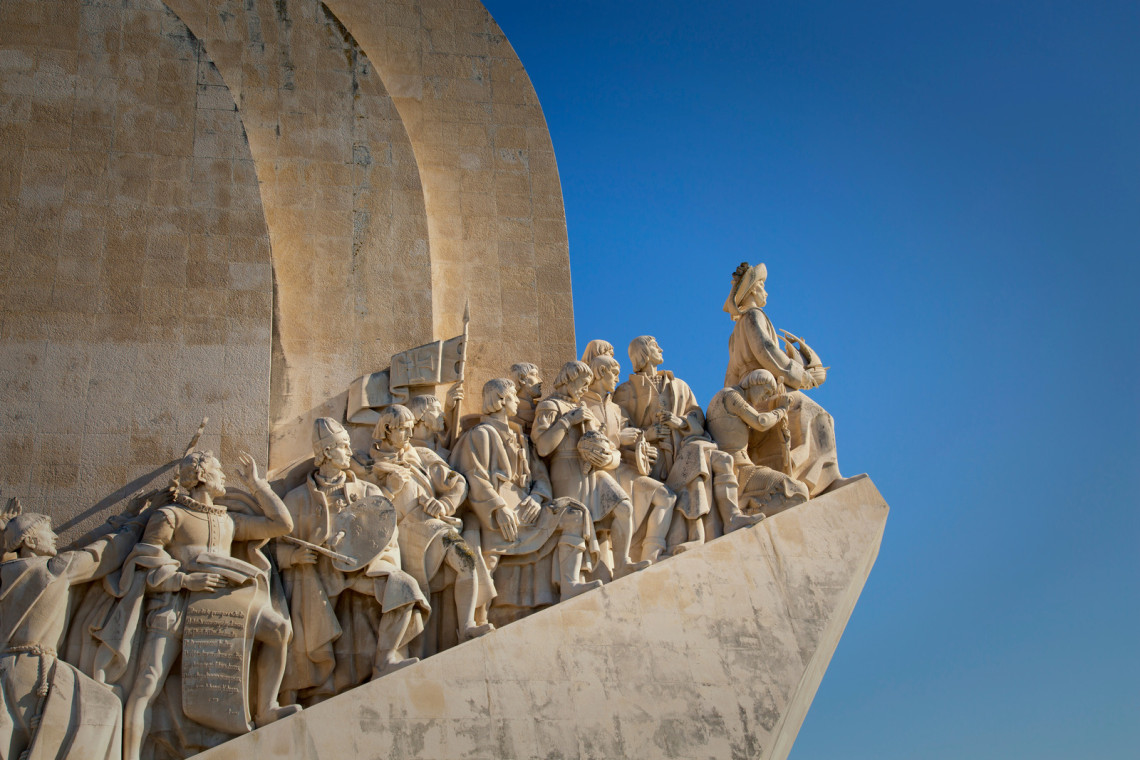
In the 15th and 16th centuries, Lisbon became the starting point of Portugal's sea voyages. Vasco da Gama sailed from here to India in 1497 and returned in 1499, opening the sea route to Asia, and Brazil was reached in 1500. The wealth of the spice trade paid for the Jerónimos Monastery and the Belém Tower, now on the UNESCO World Heritage list. This wealth also had a dark side. From the 15th century, Lisbon became the center of Portugal's slave trade: in 1486 the Crown created the Casa dos Escravos in Lisbon to control it, and historians estimate that in the 16th century about one in ten of the city's inhabitants was Black, enslaved or free.
Spanish Rule and Independence
In 1580, after a succession crisis, Philip II of Spain also became king of Portugal. Sixty years later, in 1640, a group of nobles in Lisbon restored Portugal's independence under King John IV.
1755: The Great Earthquake
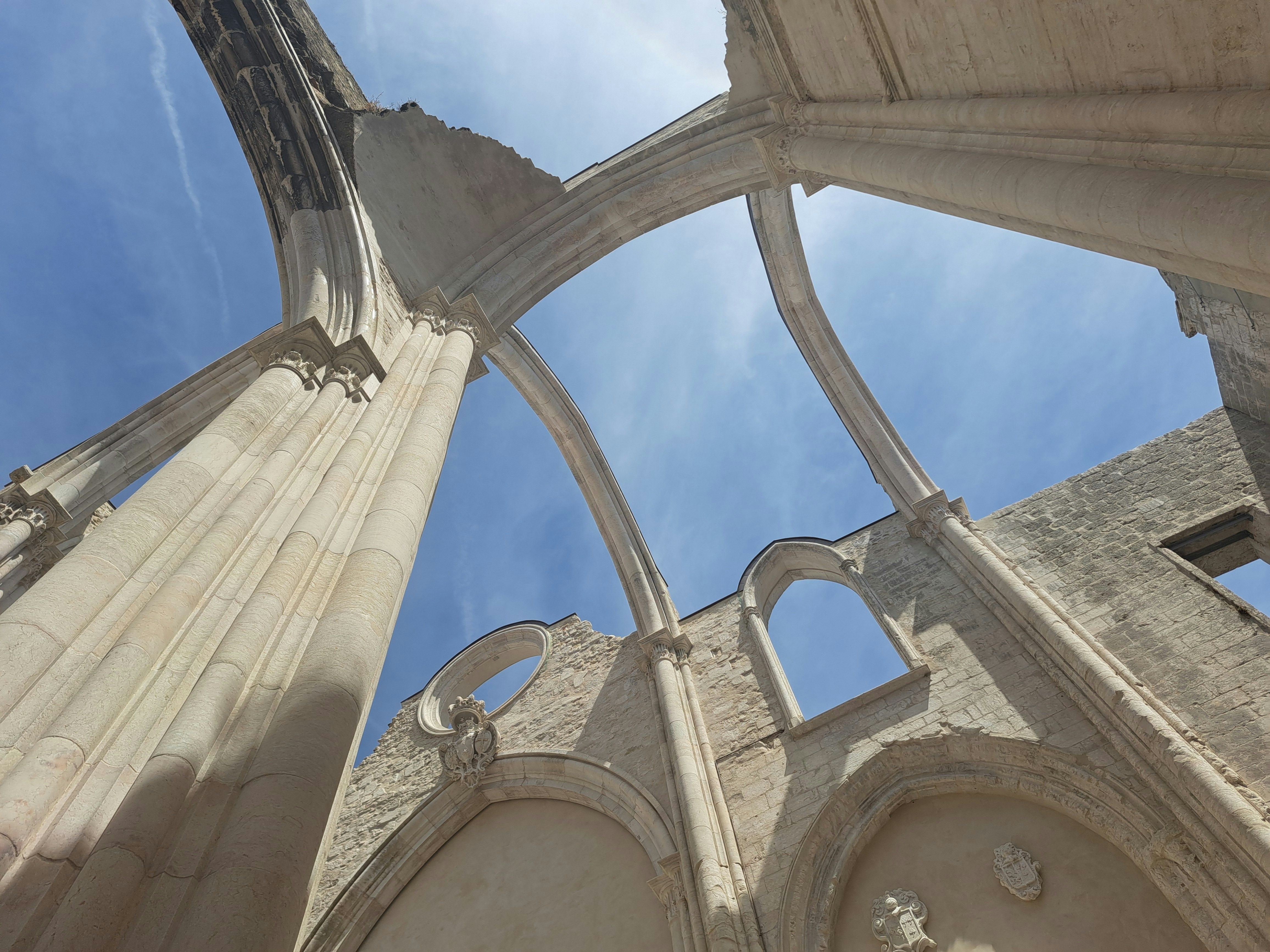
On the morning of 1 November 1755, All Saints' Day, a huge earthquake struck Lisbon. It was followed by a tsunami that flooded the riverside and fires that burned for hours. Historians estimate that 30,000 to 40,000 people died in Lisbon, out of a population of about 200,000, and most of the city's buildings were destroyed. The king's chief minister, later known as the Marquis of Pombal, led the rebuilding. The Baixa was cleared and laid out on a grid of straight streets, with buildings designed to resist future earthquakes, among the first of their kind in Europe.
From the French Invasions to the Republic
In late November 1807, the royal court sailed from Lisbon to Brazil, days before Napoleon's troops occupied the city at the start of the Peninsular War. In the 19th century, the country went through civil war and a constitutional monarchy. On 5 October 1910, a republican revolution in Lisbon ended the monarchy, A military coup in 1926 ended the First Republic, and in 1933 António de Oliveira Salazar established the Estado Novo, the dictatorship that lasted until 1974.
1974: The Carnation Revolution
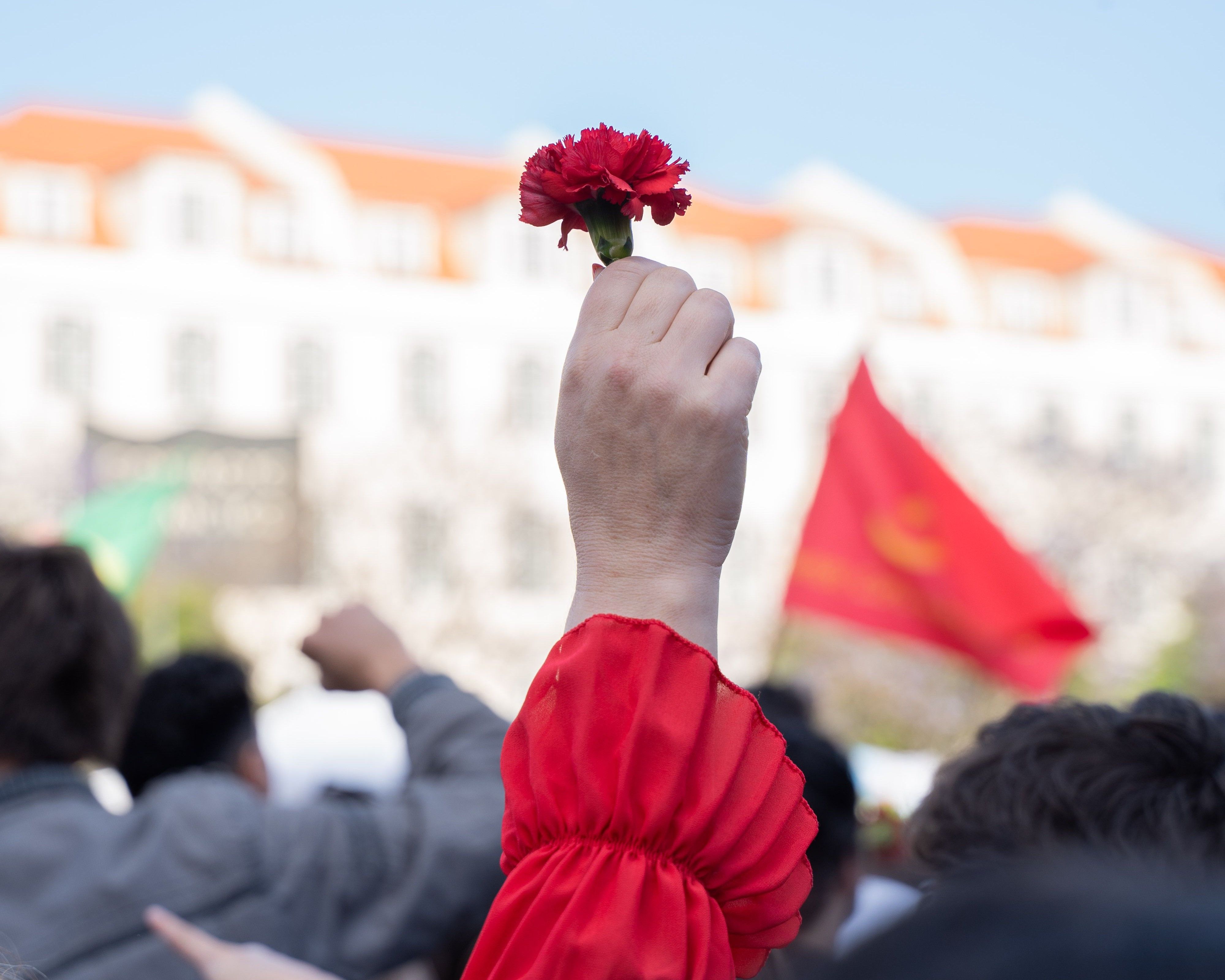
On 25 April 1974, a military coup that began in Lisbon brought down the Estado Novo. Crowds joined the soldiers in the streets, and the revolution took its name from the carnations that Celeste Caeiro, a restaurant worker, handed to soldiers near Rossio, who put them in the barrels of their guns. The revolution was largely peaceful, but four people were killed when the political police fired from their headquarters on the crowd.
Modern Lisbon
Portugal joined the European Communities in 1986. In 1998, Lisbon hosted Expo 98, the last world exposition of the 20th century, dedicated to the oceans. It transformed the eastern riverside into the Parque das Nações district and left the city the Oceanarium and the Vasco da Gama Bridge.
Lisbon's Culture
Fado
Fado is the music of Lisbon, songs of longing and fate sung to the Portuguese guitar. Its exact origins are unclear, but it grew up in the city's old neighborhoods, and Mouraria is considered one of its cradles. Maria Severa, who lived in Mouraria in the 19th century, is remembered as the first great fado singer, and Amália Rodrigues took fado around the world in the 20th century. In November 2011, UNESCO added fado to its list of Intangible Cultural Heritage. Today you can hear it in the fado houses of Alfama, Mouraria and Bairro Alto.
Azulejos
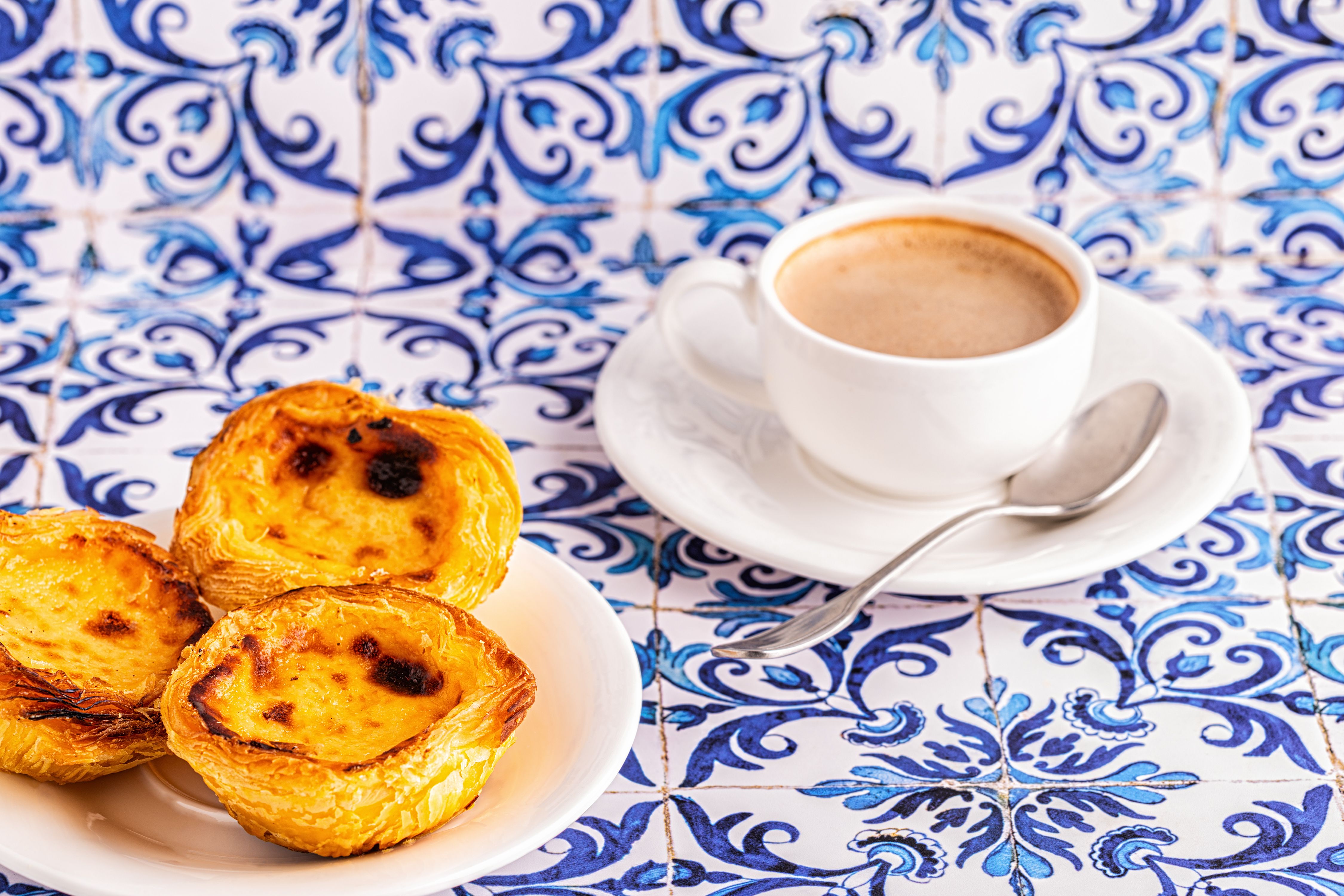
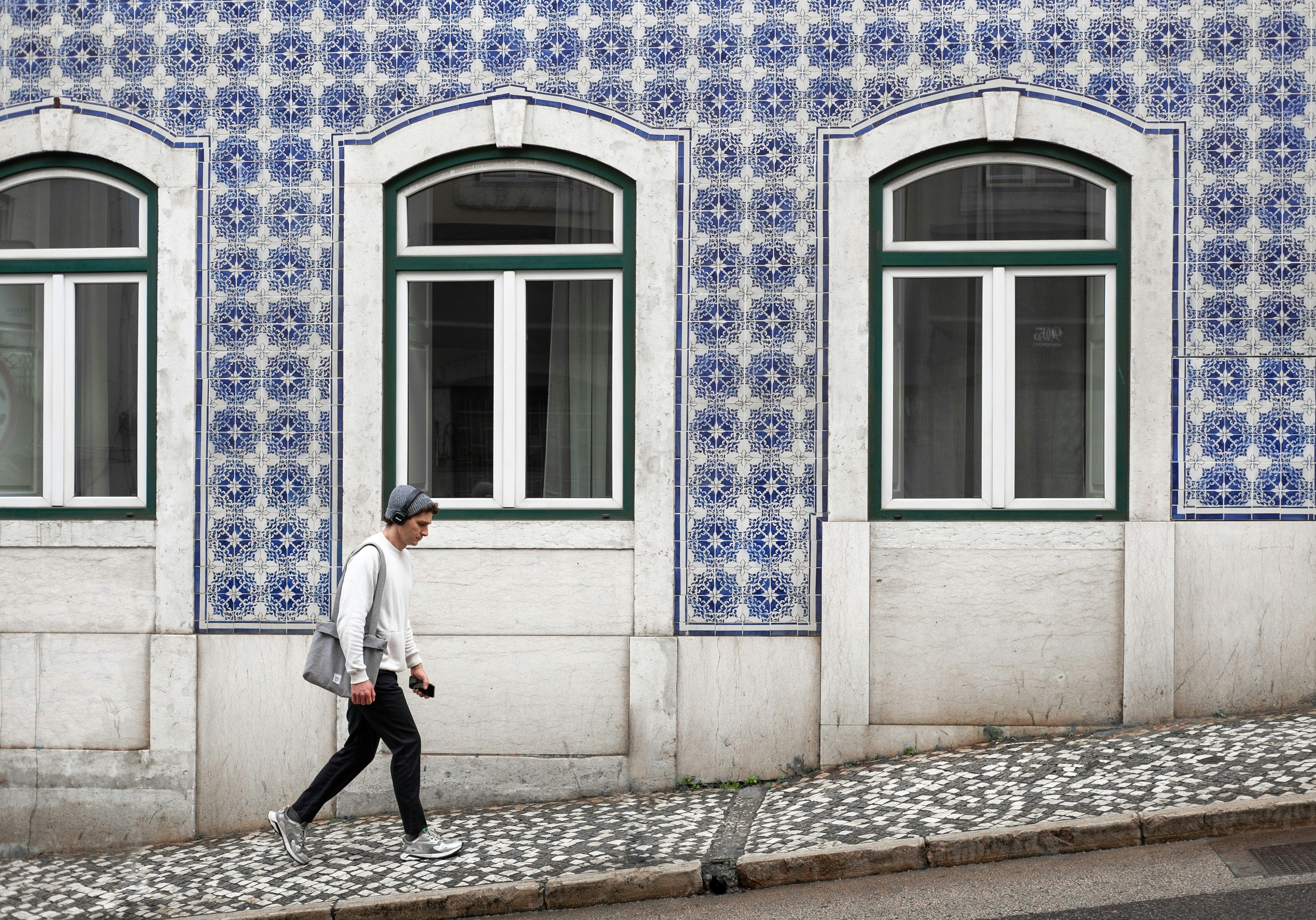
Azulejos, the painted ceramic tiles that cover churches, palaces and façades, have been part of Portuguese art since the 15th century. The word comes from Arabic, and the first tiles were imported from Seville. In the late 17th century, blue-and-white tiles became the fashion, and after the 1755 earthquake, simpler tiles were used to cover the new buildings of the Baixa. Look for them in churches, viewpoints like Santa Luzia, and even in metro stations.
Festivals and Traditions
Lisbon's patron saint is Saint Anthony, and 13 June is a city holiday. On the night before, the old neighborhoods fill with street parties, grilled sardines and the popular marches. Other traditions you will see everywhere are the calçada portuguesa, the black-and-white stone mosaic pavements, and the pastel de nata, the custard tart.