UNESCO Sites in and Near Lisbon
The UNESCO World Heritage Sites in and near Lisbon: Jerónimos and Belém Tower, Sintra, Mafra, Alcobaça, Batalha, Tomar and Évora, and how to visit.
November 10, 2023 • 6 min read
Must-See UNESCO World Heritage Sites in and Near Lisbon
UNESCO Sites in and Near Lisbon at a Glance
Travel times are approximate. Farther away, Elvas, a garrison town on the border with Spain listed in 2012, is a long day from Lisbon and better combined with a stay in the Alentejo.
UNESCO Sites in Lisbon
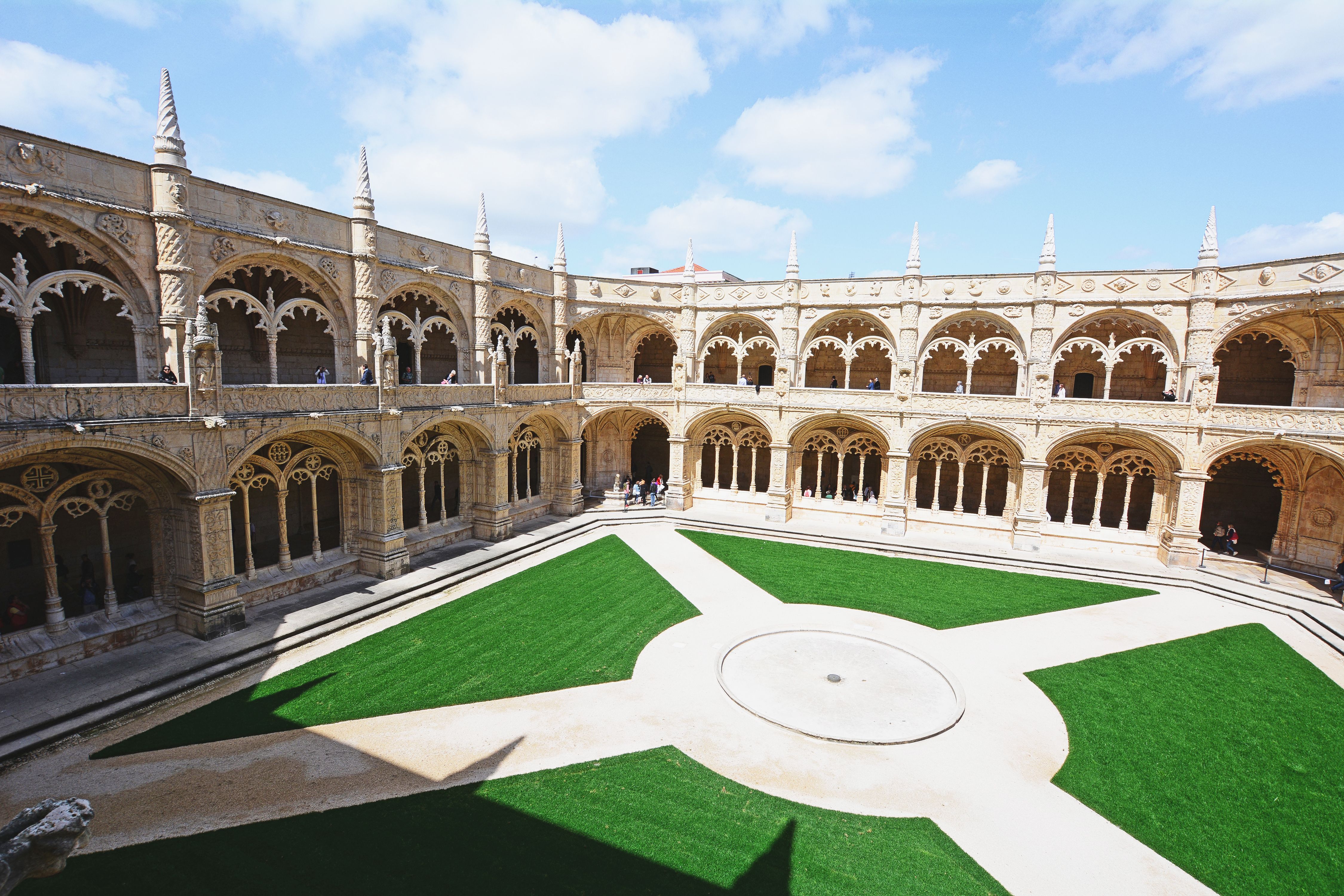
1. Jerónimos Monastery and Belém Tower
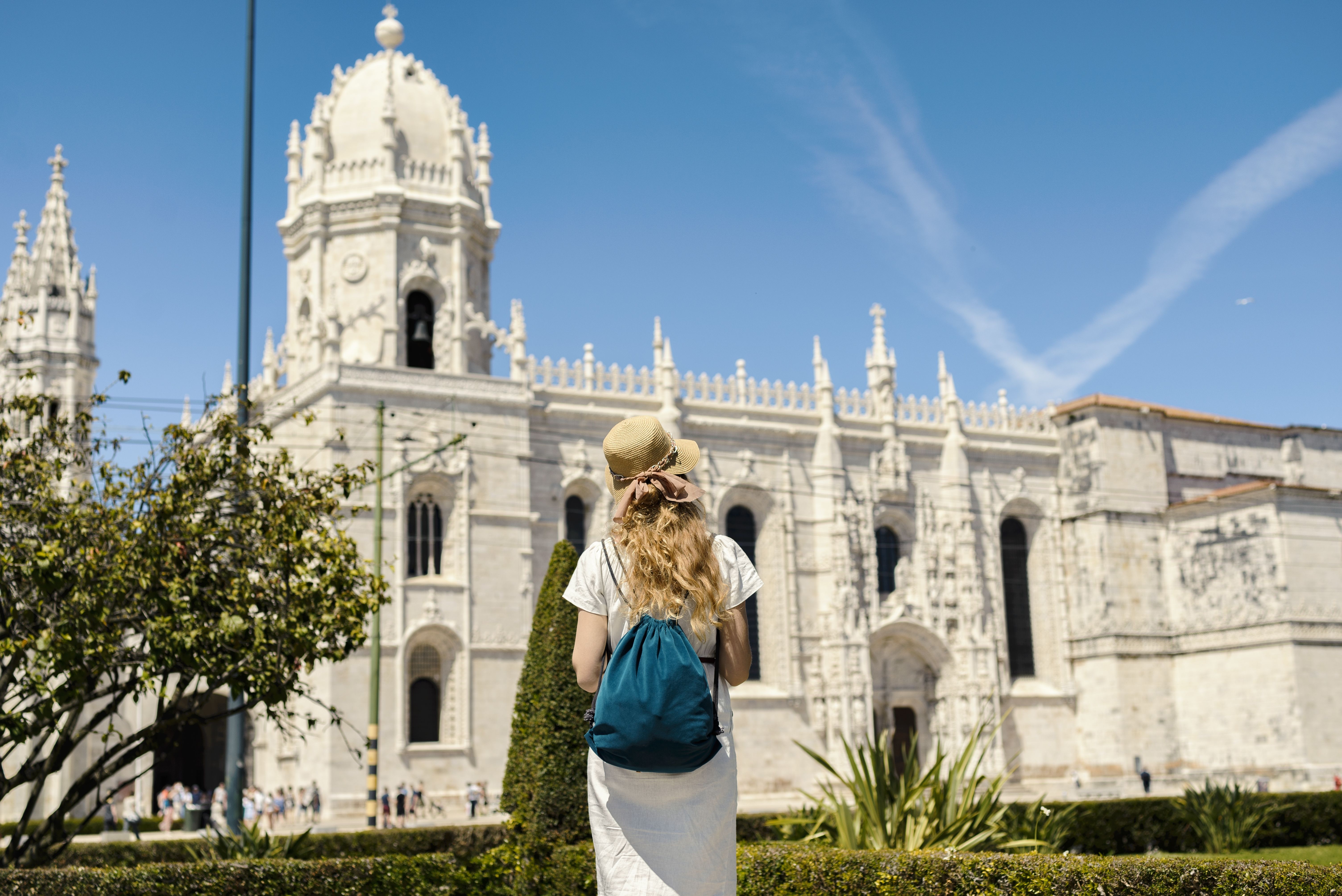
Listed together in 1983, these two monuments in Belém celebrate the Age of Discoveries, when Portuguese ships sailed from this stretch of the Tagus to Africa, India and Brazil.
The Jerónimos Monastery was commissioned by King Manuel I, and its construction began in 1501, on the site of a small chapel used by sailors, the Ermida do Restelo. It took about a century to finish and is a masterpiece of the Manueline style, with stone carvings of ropes, sea creatures and exotic plants. The navigator Vasco da Gama and the poet Luís de Camões have tombs in the church. Do not miss the two-story cloister.
The Belém Tower stands on the river nearby, a small fortress built in the early 16th century to guard the entrance to Lisbon's harbor. It reopened in May 2026 after a year of restoration, and visits now work with half-hour time slots, so book ahead.
Bonus: Fado
Fado, the music of Lisbon, has been on UNESCO's list of the Intangible Cultural Heritage of Humanity since 2011. You can hear it in the restaurants and fado houses of Alfama, Mouraria and Bairro Alto.
UNESCO Sites Near Lisbon
2. Cultural Landscape of Sintra
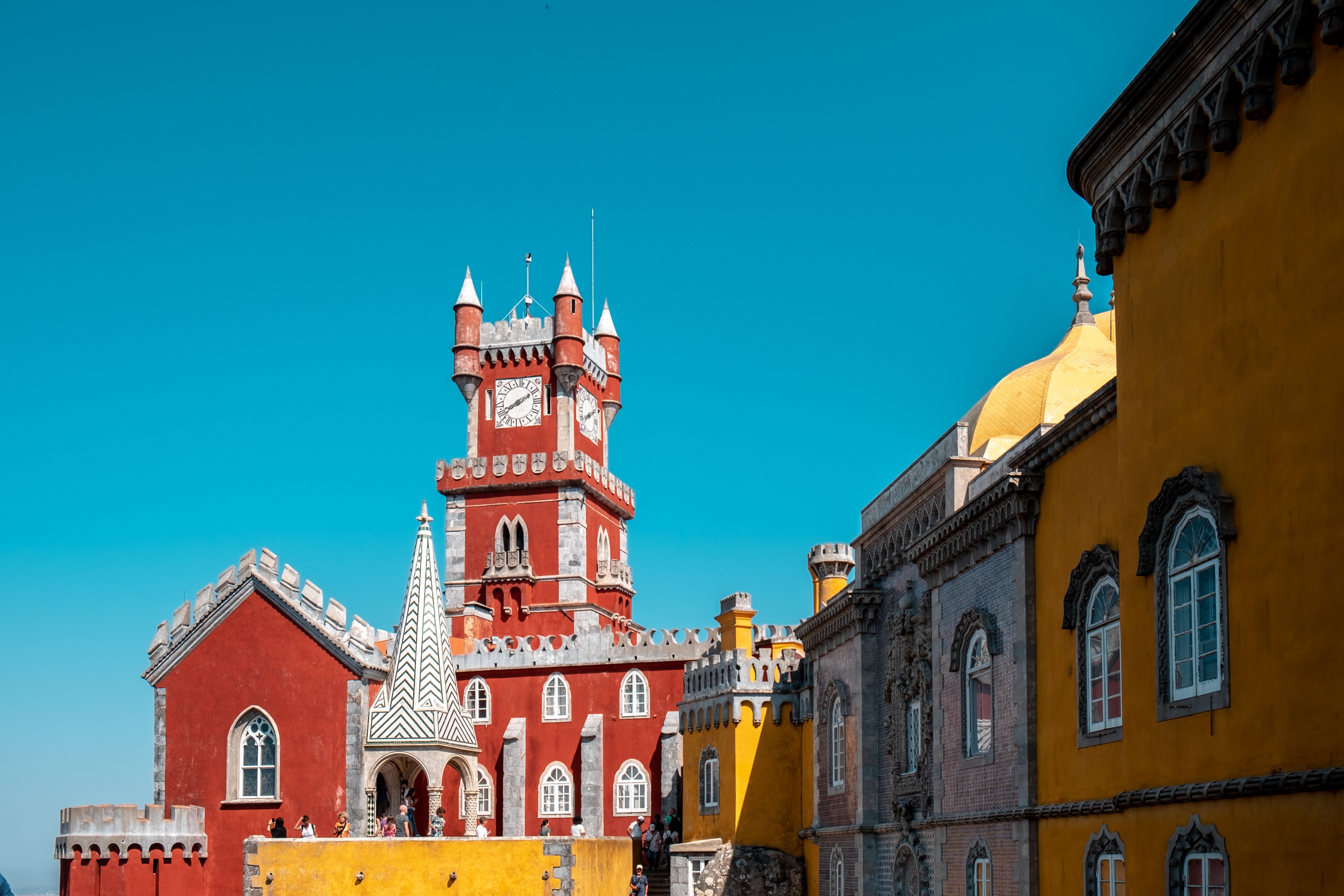
Listed in 1995, Sintra is protected as a whole landscape: the forested hills of the Serra de Sintra with its medieval castle, royal palaces and Romantic parks. Its highlights are Pena Palace, Quinta da Regaleira, the Moorish Castle, the Sintra National Palace and Monserrate. Trains from Rossio take about 40 minutes.
3. Royal Building of Mafra
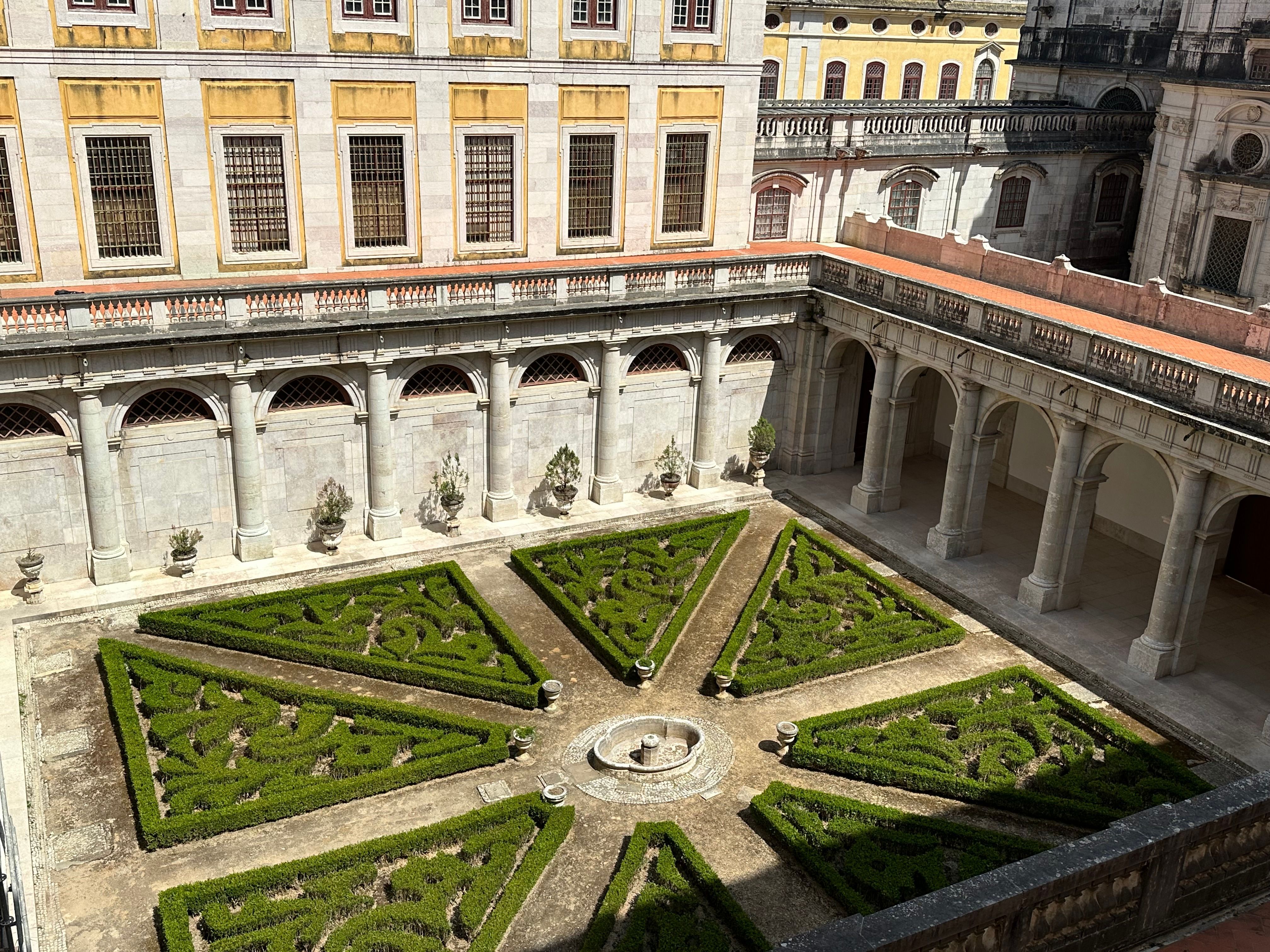
About 30 km north of Lisbon, the Royal Building of Mafra was added to the list in 2019. Built for King John V from 1717, to a design by the German architect João Frederico Ludovice, it combines a palace, a basilica and a Franciscan convent, with the Cerco garden and the Tapada hunting park. Its highlights are the Baroque library, with tens of thousands of rare books, and the two carillons in the basilica towers. Mafra is easy to combine with Sintra or the surf town of Ericeira by car.
4. Monastery of Alcobaça
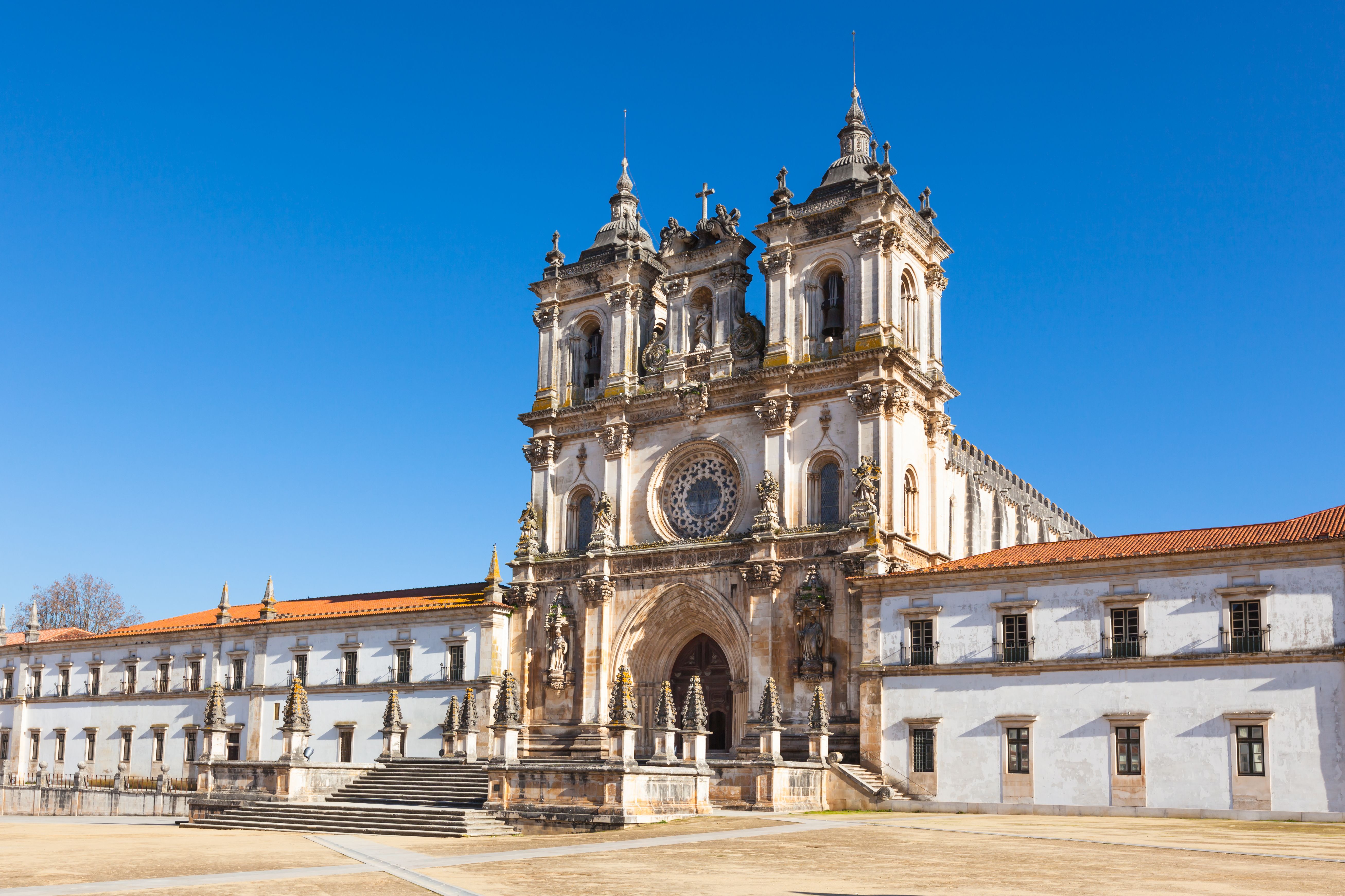
Listed in 1989, the Monastery of Santa Maria de Alcobaça was founded in the 12th century for the Cistercian order by Portugal's first king, Afonso Henriques. Its church is one of the first great Gothic buildings in Portugal, tall and almost bare inside. It holds the tombs of King Pedro I and Inês de Castro, whose tragic love story is one of the best known in Portuguese history.
5. Monastery of Batalha
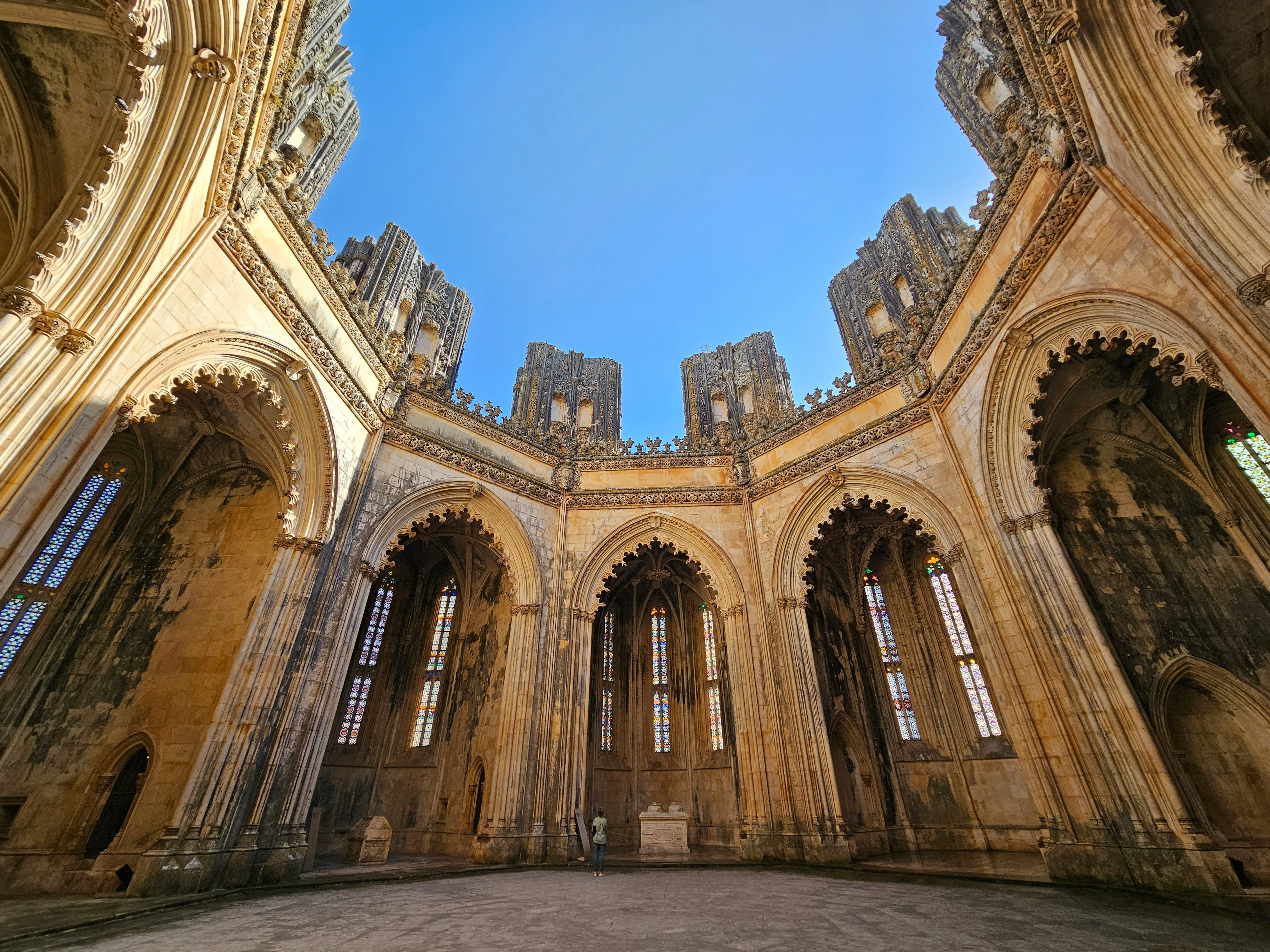
Listed in 1983, the Monastery of Batalha was built to give thanks for the Portuguese victory over Castile at the Battle of Aljubarrota in 1385. It is a masterpiece of Portuguese Gothic, with later Manueline decoration. Look for the Founder's Chapel, the Royal Cloister and the Unfinished Chapels, open to the sky.
Combine them. Alcobaça and Batalha are close to each other and to Óbidos, Nazaré and Fátima, so a day trip by car or on a tour can include several of them.
6. Convent of Christ, Tomar
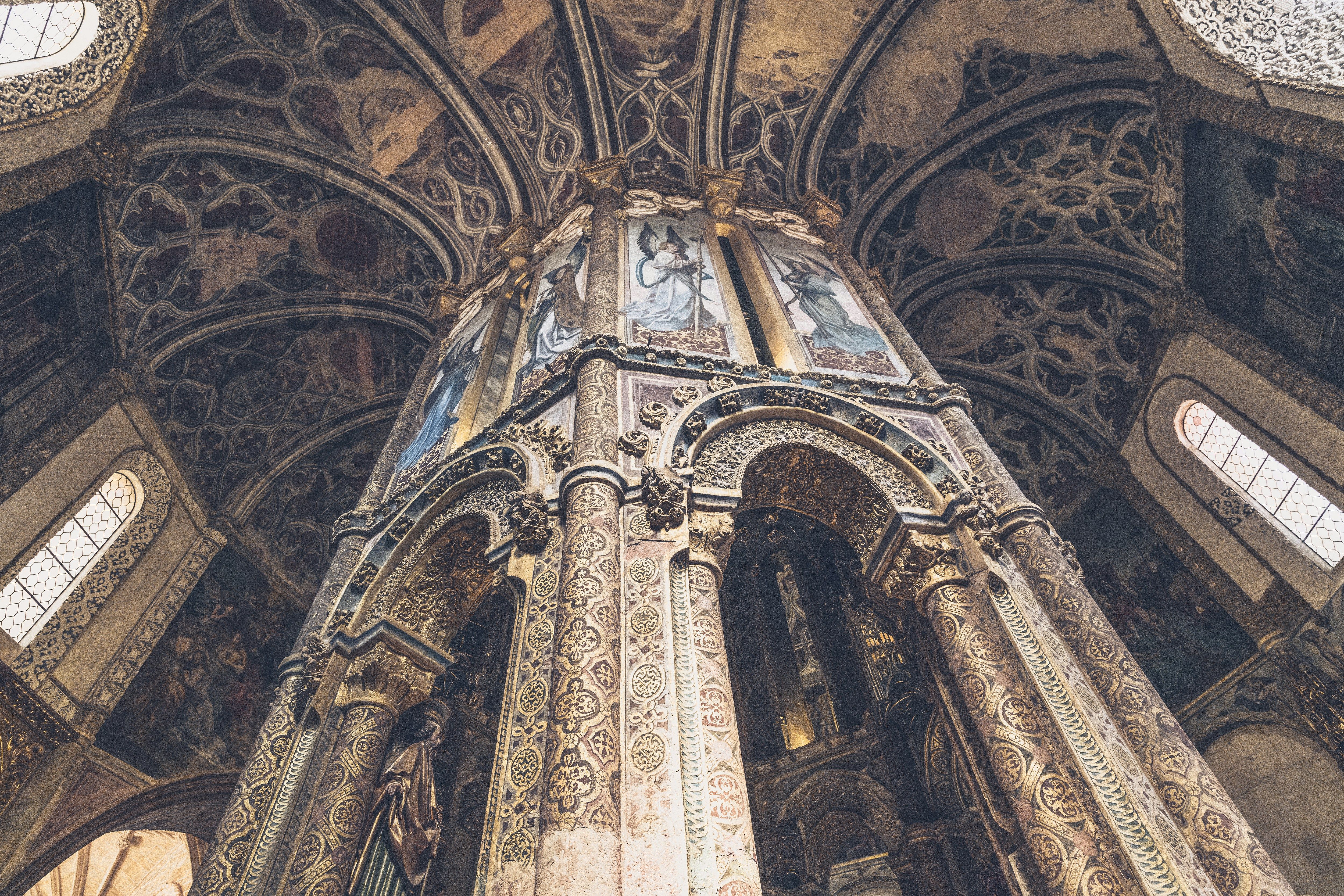
Listed in 1983, the Convent of Christ in Tomar began as a castle of the Knights Templar in the 12th century and became the headquarters of the Order of Christ, which succeeded them in Portugal. Its round Templar church, the Charola, and the Manueline window of the chapter house are among the most remarkable sights in the country. Tomar is about two hours from Lisbon.
7. Historic Centre of Évora
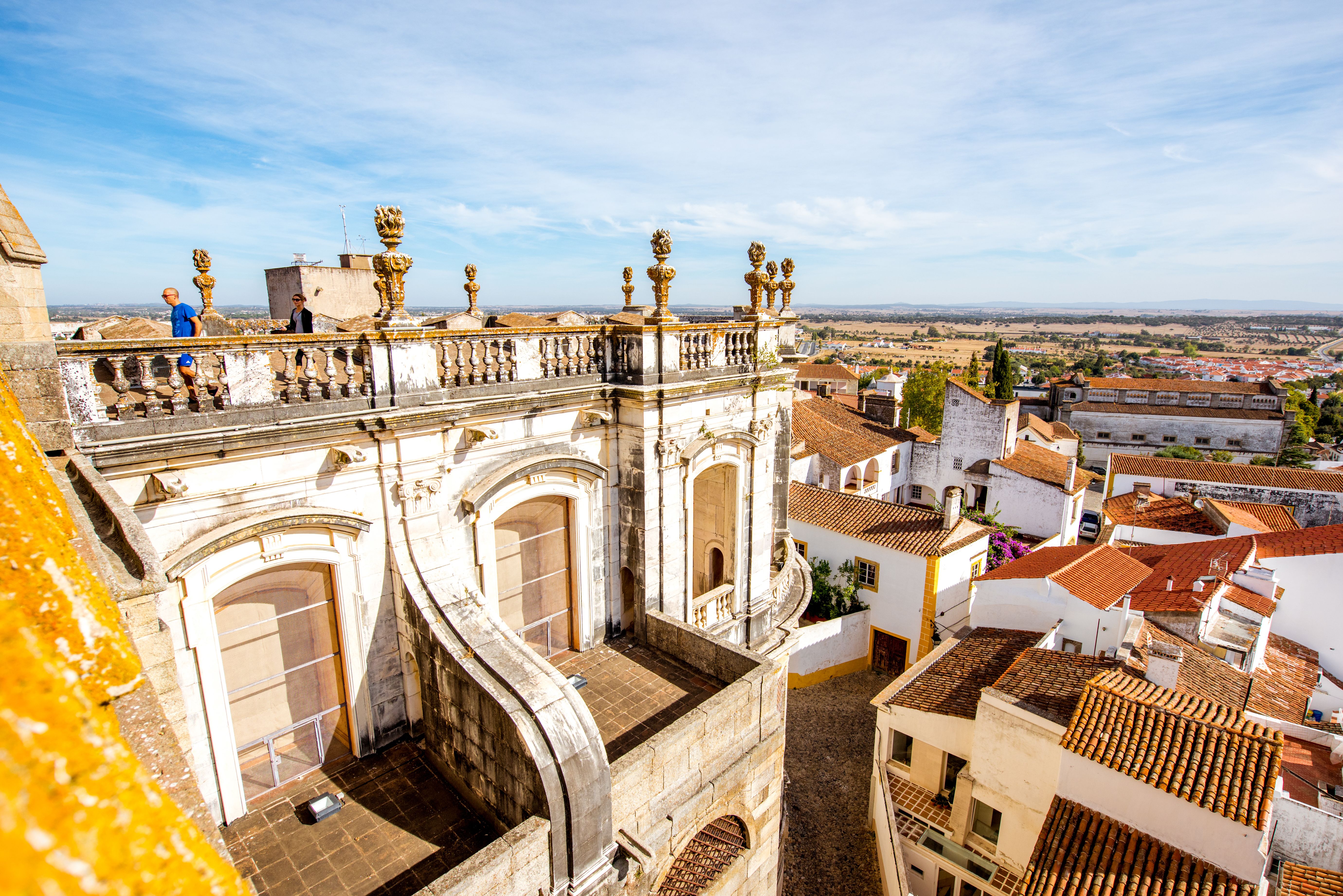
Listed in 1986, the center of Évora, the main city of the Alentejo, has buildings from many periods inside its old walls: the Roman Temple, the Cathedral, whitewashed streets and the Chapel of Bones in the Church of São Francisco. Trains from Lisbon take about an hour and a half to two hours, and the city is also the gateway to the Alentejo's vineyards.
How to Plan Your UNESCO Day Trips from Lisbon
- Book timed tickets. The Belém Tower and Pena Palace in Sintra use time slots in high season.
- Start early. Belém and Sintra are busiest from mid-morning.
- Check opening days. Many monuments close on Mondays or on some public holidays, so check before you go.