Algarve Nature: Natural Parks, Reserves & Wild Coast
The Algarve's natural parks and reserves: Ria Formosa, the Vicentine Coast, Monchique, Rocha da Pena, Castro Marim and the sea caves, and how to see them.
January 4, 2023 • 7 min read
Algarve Nature: Natural Parks, Reserves & Wild Coast
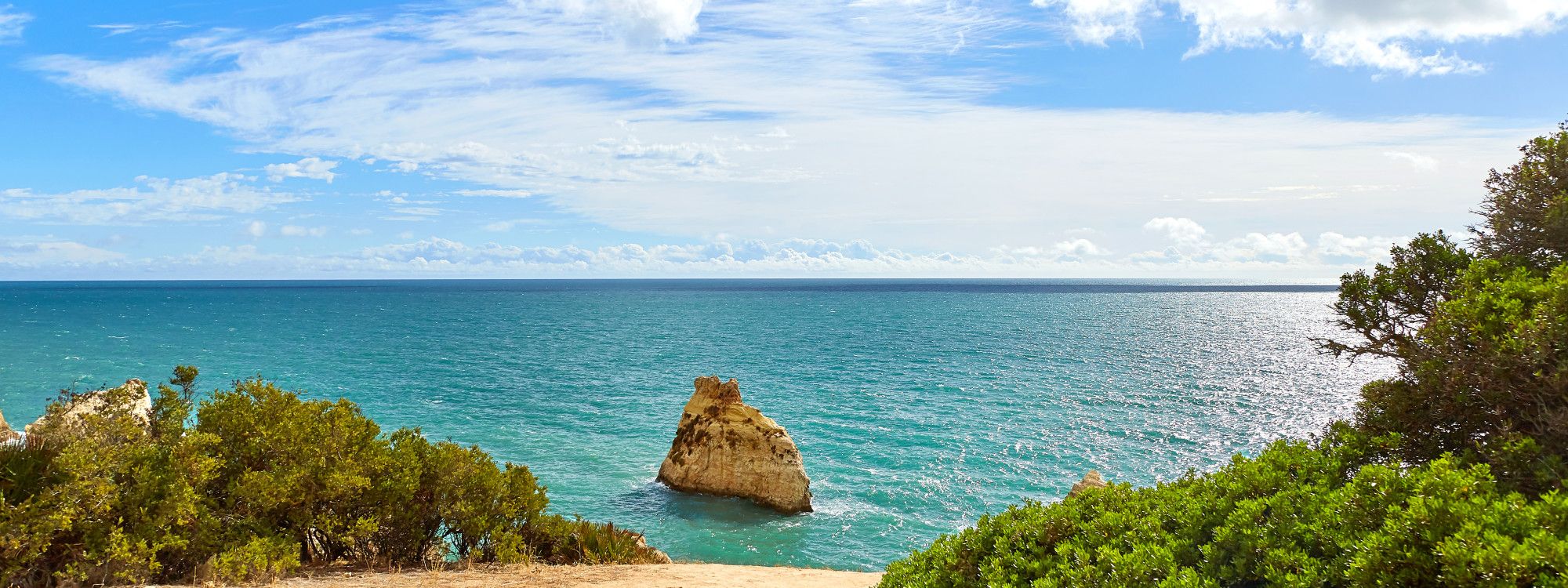
Beyond its beaches, the Algarve has two natural parks, the Ria Formosa lagoon in the east and the Southwest Alentejo and Vicentine Coast in the west, plus nature reserves, protected landscapes and a marine park. Add the sea caves and cliffs of the central coast and the hills of Monchique and the Barrocal, and you have lagoons, wild Atlantic coast, mountains and limestone plateaus within a short drive of each other.
This guide covers the Algarve's main protected areas and natural sights, what to do in each and the tours that take you there.
The Algarve's Natural Areas at a Glance
| Area | Type | Where | Best for |
|---|---|---|---|
| Ria Formosa | Natural park | Faro to Cacela Velha | Island beaches, birdwatching, boat trips |
| Southwest Alentejo and Vicentine Coast | Natural park | Burgau to the Alentejo | Wild beaches, surfing, cliff walks |
| Central coast sea caves | Coastline and marine park | Lagos to Albufeira | Benagil, Ponta da Piedade, kayaking |
| Serra de Monchique | Mountain range | North of Portimão | Views from Fóia, hiking, spa town |
| Rocha da Pena | Protected landscape | Near Salir, Loulé | Easy hike to a limestone plateau |
| Castro Marim and VRSA marshes | Nature reserve | Mouth of the Guadiana | Salt pans and wading birds |
Is There a National Park in the Algarve?
No. Portugal's only national park is Peneda-Gerês, in the far north. The Algarve's largest protected areas are natural parks, a different category under Portuguese law, along with a nature reserve, local protected landscapes and a marine park.
Natural Parks and Reserves
1. Ria Formosa Natural Park
The Ria Formosa is a lagoon of channels, salt marshes and sandbanks protected by a chain of barrier islands, including Barreta (Ilha Deserta), Culatra, Armona, Tavira and Cacela. It became a natural park in 1978, and in 2010 it was voted one of the Seven Natural Wonders of Portugal. It is a migratory corridor for tens of thousands of birds a year. Explore it by boat from Faro or Olhão, walk the trails at Quinta de Marim near Olhão, or take a ferry to the island beaches.
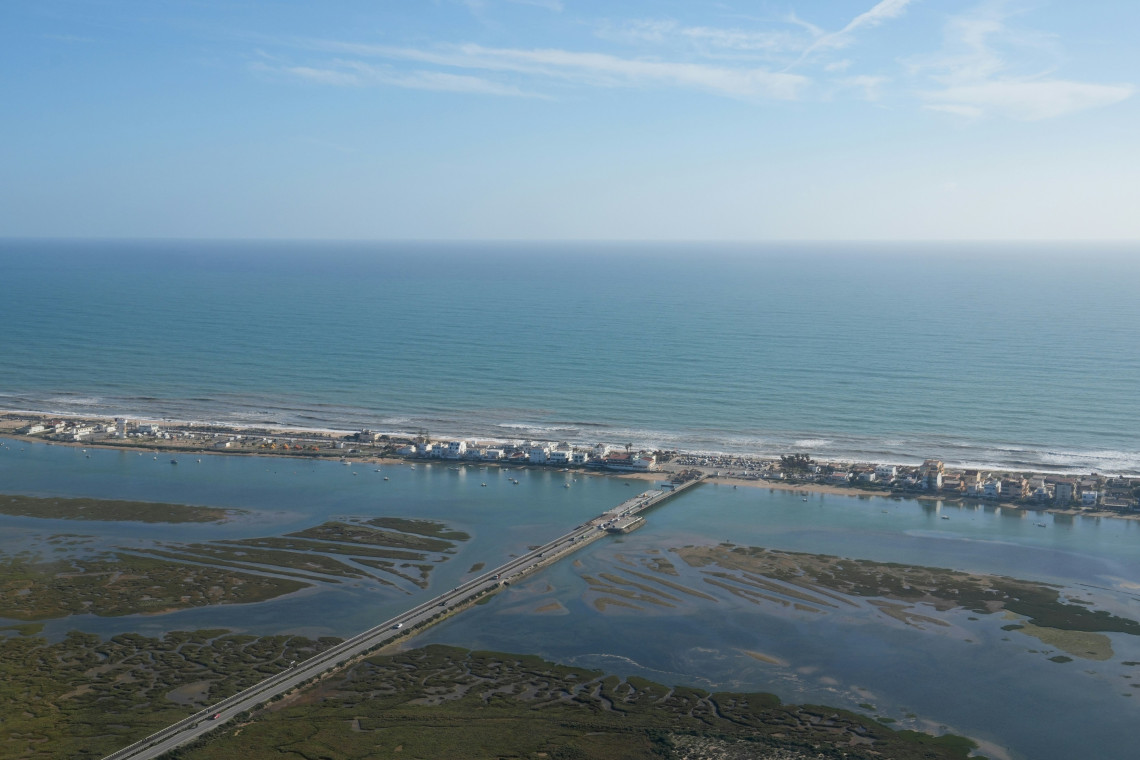
????️ RIA FORMOSA 3 ISLANDS TOUR
A boat tour from Olhão through the Ria Formosa lagoon, stopping at three islands, including Armona or Deserta and Culatra.
See the islands tour →2. Southwest Alentejo and Vicentine Coast Natural Park
Created in 1988, this natural park covers almost 900 km² of land and sea along the west coast, from the Alentejo down to the south-west tip of the Algarve. It is one of the last stretches of wild coast in Europe, with high cliffs, empty beaches such as Bordeira, Amado and Arrifana, and more than 12 endemic plant species. The Rota Vicentina trail network runs through it, including the Fishermen's Trail along the clifftops.
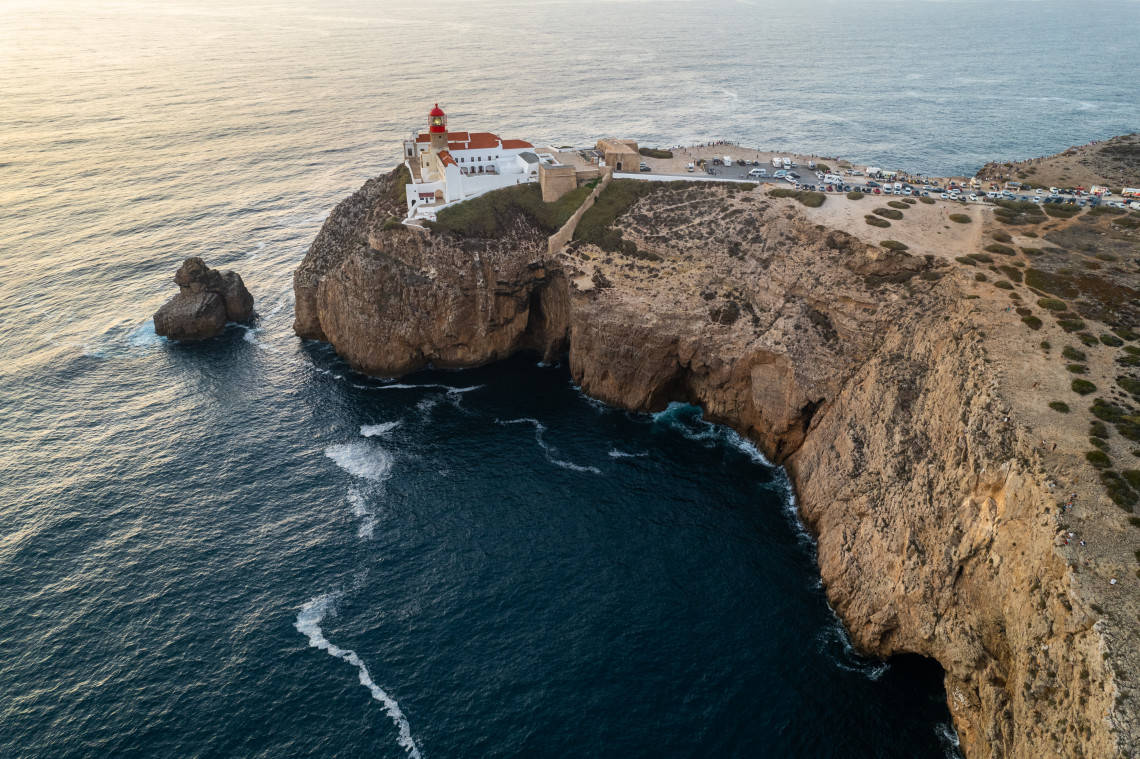
3. Cape St Vincent and Sagres
At the south-western tip of mainland Europe, the cliffs of Cabo de São Vicente and the Sagres headland drop straight into the Atlantic. In autumn, the area is one of the best places in Portugal to watch migrating birds of prey pass overhead. Come for sunset at the lighthouse.
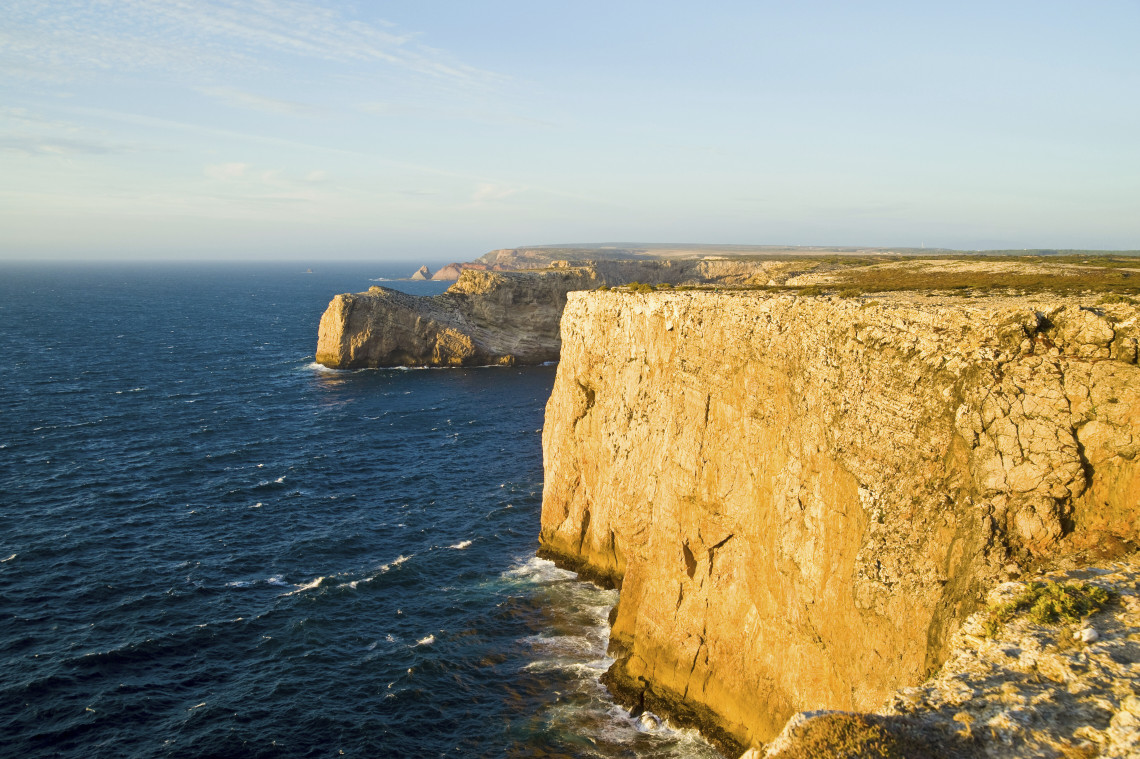
GRAND LAGOS AND CAPE ST VINCENT TOUR
A full-day guided tour of Lagos, Sagres and Cape St Vincent, with time at Ponta da Piedade and the old town of Lagos.
See the tour →4. Castro Marim and Vila Real de Santo António Marsh Nature Reserve
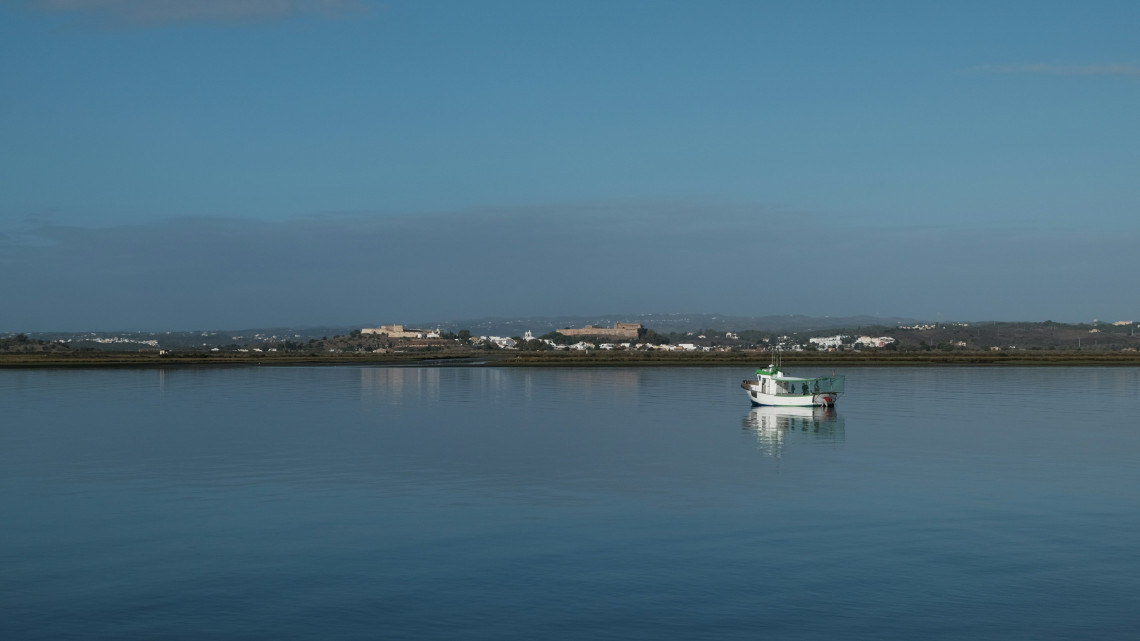
Created in 1975, this was the first nature reserve in Portugal. It protects salt marshes, salt pans and estuaries at the mouth of the Guadiana river, on the border with Spain, and is a good place to see wading birds. Combine it with the castle of Castro Marim, which overlooks the marshes.
5. Rocha da Pena
Rocha da Pena, near Salir in the municipality of Loulé, is a limestone ridge protected as a local landscape of about 672 hectares. A circular trail of 6.7 km, rated easy and taking about two hours, climbs to a viewpoint at 479 metres above the Barrocal, the hilly limestone belt between the coast and the mountains.
The Coast: Caves, Cliffs and the Marine Park
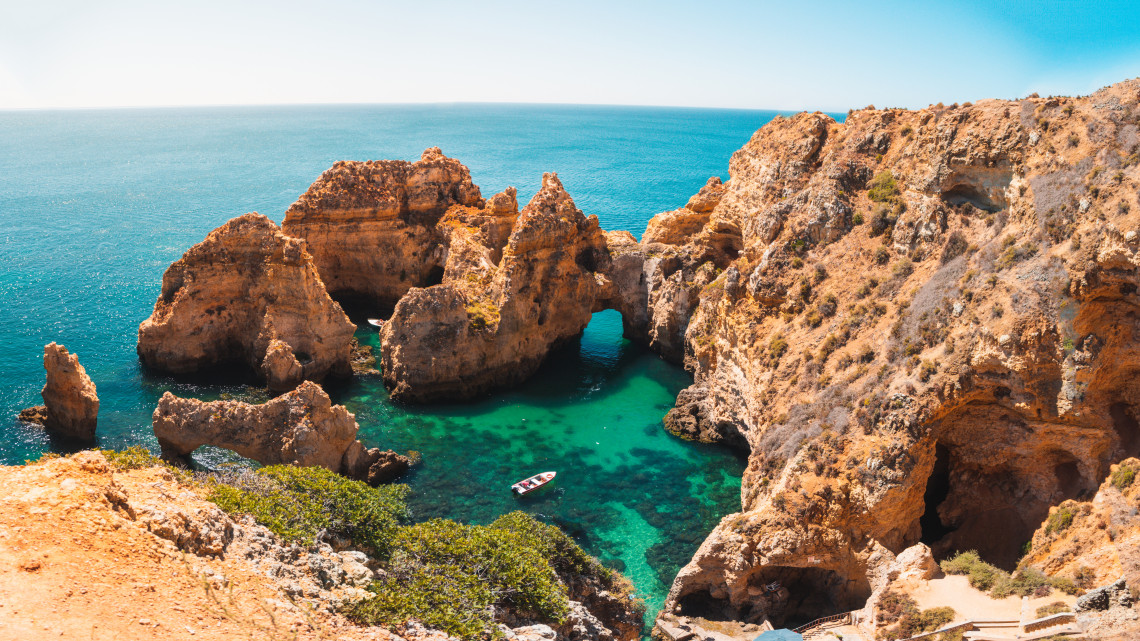
6. Benagil and the sea caves
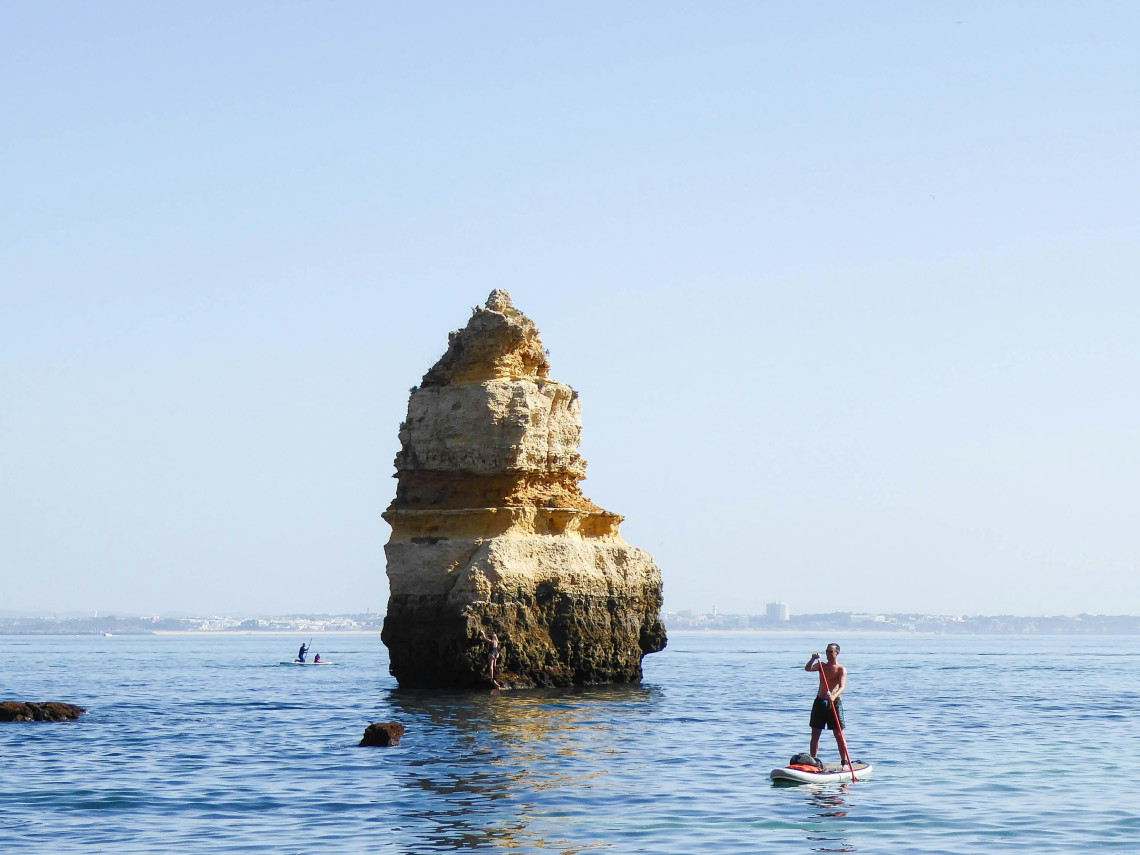
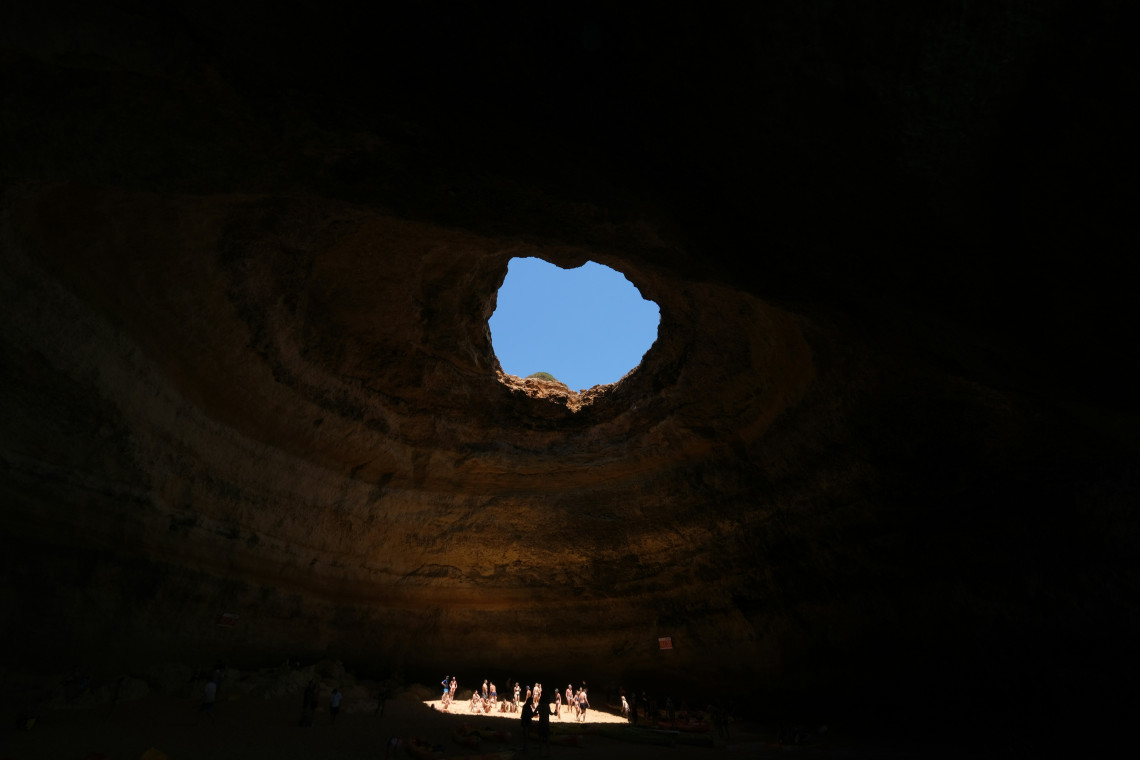
The stretch of coast between Lagos and Albufeira is carved into sea caves, arches and stacks. Benagil Cave, with its round opening in the roof, is the most famous. Part of this coast lies within the Algarve marine natural park (Parque Natural Marinho do Recife do Algarve, Pedra do Valado), and since August 2024 swimming into Benagil Cave and landing on its beach are banned. Visit on a licensed boat, kayak or paddleboard tour.
Caves and coast
7. Ponta da Piedade
Just south of Lagos, Ponta da Piedade is a headland of golden limestone arches, grottoes and sea stacks, with a clifftop boardwalk and a staircase of 202 steps down to the water. The best views are from a small boat or kayak.
8. The Seven Hanging Valleys trail
The Percurso dos Sete Vales Suspensos runs for about 6 km between Praia de Vale Centeanes and Praia da Marinha, passing small valleys that drop to the sea, viewpoints and the opening above Benagil Cave.
BENAGIL AND MARINHA ON FOOT
A 5-hour guided walk from Algar Seco to Benagil and Praia da Marinha along the Seven Hanging Valleys trail, with views over Benagil Cave from the clifftop.
See the walking tour →9. Ria de Alvor
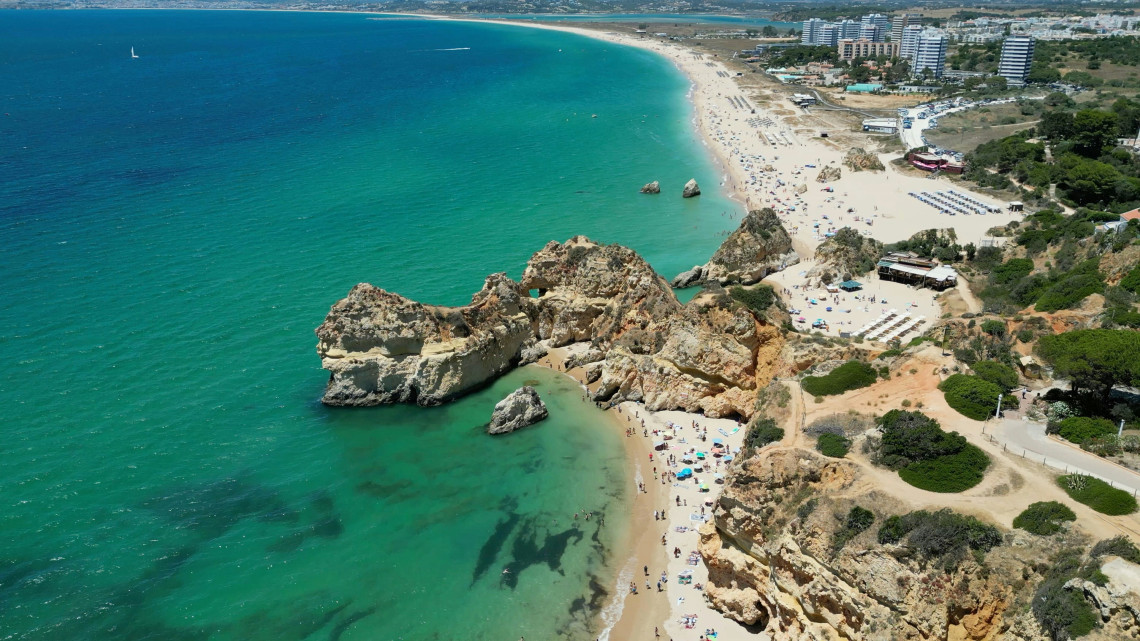
The estuary of the Alvor river, between Portimão and Lagos, is a smaller lagoon of dunes, salt marshes and sandbanks, crossed by a boardwalk from Alvor village. It is a quiet spot for walking and birdwatching close to the resorts.
The Hills: Monchique and the Interior
10. Serra de Monchique
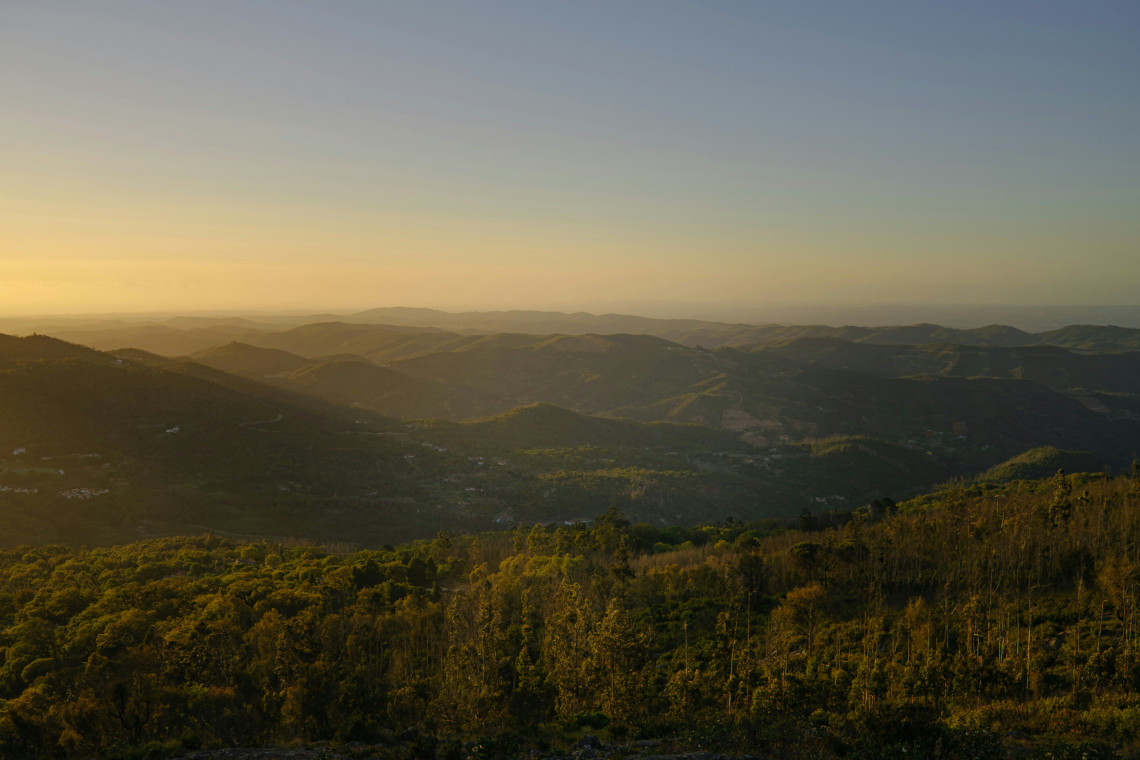
The Serra de Monchique rises behind Portimão to Fóia, at 902 metres the highest point in the Algarve, with views to the coast on clear days. The hills are covered in cork oaks, eucalyptus and strawberry trees, whose fruit is distilled into medronho. The spa village of Caldas de Monchique has been known for its thermal waters since Roman times.
SILVES AND MONCHIQUE TOUR
A full-day guided tour to the castle town of Silves and the Serra de Monchique, with the views from Fóia.
See the tour →11. The Via Algarviana
For long-distance walkers, the Via Algarviana (GR13) crosses the interior of the Algarve for more than 300 km in 14 stages, from Alcoutim on the Guadiana to Cape St Vincent. Spring and autumn are the best seasons to walk it.
How to Explore the Algarve's Nature
- By boat: the easiest way to see the Ria Formosa, the sea caves and dolphins.
- On foot: clifftop paths on the central coast, the Rota Vicentina in the west, Rocha da Pena and the Via Algarviana inland.
- By kayak or paddleboard: guided tours for the caves and calm lagoon channels.
- By jeep: half-day and full-day tours on back roads through the hills.
- When to go: spring and autumn are best for hiking. Avoid long walks in the hills in high summer, when it is hot and wildfire risk can be high.
More outdoor tours
ALGARVE ESSENTIAL PACKAGE
Flights, hotel and airport transfers in the Algarve, with time to add a Ria Formosa boat trip, a cave tour or a walk in the hills.
See the Algarve package →Plan it your way
Custom Your Trip
Tell our local travel advisors which towns, dates and experiences you want and we build the Algarve trip around you, nature tours included.
Start your custom trip →Limited time
Portugal Packages On Sale
Flights, hotels and rental car bundled at reduced prices. See every package currently on sale and book while it lasts.
Book now →