Lisbon to Porto Road Trip: Best Stops
Lisbon to Porto road trip: the best stops, from Óbidos and Nazaré to Tomar and Coimbra, with driving times, 2 to 5 day plans and driving tips.
January 6, 2026 • 8 min read
Lisbon to Porto Road Trip: Best Stops
The Route at a Glance
Driving times are approximate and do not include traffic or stops.
You will not fit every stop into one trip. Pick the coast (Óbidos, Nazaré, Aveiro), the monasteries (Alcobaça, Batalha, Tomar) or a mix, and leave time to walk around each one.
The Best Stops Between Lisbon and Porto
Óbidos
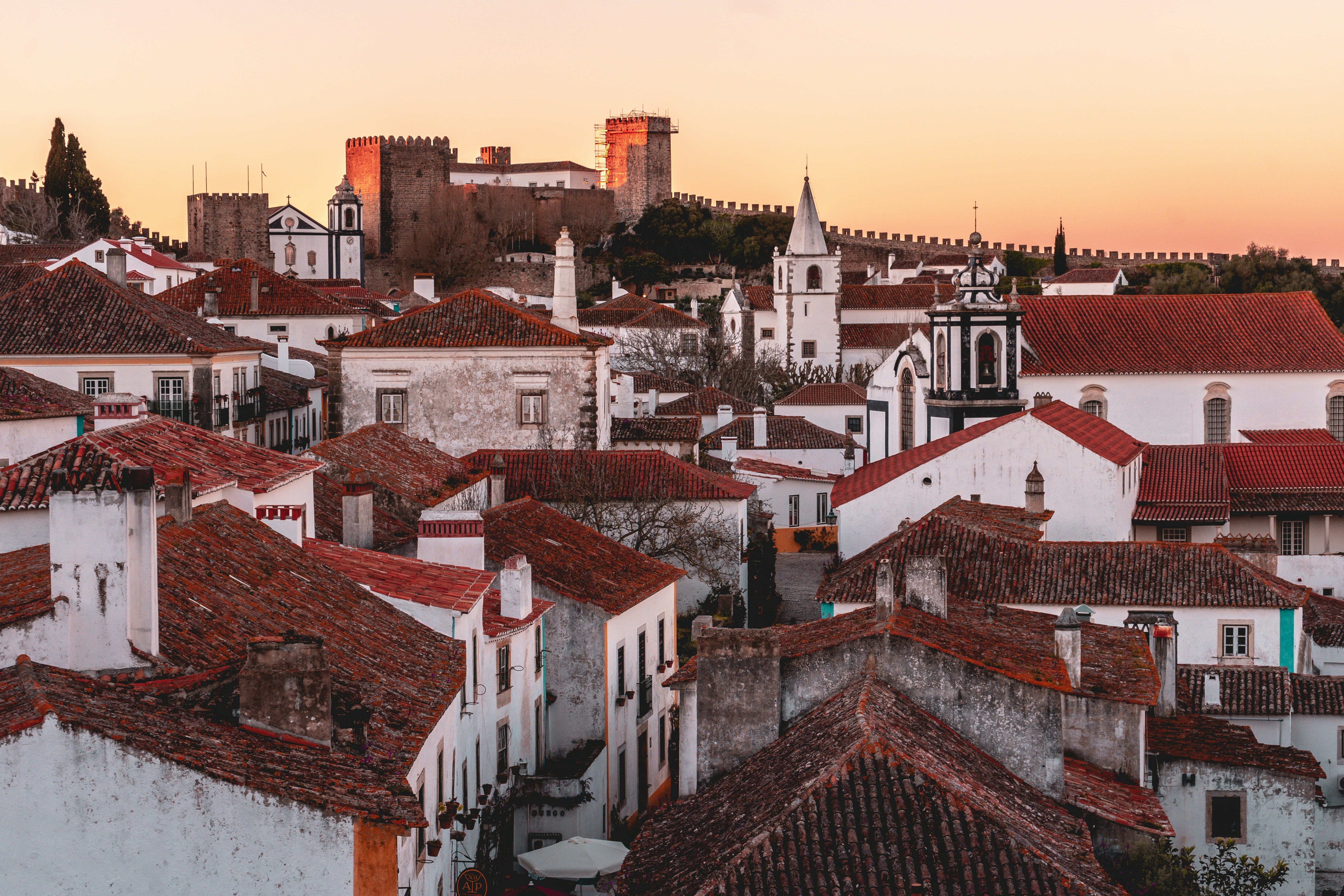
Óbidos is a small town inside medieval walls, with whitewashed houses and flower-filled streets. In 1282, King Dinis gave it to Queen Isabel as a wedding gift, and it stayed part of the dowry of Portuguese queens for centuries. Try ginjinha, the local cherry liqueur, served in a small chocolate cup. In December, the town holds a Christmas village with markets and lights.
Parking: use the car parks outside the Porta da Vila gate or by the tourist office, a few minutes' walk from the center. The streets inside the walls are narrow and best explored on foot.
Nazaré
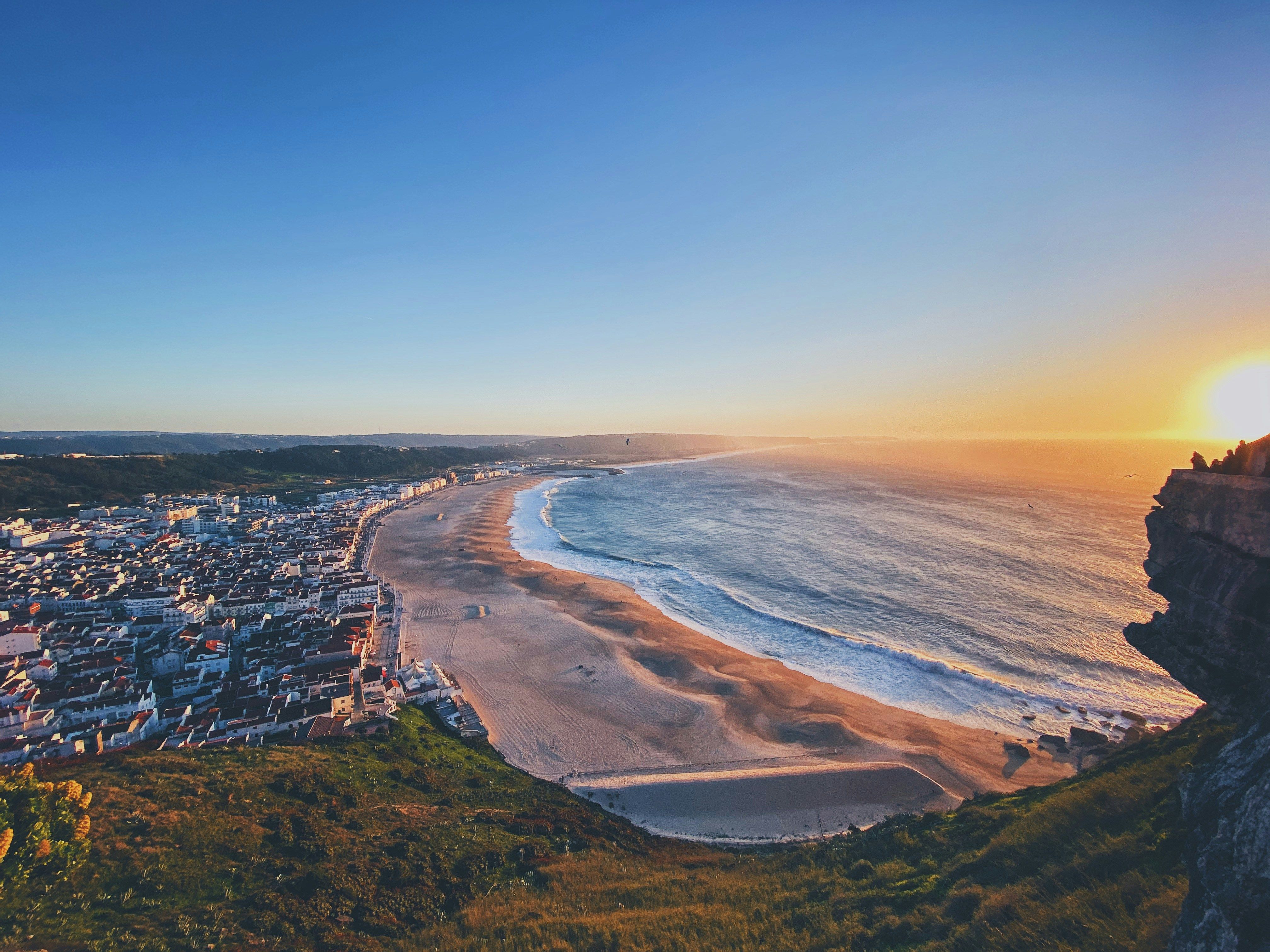
Nazaré is a fishing town with a long beach and the famous big waves of Praia do Norte. From about October to March, Atlantic swells meet an underwater canyon and build some of the biggest waves ever surfed: in October 2020, Sebastian Steudtner rode a 26.21-meter (86-foot) wave here, a Guinness World Record. Watch from the lighthouse at the Sítio, the old upper town, reached by a funicular or a footpath.
Parking: the Sítio fills up fast. If it is full, park near Praia do Norte or in the lower town and take the funicular up.
Alcobaça
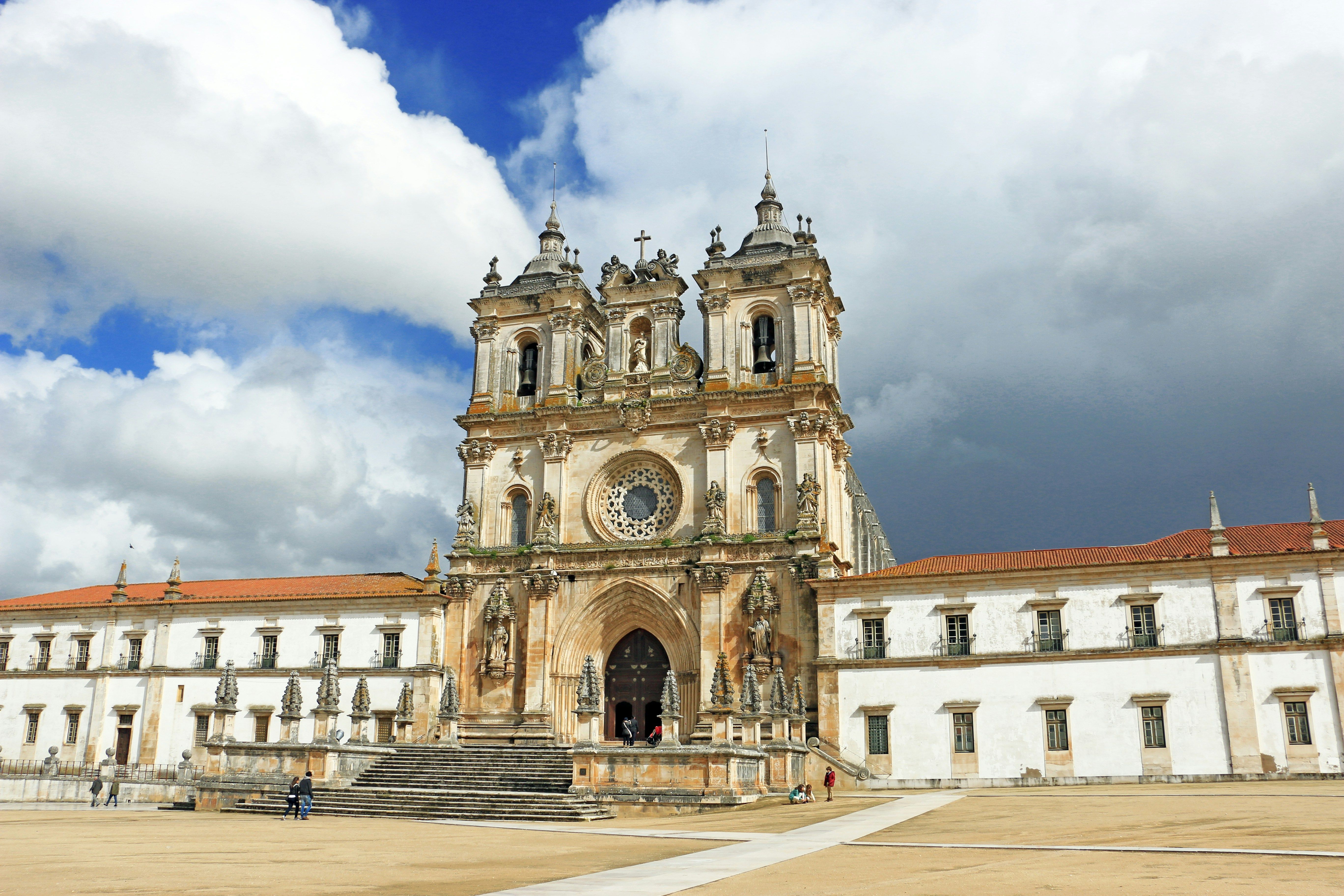
The Monastery of Alcobaça was founded in 1153 by Afonso Henriques, Portugal's first king, and has been a UNESCO World Heritage Site since 1989. Inside the Cistercian church are the carved tombs of King Pedro I and Inês de Castro, the subject of Portugal's most famous love story. Do not miss the kitchen, with its huge chimney and a stream channeled through it.
Parking: paid parking next to the monastery, and a free car park a short walk away.
Batalha
King João I built the Monastery of Batalha to give thanks for Portugal's victory over Castile at the Battle of Aljubarrota in 1385. Work went on for two centuries, and the result is one of the masterpieces of Portuguese Gothic, a UNESCO World Heritage Site since 1983. The Founder's Chapel holds the tombs of João I, Queen Philippa of Lancaster and their sons, including Henry the Navigator.
Parking: free and paid spaces around the monastery, a few minutes' walk from the entrance.
Fátima
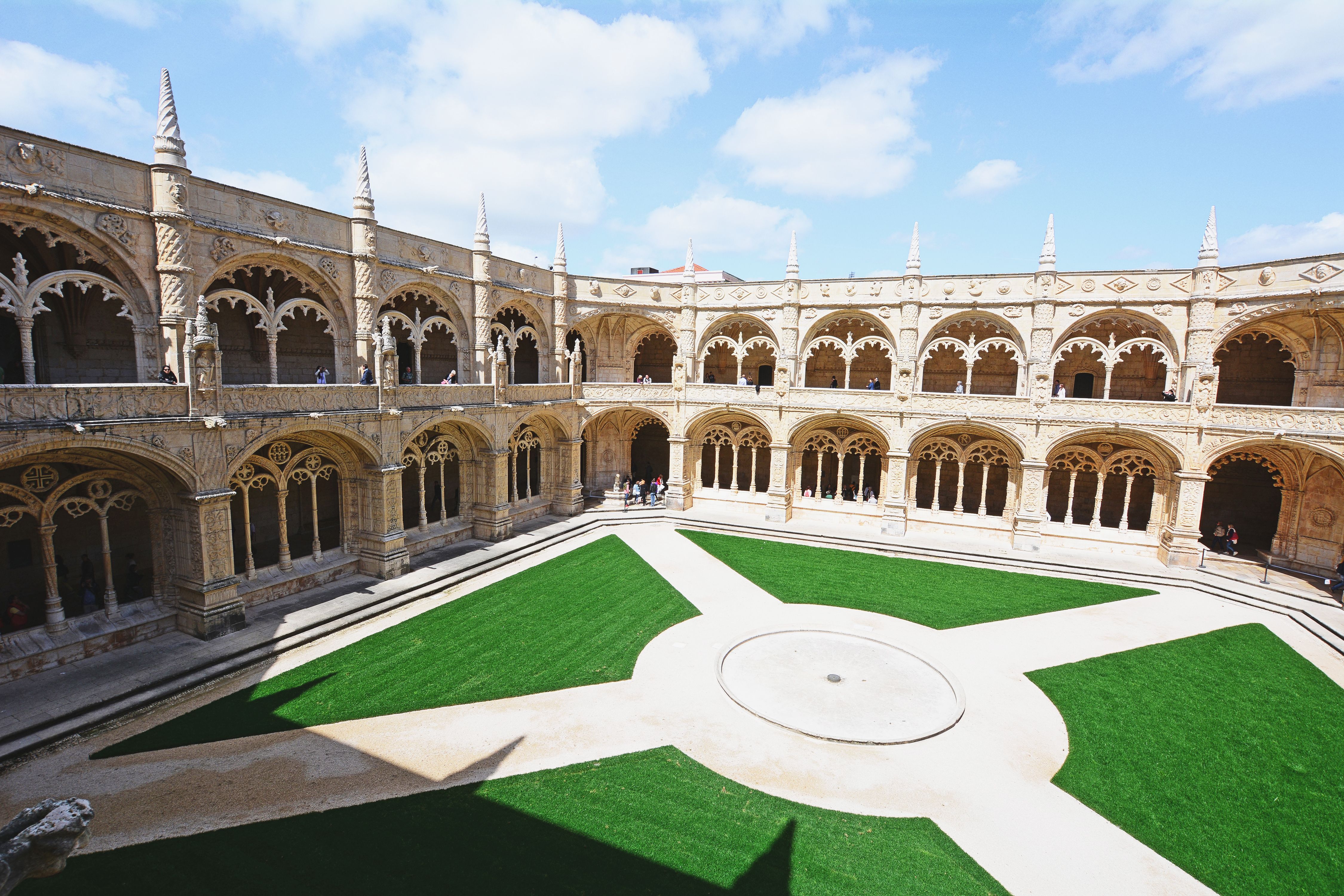
Fátima is one of the world's best-known Catholic sanctuaries, built where three shepherd children reported apparitions of the Virgin Mary in 1917. The site has two basilicas and the small Chapel of the Apparitions. The biggest pilgrimages take place on May 12 and 13 and October 12 and 13, when the town is very busy.
Parking: large free car parks surround the sanctuary, but they fill up on pilgrimage days.
Tomar
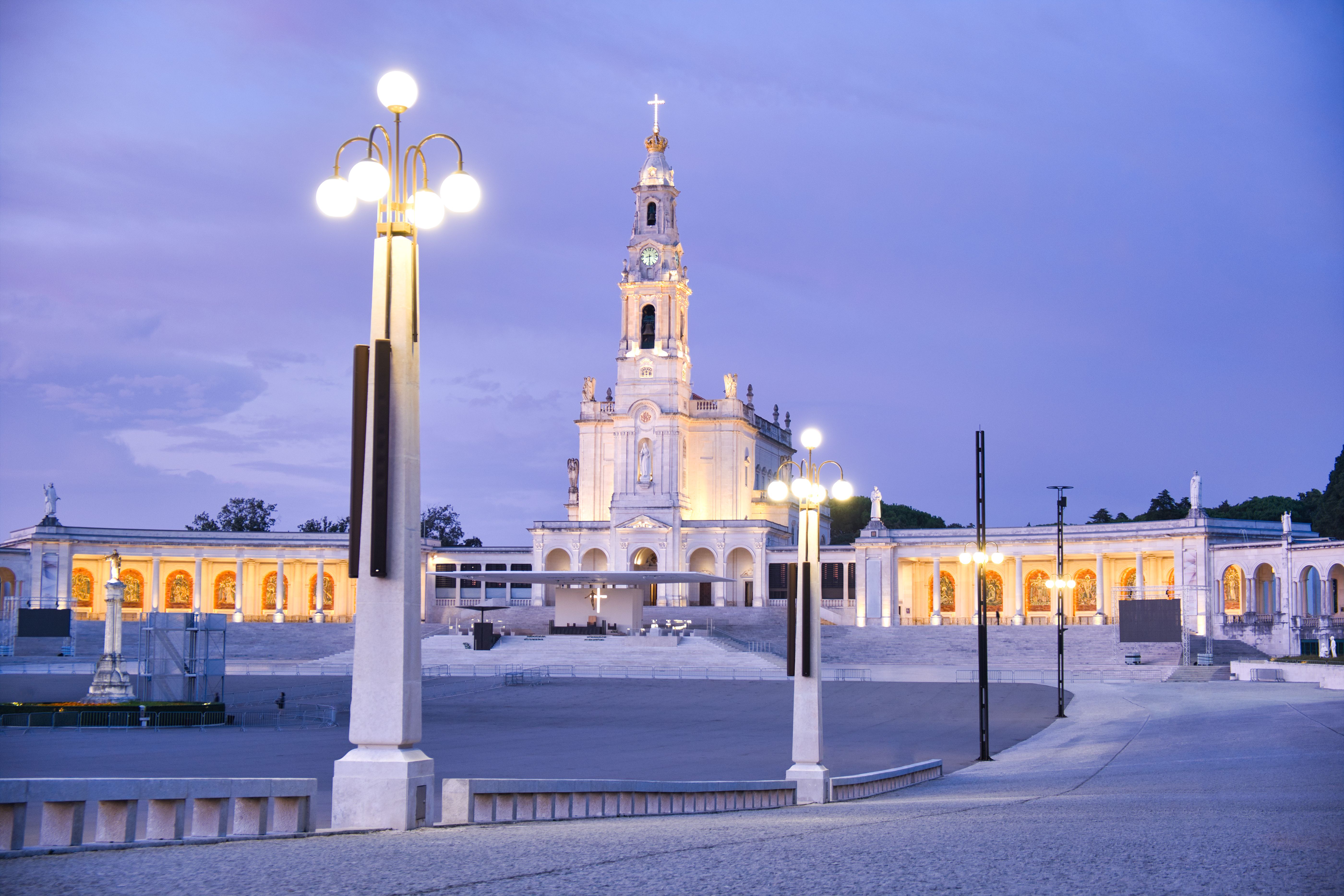
In 1160, Gualdim Pais, Grand Master of the Knights Templar, built the castle of Tomar. Inside it, the Convent of Christ grew around the Charola, the Templars' round church, and later became the seat of the Order of Christ. Look for the Chapter House window, the finest example of Manueline carving in Portugal. The Convent of Christ has been a UNESCO World Heritage Site since 1983. Parts of the castle have been closed for restoration, so check before you go.
Parking: two small car parks near the convent, or park in town and walk up the hill.
Coimbra
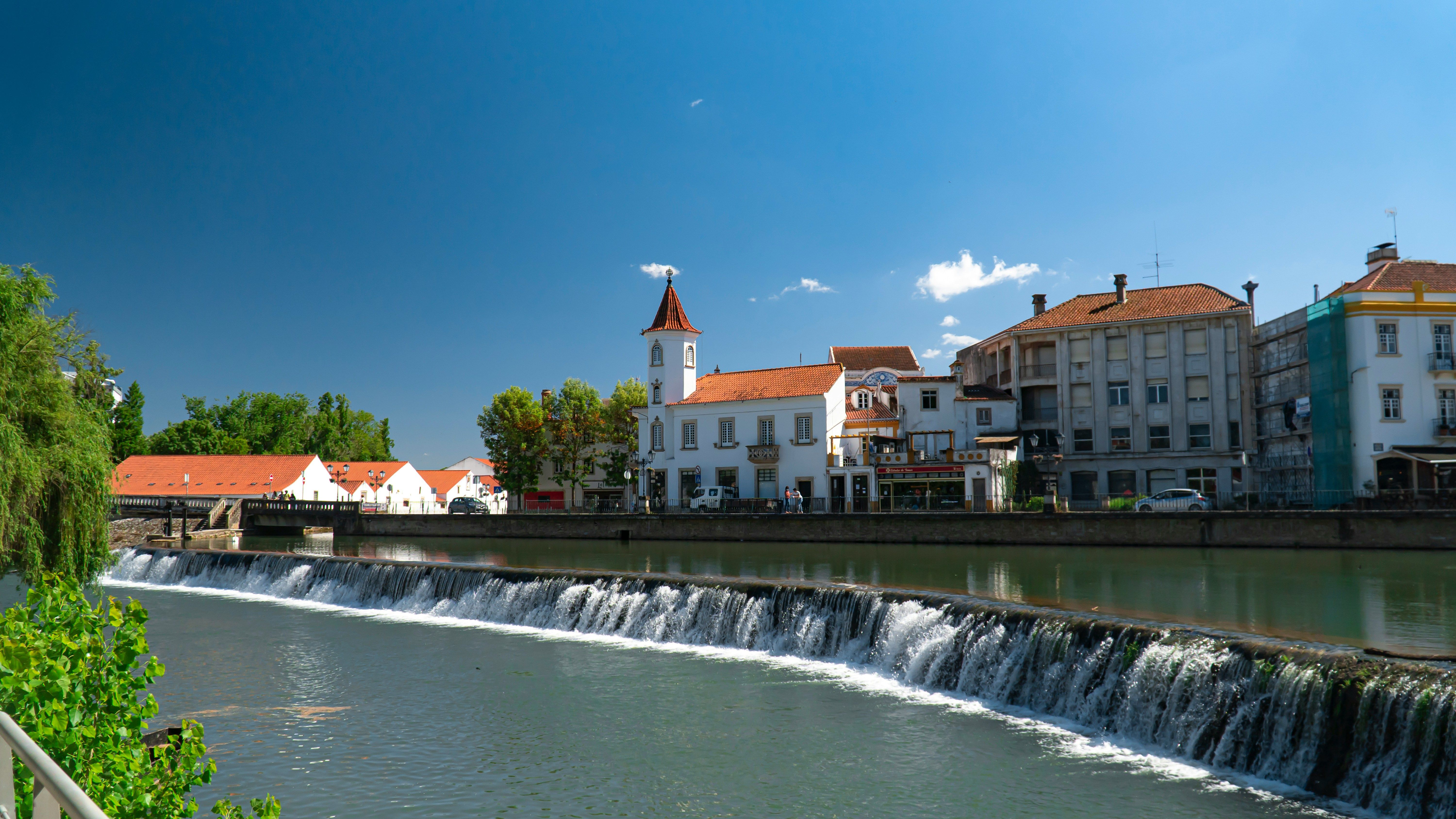
Coimbra is home to one of Europe's oldest universities, settled here for good in 1537. The University of Coimbra, Alta and Sofia, has been a UNESCO World Heritage Site since 2013, and its baroque Joanina Library is the highlight. Places in the library are limited, so get your ticket early in the day. Coimbra is a good place to spend the night, halfway between Lisbon and Porto.
Parking: park below the historic upper town and walk up, as the streets at the top are steep and narrow.
Aveiro and Costa Nova
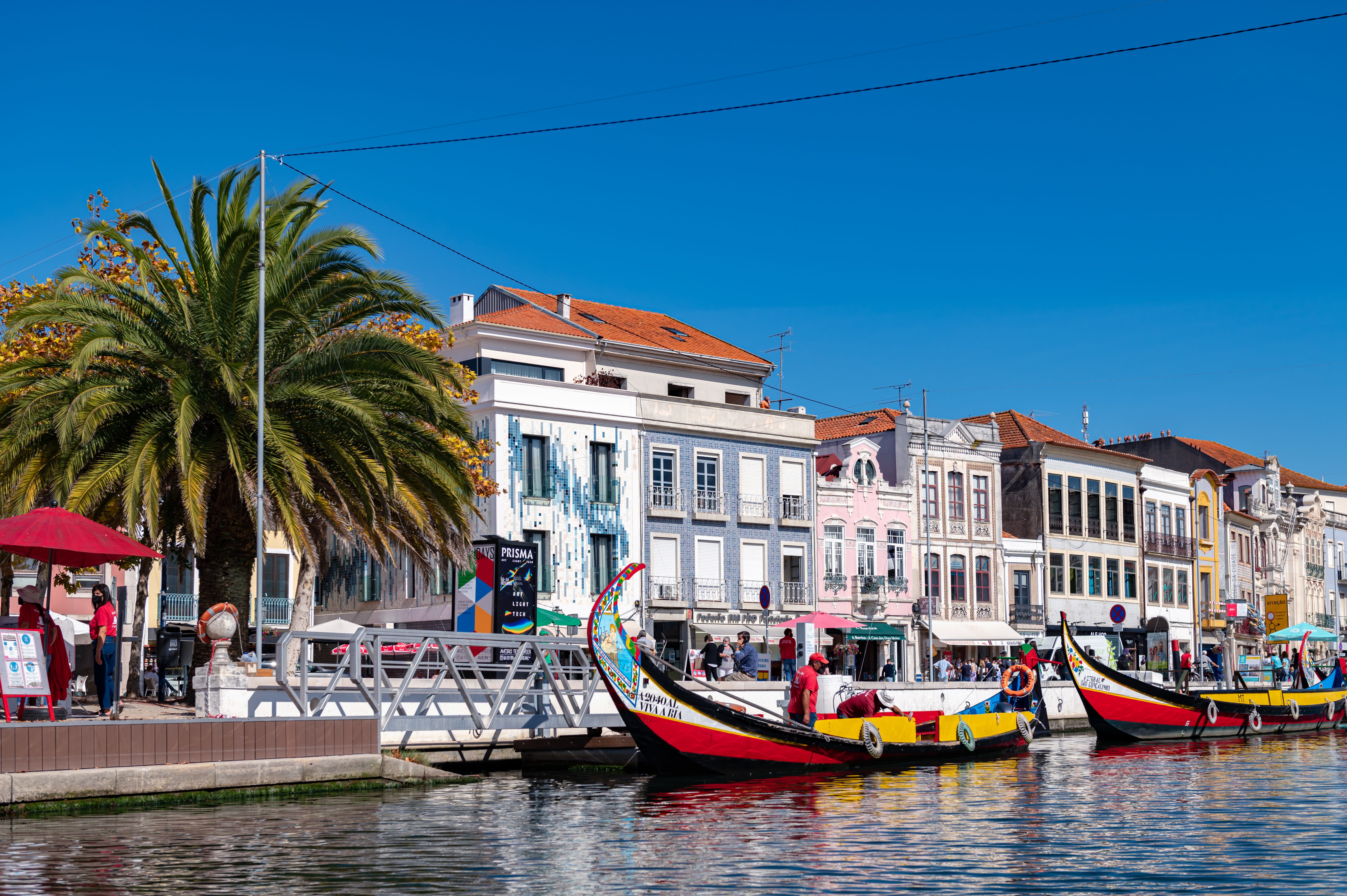
Aveiro is crossed by canals, where colorful moliceiro boats, once used to collect seaweed from the lagoon, now take visitors on short rides. Try ovos moles, the local egg-yolk sweet. A short drive away, Costa Nova is known for its striped wooden houses facing the beach.
Parking: use the underground car parks near the center, as street parking is limited, especially in summer.
Lisbon to Porto Road Trip Itineraries
2 Days: Coast and Coimbra
- Day 1: Lisbon to Óbidos, then Nazaré for lunch and the waves. Drive on to Coimbra for the night.
- Day 2: The university and the Joanina Library in the morning, then Aveiro and on to Porto.
3 Days: The Classic Route
- Day 1: Óbidos and Nazaré. Sleep in Nazaré.
- Day 2: Alcobaça, Batalha and Fátima or Tomar. Sleep in Coimbra.
- Day 3: Coimbra in the morning, Aveiro and Costa Nova in the afternoon, then Porto.
4 to 5 Days: Coast and Monasteries
- Day 1: Óbidos and Nazaré. Sleep in Nazaré.
- Day 2: Alcobaça and Batalha. Sleep in Tomar.
- Day 3: Tomar, then Coimbra for the evening.
- Day 4: Coimbra in the morning, then Aveiro and Costa Nova. Sleep in Aveiro or drive on to Porto.
- Day 5 (optional): Arrive in Porto, or add a day trip to the Douro Valley.
Porto to Lisbon? The route works the same way in reverse. Start with Aveiro and Coimbra and end with Óbidos, about an hour from Lisbon.
Driving Tips
- Tolls. The A1, the main motorway between Lisbon and Porto, and the A8 to Óbidos and Nazaré are toll roads. The A1 has toll booths where you can pay by card or cash, but stay out of the lanes marked Via Verde, which are for electronic transponders only. Some motorways in Portugal are electronic-only, so ask your rental company how tolls are charged before you leave.
- Pick up the car when you leave Lisbon. You do not need a car in Lisbon or Porto, where traffic, hills and parking make driving hard work.
- One-way rentals. Picking up in Lisbon and dropping off in Porto is common, but some companies charge a one-way fee, so check when you book.
- Parking. Use the car parks outside the historic centers. Old towns like Óbidos and Coimbra's upper town have narrow streets with little or no parking.
- Timing. Avoid Fátima on the big pilgrimage days in May and October, and Nazaré and Aveiro on summer weekends, unless you want the crowds.
Our Road Trip Packages
Our road trip packages include flights, hotels and a rental car, with the route planned for you.
Prefer not to drive? The train links Lisbon and Porto in about three hours, without the stops.