
Peneda-Gerês National Park Guide
Peneda-Gerês, Portugal's only national park: its zones, how many days to spend, easy walks, waterfalls, summer access rules and why you need a car.
November 26, 2026 • 6 min read
Peneda-Gerês National Park Guide
Peneda-Gerês at a Glance
What Is Peneda-Gerês?
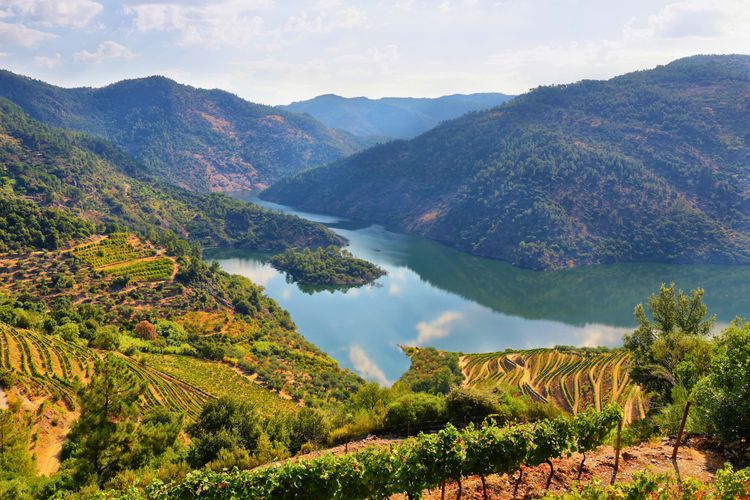
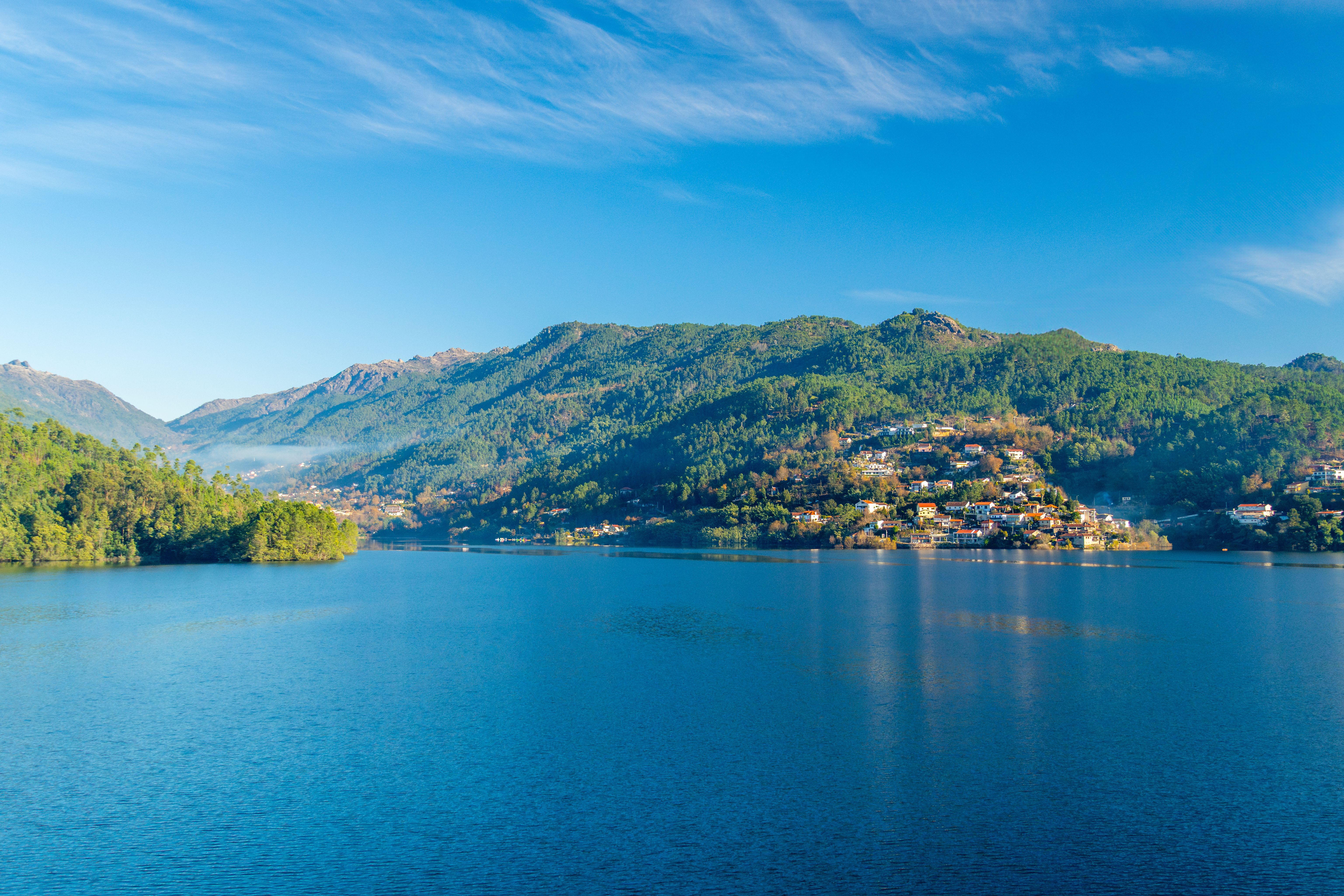
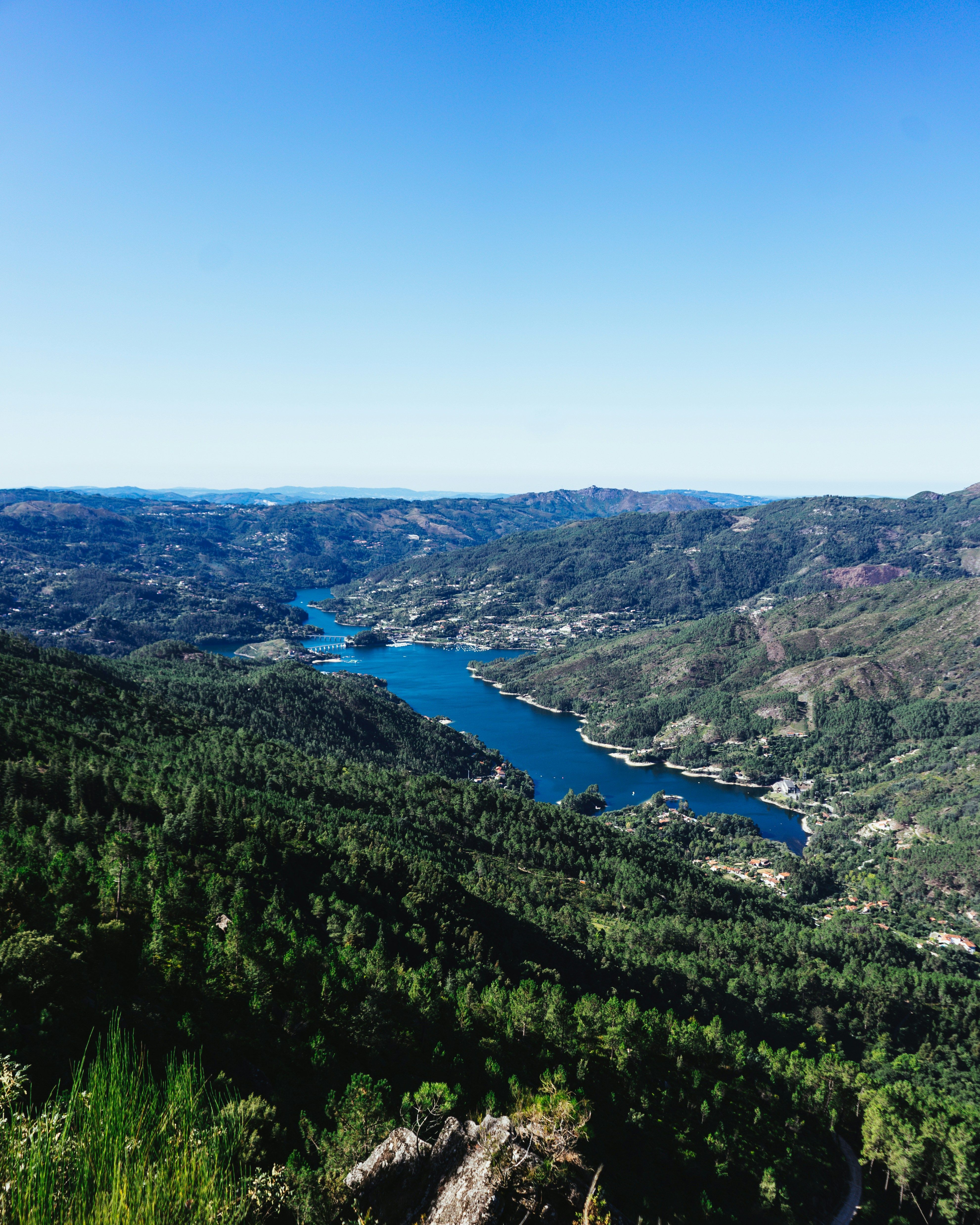
Created in 1971, Peneda-Gerês covers about 69,600 hectares of granite mountains, oak woods, reservoirs and stone villages along the Spanish border. It is the only area in Portugal with national park status, and since 2009 it forms part of the Gerês-Xurés cross-border biosphere reserve recognized by UNESCO, together with the Baixa Limia-Serra do Xurés park in Galicia. People still farm and graze cattle inside the park, so you drive through working villages as well as forest.
Which Zones Should You Visit?
The park is easier to plan if you think of it in zones.
- Gerês (south and center): the spa village of Caldas do Gerês, the Mata da Albergaria woods, the Roman road and most of the waterfalls. The best first base.
- Soajo and Lindoso (west): granite villages known for their stone granaries, the espigueiros, set on rock outcrops.
- Peneda (northwest): the sanctuary of Nossa Senhora da Peneda below a granite wall, and quiet mountain roads.
- Castro Laboreiro (north): high plateau, stone shelters and a castle ruin, the wildest part of the park.
- Pitões das Júnias (east, near Montalegre): a high village with a ruined monastery and a waterfall in a gorge.
How Many Days Do You Need?
One day from Porto gives you a taste of the Gerês zone: the waterfalls and the Roman road in Mata da Albergaria. Two days let you add Soajo and Lindoso. With three days you can reach Castro Laboreiro or Pitões das Júnias, which are a long drive on winding roads from the southern part of the park. Sleeping inside the park, in Caldas do Gerês or a rural guesthouse, saves you the return drive each evening.
What Are the Best Easy Walks?
Not every visit needs boots and a long trail. The Geira, a Roman road built around AD 79 to 80 to link Braga with Astorga in Spain, crosses the park, and long stretches survive along the Homem river in Mata da Albergaria, with Roman milestones still standing beside the path. Walking a section of it is mostly gentle, shaded and close to the road.
The waterfalls are another easy goal. The Arado falls can be seen from the Miradouro das Rocas viewpoint near Ermida, and the Tahiti falls, also called Fecha de Barjas, are on the same river. At Portela do Homem, near the border, you can no longer park at the falls; leave the car at the border car park and walk back. Paths near waterfalls are rocky and wet, so wear shoes with grip and keep away from wet rock edges.
Why Do You Need a Car?
The park's sights are spread across a large area, linked by narrow mountain roads, and public transport is limited to a few bus routes to the main villages. A car lets you stop at viewpoints, reach trailheads and change plans with the weather. Roads are paved but winding, so allow more time than the distance suggests and fill the tank before you go in.
In summer, access through Mata da Albergaria is controlled. In 2025, from 14 June to 14 September between 11:00 and 18:00, cars paid a small daily fee at control points at Portela do Homem, Bouça da Mó and Portela de Leonte, and the rule had run for three summers in a row. Check the current year's dates before you go, and arrive before 11:00 for quieter roads.
When Is the Best Time to Visit?
May, June, September and October bring green hills, running waterfalls and fewer visitors. July and August are warm and busy around the waterfalls and river beaches, and the traffic rules apply. Winter is quiet and often wet, and the high areas can see snow, which makes mountain roads slower. Rain is frequent in the northwest at any time of year, so pack a waterproof layer.
Who Is Peneda-Gerês For?
A good fit if:
- You enjoy nature, viewpoints and short walks more than beaches
- You are comfortable driving winding mountain roads, or you book a guided tour
- You can give the park two or three days
Maybe not if:
- You want to see it in a quick half day from Porto
- You do not drive and prefer to rely on public transport
- Rocky, uneven ground is difficult for you



